Train Travel Tips: 14 Ways to Ride Cheaper, Faster, and Smarter
Most people buy a train ticket the way they buy a plane ticket — at the last minute, from the first screen they see — and then wonder why rail felt slow, cramped, and expensive. It doesn’t have to. The gap between a mediocre train trip and a great one almost always comes down to a handful of decisions you make before you ever step onto the platform.
These train travel tips are the ones I wish someone had handed me before my first solo rail trip across Europe, and they hold up just as well on Amtrak’s Northeast Corridor, a VIA Rail run across Canada, or a Shinkansen sprint between Tokyo and Kyoto. None of them require insider access or a travel agent. They just require a little planning and a willingness to skip the obvious choice.
Book Early — and Learn Your Operator’s Booking Window
The single biggest lever on price is timing, but the rules change by country and operator. Understanding how far ahead tickets go on sale is the difference between a $29 seat and a $140 seat on the exact same train.
- Amtrak opens most bookings around 11 months out, and Northeast Corridor “Saver” fares sell out as travel dates approach. Booking a Boston-to-New York ticket three weeks out often costs two or three times the lowest published fare.
- SNCF and Trenitalia in France and Italy release cheap “prem’s” and “Super Economy” fares about 90 days out. Once those sell, prices climb steadily.
- Deutsche Bahn in Germany publishes “Sparpreis” (saver) fares from about six months out, as low as €17.90 for short hops.
- Japan Railways is the outlier: the Shinkansen rarely offers deep early-bird discounts. You’re mostly paying a fixed price unless you grab a regional tourist pass.
Set a calendar reminder the day the booking window opens for the route you care about most. Ten minutes of planning there routinely saves more than a hundred dollars on mid-distance journeys.
Pick the Right Rail Pass Instead of Guessing
Rail passes are either a fantastic deal or a total waste of money, and the difference usually comes down to one honest question: how many train days will you actually ride? A Eurail Global Pass looks cheap until you realize it’s priced for someone moving cities almost every day.
Do the math on paper first. Add up the point-to-point fares for your planned itinerary, then compare that total to the pass price plus any reservation fees. On popular high-speed routes in France, Spain, and Italy, pass holders still have to pay a seat reservation — often €10 to €35 per leg — which quickly eats into the savings. Read this breakdown of whether a Eurail pass is worth the cost before you commit.
Where passes really shine is in countries with generous flat-rate schemes. The Japan Rail Pass pays for itself on a single round trip between Tokyo and Kyoto, especially now that point-to-point Shinkansen fares have crept up. A Swiss Travel Pass or BritRail Pass can also beat buying tickets separately if you’re covering serious ground.
Compare Rail Against Your Other Options First
Before you hand over your credit card, you owe yourself a quick sanity check: is the train actually cheaper than flying, or are you choosing it for comfort and scenery? The honest answer varies wildly by route.
On short corridors — New York to Washington, Madrid to Barcelona, London to Paris — the train usually wins on door-to-door time once you factor in airport security and transfers. On longer hauls, the math flips. A $49 budget airline seat can undercut even a discounted overnight train if your dates are flexible. See this comparison of train versus plane costs and whether trains are reliably cheaper than flying for the full arithmetic. Deciding with real numbers beats a pleasant assumption every time.
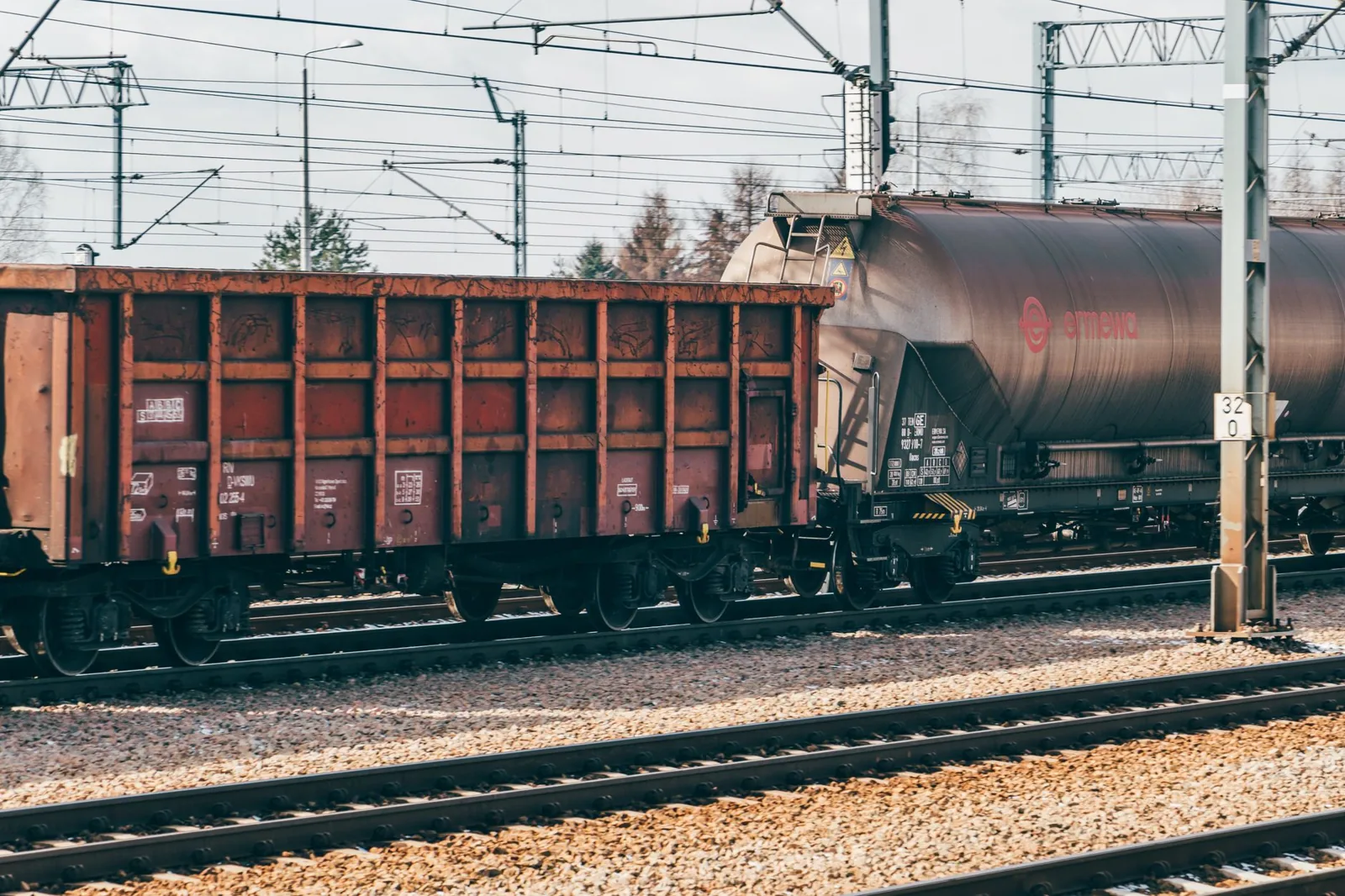
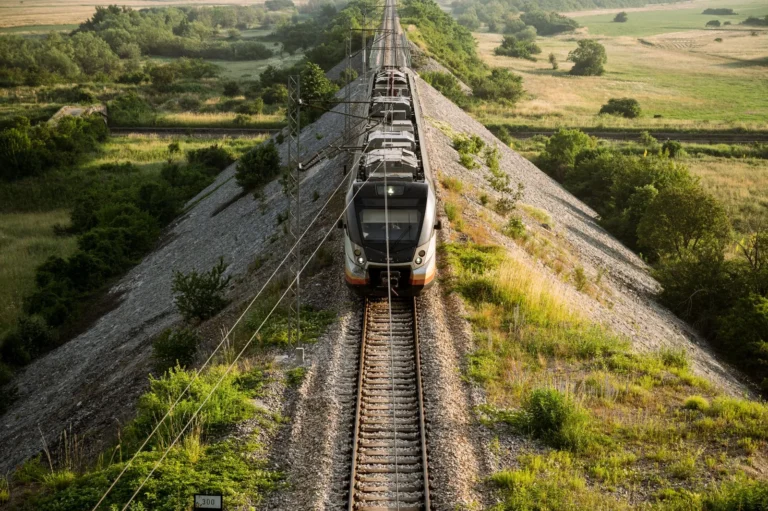
Photo by Jakub Pabis via Pexels
Split Tickets and Ride Off-Peak to Cut the Fare
Two of the least-known ways to shave a rail fare are ticket splitting and choosing your departure time strategically.
Split ticketing means buying two (or three) separate tickets for segments of one continuous journey. On British routes this is a legitimate, widely used trick — a London-to-Edinburgh journey can drop by 30% or more when broken into London–York and York–Edinburgh legs. You stay on the same seat and the same train; you just book e-tickets for two adjoining stretches. Amtrak’s demand-based pricing occasionally creates a similar opportunity on long state-supported routes.
Off-peak timing is simpler. Operators price weekday mid-morning and mid-afternoon departures below rush-hour and Friday-evening equivalents. If your schedule bends at all, sliding a trip from 5 p.m. to 1 p.m. on a Tuesday can knock 20 to 40 percent off the walk-up fare.
- Always check whether a “return” or round-trip ticket is cheaper than two one-ways; in several European countries it isn’t, so never assume.
- Book directly with the rail operator when you can. Third-party sites sometimes add fees, and operator sites give you better rebooking and refund terms.
- Watch for group fares (two-to-five travelers) that discount the whole reservation, not just the first passenger.
Pack Light and Keep the Essentials Close
Airline habits translate poorly to trains, where overhead racks are small, luggage areas near doors are shared, and many smaller stations have no porters or checked-baggage desks. Rule of thumb: if you can’t lift it over your head and carry it up a flight of stairs without help, it’s too heavy for a rail trip.
- One roller bag plus a daypack covers almost any multi-week itinerary, and it’s the difference between a relaxed platform change and a stressful sprint.
- Keep chargers, a power bank, snacks, and your passport in a bag small enough to keep beside you. Many European trains lack power outlets at every seat, and you don’t want to rummage through a suitcase mid-journey.
- Bring noise-canceling headphones. Trains are pleasant, but a 6 a.m. car full of school groups is not. They’re the single best comfort upgrade you can pack.
- A small reusable water bottle and a packaged meal spare you from paying $5 for a bottle and $14 for a microwaved sandwich when the dining car runs out.
Learn the Train Layout and Time Your Connections Honestly
Getting the seat right matters as much as getting the fare right, and it costs nothing. A minute spent glancing at a seat map before checkout changes the whole ride.
- Reserve a window seat in a quiet coach where operators offer one; Europe’s “silent zones” and Amtrak’s quiet car are consistently calmer.
- On Shinkansen, seat E on the Fuji side (Tokyo to Kyoto) and seat D or E for return legs offers Mount Fuji views; the operator never charges extra for the direction.
- Know the difference between seat reservations and just having a ticket on European high-speed trains. A Eurail pass without a reservation can leave you standing in the vestibule on a full TGV.
- Pad connection times in large stations. A 10-minute official connection might be technically doable and practically miserable in a station like Paris Gare du Nord, Frankfurt Hbf, or Chicago Union Station, where platforms are long and signage is dense. Give yourself 20 to 30 minutes if you’re changing trains with luggage.
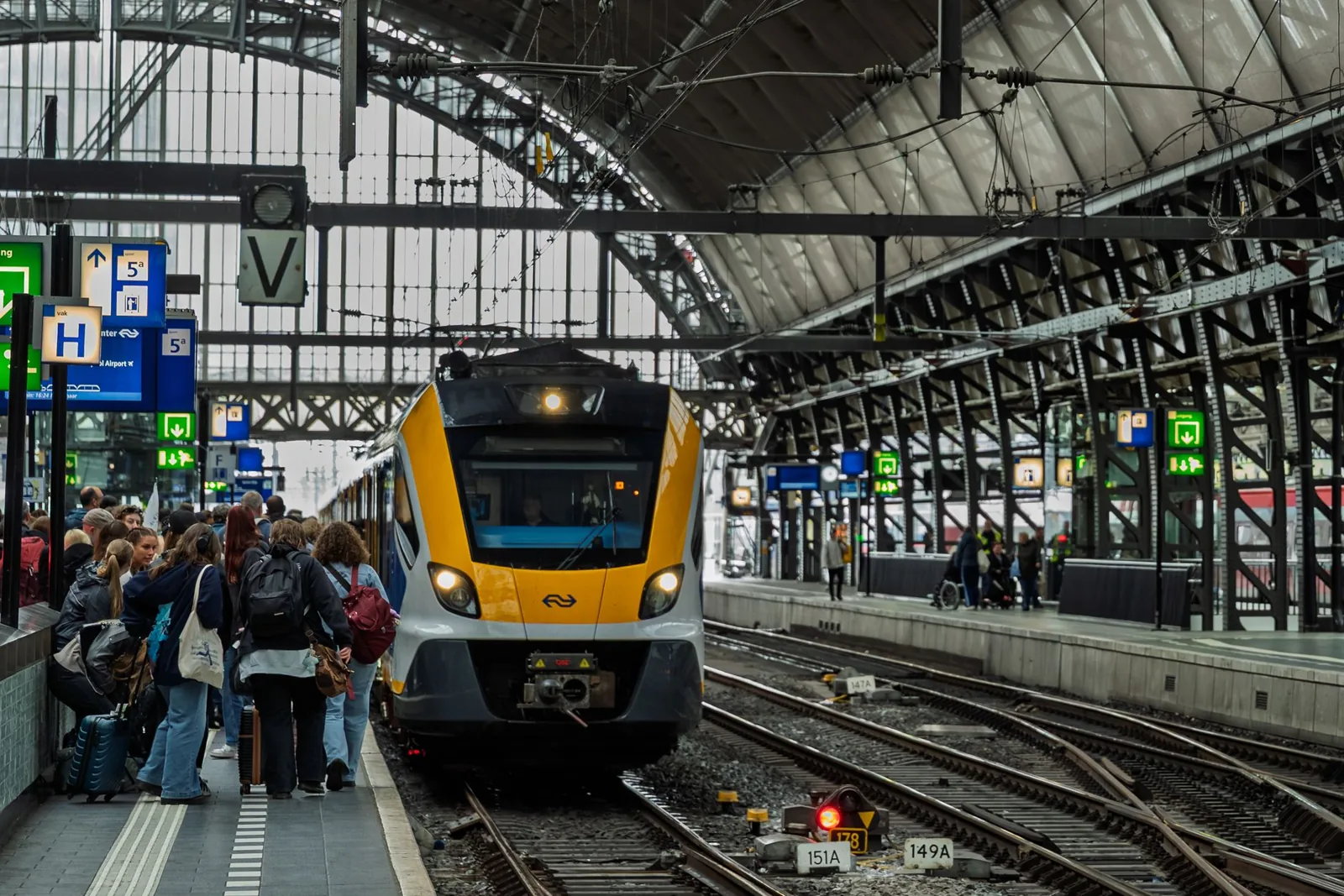
Photo by Martijn Stoof via Pexels
Don’t Overpay for Food, Wi-Fi, or Seat Upgrades
The add-ons are where rail operators quietly make their margin, and most of them are optional.
- Bring your own food for any trip over two hours. Onboard restaurants and trolleys are convenient but consistently overpriced, and the quality rarely justifies the markup.
- Buy station snacks before boarding, not from the cart. A sandwich from a station bakery next to the platform is usually fresher and cheaper than the reheated version sold onboard.
- Know when Wi-Fi is free and when it’s a paid trap. Many operators advertise Wi-Fi that barely functions over tunnels and rural stretches. Download maps, tickets, and offline media before you leave instead of paying an upgrade for unreliable service.
- Skip “priority” or “comfort” seats unless legroom genuinely matters to you. Standard class on most modern European and Japanese trains is more spacious than a domestic airline seat, and the upgrade fee rarely returns proportional value on trips under four hours.
If you’re planning a longer multi-country trip, this guide to traveling Europe by train walks through route planning, passes, and the reservation quirks country by country.
Frequently Asked Questions
How far in advance should I book train tickets to get the cheapest price?
For most Western European operators, 60 to 90 days ahead is the sweet spot, right when the deepest saver fares go live. Amtrak’s Northeast Corridor and long-distance routes are best booked as early as possible, since the lowest “Saver” and “Value” buckets sell out first. Japan’s Shinkansen is the exception — prices are largely fixed, so you’re buying availability, not a discount.
Is it cheaper to buy a rail pass or individual tickets?
It depends entirely on how many travel days you have. If you’re moving cities every day or two, a pass often wins. If you’re taking only three or four trains over two weeks, individual tickets are almost always cheaper — especially once you add pass reservation fees in France, Spain, and Italy. Total the point-to-point fares first, then decide.
Do I need to reserve a seat on every train?
No. Country and regional trains throughout Europe and North America are generally open seating with a valid ticket. But on high-speed and long-distance services — TGV, AVE, Frecciarossa, Eurostar, Shinkansen, and many night trains — a seat reservation is either recommended or mandatory. Always check before boarding, because boarding a reservation-only train without one can mean a fine or being asked to leave.
Is train travel safe for solo travelers at night?
Yes, and it’s widely considered one of the safest ways to travel solo. Keep essentials close, lock or chain your bag if you plan to sleep in a night-train couchette, and book a berth in a busy sleeping car rather than an empty one. For peace of mind, check trip advisories from Lonely Planet or your government’s travel site before a night leg.
Why are train tickets sometimes more expensive than flights?
Because rail has fewer seats, higher per-passenger infrastructure costs, and lower public subsidy in some countries, while budget airlines spread costs over more passengers and sell aggressively discounted base fares. On short routes the train usually still wins on total travel time; on long routes, flying is frequently cheaper. See how train prices stack up against flying for a concrete comparison.
The Bottom Line
Train travel rewards the person who plans just enough to avoid the obvious overpay, then relaxes into the ride. Book early where it matters, run the pass-versus-tickets math honestly, split tickets and ride off-peak when you can, and keep your bag light and your essentials within arm’s reach. None of this is complicated, but together it routinely saves a hundred dollars or more per trip while making the journey genuinely more comfortable.
Start with the biggest lever — your booking window — and compare your route’s numbers against flying before you commit. If you want the full cost picture, work through whether the train or the plane comes out ahead for your specific route. Then buy the ticket, keep your charger close, and enjoy the part of travel you can actually see.