Sleeper Train Cost: What You’ll Actually Pay for a Night on the Rails
A night on a sleeper train replaces a hotel room and a day of travel with one moving bed, and the sleeper train cost usually lands somewhere between “hostel cheap” and “nice hotel expensive.” On the low end, a couchette bunk on a European night train can run as little as $40 to $60. On the high end, a private Amtrak bedroom on a long-haul route can top $1,000 for a single night.
What you pay depends almost entirely on three things: the carrier, how far in advance you book, and whether you are willing to share a compartment with strangers. This guide breaks down real prices across the best-known sleeper routes in North America, Europe, and Japan so you know what to budget before you click “book.”
How Much Does a Sleeper Train Cost?
There is no single number, because sleeping arrangements vary from a reclining seat to a private cabin with your own shower. As a rough rule, expect these ranges in 2024:
- Reclining seat / “flat” pod — $20–$70 (e.g., Amtrak coach on night routes, Japanese nobi nobi seats).
- Bunk in a shared couchette — $40–$90 per person, four to six people per compartment.
- Berth in a sleeper cabin — $80–$180, typically a two- to four-person room with linens.
- Private room or deluxe cabin — $200–$1,000+, sometimes with en-suite toilet and shower.
A good benchmark: on most routes a comfortable sleeping berth costs about the same as a mid-range hotel room, with the bonus that you wake up somewhere new instead of paying extra for a day of transit on top of the room.
What Drives the Price Up or Down
Five factors move the needle more than anything else.
Class of accommodation. A couchette bunk costs roughly a third of a private cabin. On Austria’s Nightjet, the difference between a bunk in a six-berth couchette and a single sleeper cabin can be well over $100 on the same train.
Booking window. Sleeper compartments sell out fast and get pricier closer to departure. Amtrak roomettes on popular routes like Chicago–Seattle (“Empire Builder”) can jump by 50% or more between booking two months out and booking a week out.
Route length and demand. A Vienna–Venice Nightjet is cheaper per night than the longer Paris–Berlin or the in-demand Hamburg–Vienna runs. Railroads price sleepers like hotels: same bed, different city, different rate.
Season and day of week. Summer, holidays, and Friday/Sunday nights command premiums. A Caledonian Sleeper room in July costs more than the same room on a Tuesday in February.
Pass vs. cash fare. If you hold a rail pass, you still pay a reservation surcharge for a couchette or sleeper, but not for a plain seat. The Eurail pass removes the base fare and leaves you covering only the supplement — sometimes the cheapest way to upgrade to a bed.
Sleeper Train Cost by Carrier and Route
| Factor | Amtrak Roomette | ÖBB Nightjet Couchette | Caledonian Sleeper |
|---|---|---|---|
| Typical cost per night | $300–$700 (meals included) | $45–$90 per person | £45–£250 ($55–$315) |
| Private vs. shared | Private, 2 people | Shared, 4–6 people | Both options |
| Meals included | Yes | Sometimes (breakfast) | Breakfast in Club rooms |
| Good for | Long US routes | Budget Europe hops | London–Scotland |
Amtrak sleeper rooms, United States
Amtrak runs overnight long-distance trains across the country — the Coast Starlight, Empire Builder, California Zephyr, and Silver Meteor among them. A roomette (two facing seats that convert to bunks, shared toilet and shower down the hall) is the entry-level sleeper and often runs $300–$600 per night, with a bedroom suite hitting $500–$1,000+. That price includes all meals in the dining car and, unlike coach tickets, you get real sleeping space. Book roomettes early — they are the first inventory to sell out.
Nightjet and European night trains
ÖBB’s Nightjet network and its private competitors (European Sleeper, the revived Paris–Berlin and Paris–Nice routes) are the budget sweet spot. A couchette bunk runs about €35–€60, a sleeper cabin berth €60–€120, and a deluxe single with private shower €130–€200. Prices tick up for weekend departures and around the Christmas market season. If you already travel by train in Europe, your Eurail pass knocks the base fare to zero and leaves just the bed supplement to pay.
Caledonian Sleeper, United Kingdom
London to Edinburgh, Glasgow, Inverdeen, or Fort William overnight. A reclining seat starts near £45, a bunk in a shared room around £120–£175, and a private Club room (double bed, en suite, breakfast) from £245. It is not the cheap option, but it collapses a full travel day into one night and drops you in the Highlands by morning.
Sunrise Seto and Sunrise Izumo, Japan
Japan’s two remaining night trains run Tokyo to the western island of Shikoku and the Izumo region. The famous “nobi nobi” flat carpet pod costs little more than a reserved seat with a Japan Rail Pass, while private singles run roughly ¥9,000–¥17,000 per person. These are among the most sought-after reservations in Japanese rail — book the moment sales open.
How to Pay Less for a Sleeper Berth
Sleeper prices reward travelers who plan ahead and stay flexible.
- Book at the earliest release date. Amtrak opens inventory 11 months out; the cheapest roomettes go first.
- Travel midweek and off-season. A Tuesday night cabin routinely undercuts the same room on a Friday by 20–40%.
- Compare a rail pass + supplement. On multi-leg European trips, a pass plus couchette reservation can beat buying a sleeper straight cash fare.
- Watch for saver fares. Nightjet advertises “Sparschiene” (saver) tickets, and Alvia/SBB equivalents pop up on quieter routes.
- Split the difference with a shared cabin. Accepting strangers in a four-berth compartment is the single biggest price cut available.
Photo by dharamveer via Pexels
Is a Sleeper Train Worth the Money?
Run the numbers against a flight and a hotel. A $500 Amtrak roomette sounds steep until you price a $180 flight plus a $150 airport hotel plus the extra day of travel, and realize the train also feeds you dinner and breakfast. On a London–Edinburgh route, the Caledonian Sleeper replaces an evening hotel in one city or an early-morning flight out of the other. For pairs traveling together, a private room’s per-person cost drops sharply, which is when sleepers start to genuinely beat the flight-plus-hotel math.
The tradeoff is comfort and time. A couchette with five strangers is not a great night’s sleep, and a delayed sleeper can swallow the morning you intended to use. But if you treat the journey as part of the trip, you are paying for both transport and lodging in one fare — and waking up already at your destination.
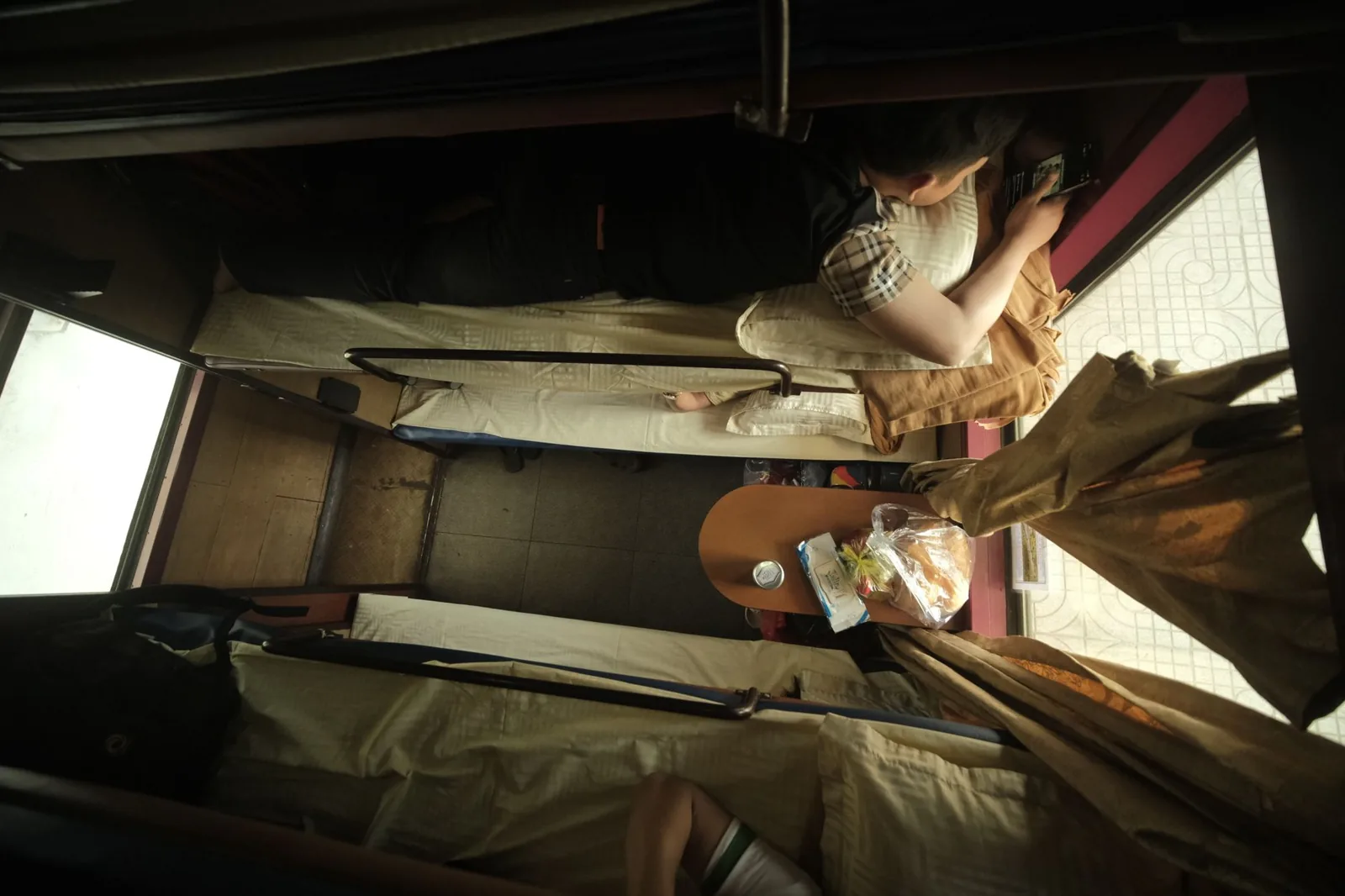
Photo by Pew Nguyen via Pexels
Frequently Asked Questions
How much does a sleeper train cost on average?
Budget about $50–$120 per person for a shared berth or couchette and $250–$700 for a private room, depending on the route and how early you book.
Is a sleeper train cheaper than flying plus a hotel?
Often yes for two people sharing a cabin, and yes for solo travelers when a flight would force an extra hotel night. On short hops, a cheap flight plus hostel still wins for absolute frugality.
Do rail passes include sleeper train accommodation?
No. Passes cover the base fare; couchettes and sleepers still carry a per-person reservation supplement. See our Eurail pass pricing guide for specifics.
When should I book to get the lowest sleeper train cost?
As soon as tickets go on sale — typically 6 to 11 months ahead for Amtrak and most European operators. Prices climb steadily from there.
Can I get a sleeper compartment to myself?
Yes, on most carriers, by booking all berths in a compartment or choosing a single room. Expect to pay roughly double the shared-per-person rate.
Pack as you would for a short flight but lean into comfort: a small blanket or travel sheet, earplugs, an eye mask, slip-on shoes for the middle of the night, and a toothbrush that does not need the shared sink queue in the morning. Most sleepers come with a sheet, pillow, and a bottle of water, but little else, so the odds and ends you bring — a phone charger and a travel pillow — are what separate a good night from a forgettable one.
The Bottom Line
Sleeper train cost spans a wide band — from a $45 couchette bunk on Nightjet to a $700 Amtrak roomette or a $1,000+ deluxe cabin — and the fair way to judge any of them is against what a hotel and a day of travel would cost separately. Book early, travel midweek, and consider a rail pass if you are stringing together several European legs, and a night on the rails becomes one of the better value moves in travel. For more on balancing trains against other ways of getting there, start with our look at how train fares stack up against flights and what Amtrak actually charges across its network. Rick Steves’ night train guide and Lonely Planet’s rail breakdown are solid further reading before you book your first night on the rails.