Japan Rail Pass Cost: 2026 Prices, What’s Included, and Is It Worth It?
The Japan Rail Pass cost is one of the first things travelers look up before booking a trip to Japan, and for good reason: at current prices, it is one of the most expensive single purchases in a Japan itinerary. The nationwide pass now runs about ¥50,000 for the cheapest 7-day option, or roughly $330 to $340 at recent exchange rates.
That is a big jump from the pre-October-2023 days, when a 7-day ordinary pass cost ¥29,650. The price hike changed the math for a lot of trips, and the answer to “is it worth it” is now genuinely case-by-case. Here is the honest breakdown of what you actually pay, what you get, and how to decide before you hand over the money.
Japan Rail Pass Cost at a Glance
Since the October 2023 restructure, the nationwide Japan Rail Pass is sold in two classes — Ordinary (standard reserved/unreserved seats) and Green (first class) — across three durations. All prices are the current adult rates, tax included.
| Pass Type | 7 Days | 14 Days | 21 Days |
|---|---|---|---|
| Ordinary (Adult) | ¥50,000 (~$330) | ¥80,000 (~$530) | ¥100,000 (~$655) |
| Green Car (Adult) | ¥70,000 (~$460) | ¥110,000 (~$725) | ¥140,000 (~$925) |
| Ordinary (Child 6–11) | ¥25,000 | ¥40,000 | ¥50,000 |
| Green Car (Child 6–11) | ¥35,000 | ¥55,000 | ¥70,000 |
Children under 6 ride free when they do not occupy their own seat. The dollar figures shift with the yen, so check the rate on the day you buy rather than locking in an old conversion.
The key number to keep in mind: the 7-day pass at ¥50,000 is the baseline. Every longer option is just the 7-day rate scaled nearly linearly — the value proposition does not change much with duration, so your decision is less “which length” and more “should I buy at all.”
What the Japan Rail Pass Actually Covers
A lot of travelers buy the pass assuming it covers everything with a track. It does not. Understanding this before you spend will tell you whether the rail pass cost is a deal or a trap.
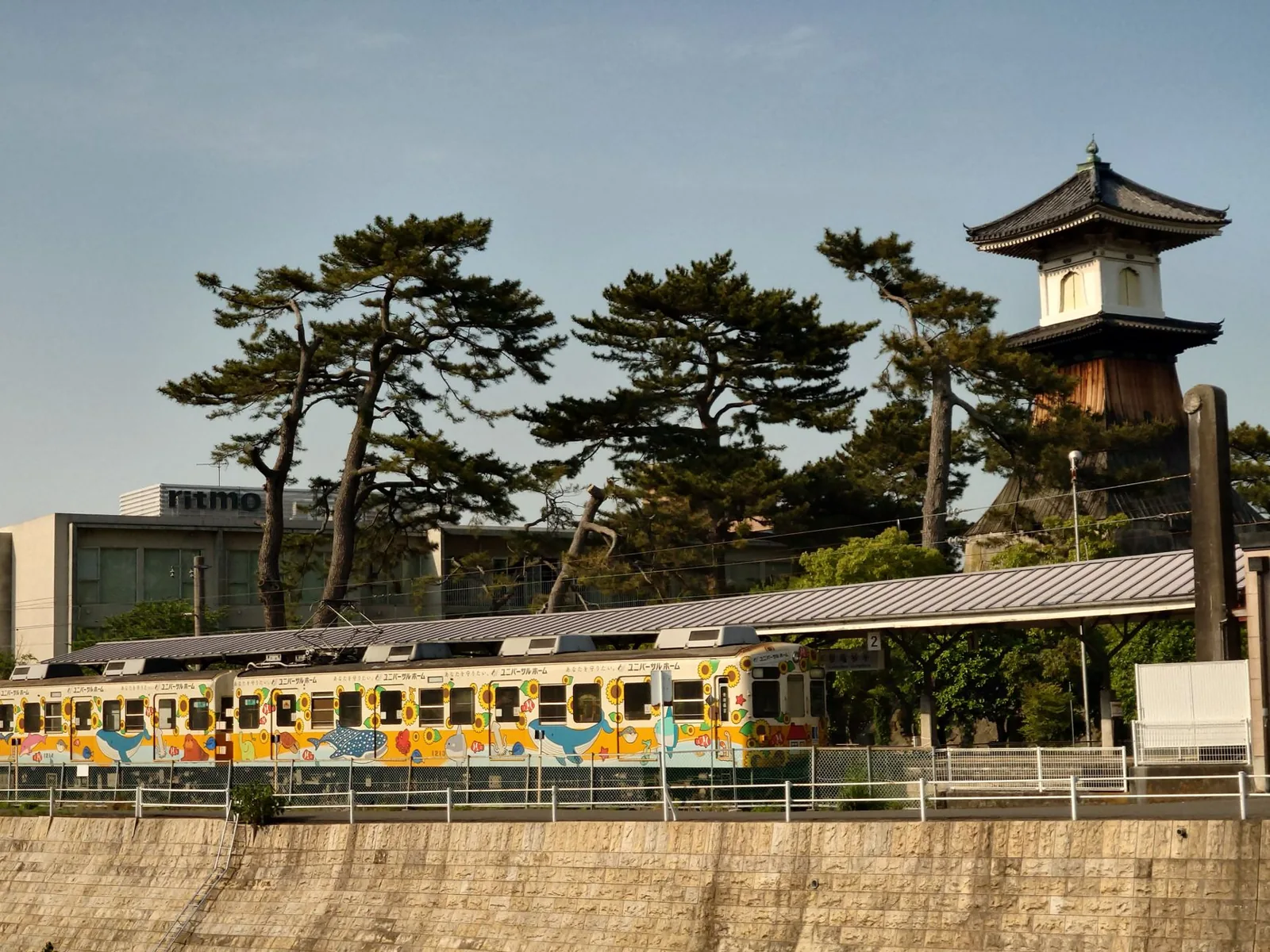
Photo by Yi Li via Pexels
The pass covers:
- All JR Group trains nationwide, including most Shinkansen (bullet train) lines
- Shinkansen travel on the Tokaido, Sanyo, Kyushu, Hokuriku, Tohoku, Yamagata, Akita, Joetsu, and Hokkaido lines
- JR local, rapid, and limited express trains
- The Narita Express and Haruka airport expresses
- JR-run buses and the JR Miyajima ferry
It does not cover the Nozomi and Mizuho trains — the fastest services on the busy Tokaido and Sanyo Shinkansen routes. Pass holders ride the slightly slower Hikari and Sakura trains instead, which add roughly 15 to 30 minutes between major cities. It also excludes private rail operators, most city subways and buses (Tokyo Metro, Kyoto buses, etc.), and seat reservations on some branded tourist trains.
Japan Rail Pass Cost vs. Buying Individual Tickets
The only way to know if the pass pays for itself is to price out your actual route. Here is what a classic Tokyo–Kyoto–Osaka round trip would cost in individual reserved ordinary tickets, versus a 7-day pass.
| Factor | 7-Day Ordinary Pass | Individual Tickets |
|---|---|---|
| Tokyo to Kyoto (one way) | Included | ¥14,170 |
| Kyoto to Osaka (one way) | Included | ¥1,560 |
| Osaka back to Tokyo (one way) | Included | ¥14,630 |
| Approximate total | ¥50,000 | ~¥30,360 |
| Extra flexibility (day trips) | Unlimited within 7 days | Each ride costs extra |
That short corridor — the single most common first-timer route — does not come close to covering ¥50,000. That is the uncomfortable truth most travel blogs skip. Where the pass wins is volume: once you stack on day trips to Hiroshima, Himeji, Nikko, or Kanazawa, the individual fares climb past ¥50,000 quickly.
A good rule of thumb: a 7-day pass needs roughly two long-distance Shinkansen round trips plus a couple of short excursions to break even. If your plan is “Tokyo, Kyoto, Osaka, done,” you will almost certainly save money buying tickets separately.
When the Rail Pass Is Worth the Money
The pass shines in specific scenarios. If your itinerary looks like any of these, the math tilts in your favor:
- The golden triangle plus more. Tokyo–Kyoto–Osaka as a base, then push west to Hiroshima and Miyajima, or south to Himeji Castle, within a single 7-day window.
- The full sweep. Tokyo to Osaka to Hiroshima to Fukuoka, or the northbound route up to Sapporo — multi-city trips where individual Shinkansen fares would hit ¥70,000 to ¥100,000.
- Open-jaw convenience. Arrive in Tokyo and fly out of Osaka or Fukuoka, riding the rails the whole way between them without backtracking.
- You value zero-friction travel. Reservations on included trains are free, and you can walk up and hop on unreserved cars without buying another ticket.
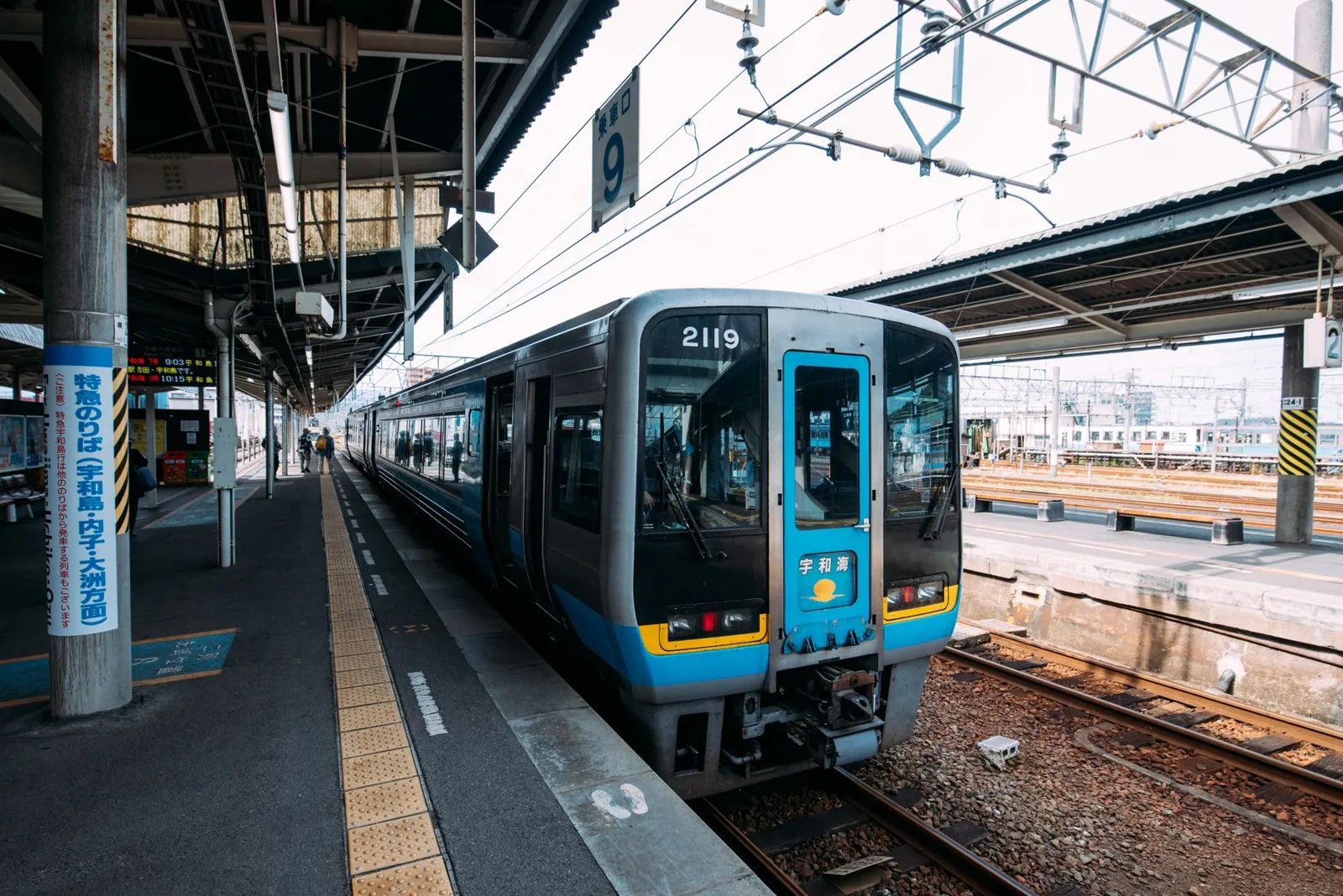
Photo by Gije Cho via Pexels
If you are only doing one regional hop — say Tokyo and back with a single day trip — or you are staying within a single city, the pass is a waste. Regional passes (like the JR Kansai or JR Tokyo Wide passes, which run ¥12,000 to ¥25,000) will be cheaper. For a broader comparison of trains versus flying across a country, see our piece on train vs. plane cost.
How to Buy and Activate Your Pass
The mechanics changed along with the price. Here is the current process:
- Choose your channel. You can buy online through the official site, via authorized overseas agents, or at certain stations inside Japan (in-country purchase costs a bit more).
- Get the vouchers or e-voucher. Online purchasers can reserve seats ahead of time through the official site login before they even land.
- Exchange and activate. Exchange the voucher for the actual pass at a staffed JR office, then pick your start date. The start date does not have to be the exchange date — you can activate it to begin a few days later.
- Flash the pass, don’t feed the gate. Show the pass at the staffed gate or insert it into an automatic gate; seat reservations print separately.
Two practical notes: the pass must be used on consecutive calendar days, so plan your long-distance rides to cluster within the window. And keep your passport handy — the pass is only valid for foreign visitors on a temporary “temporary visitor” entry status.
If you are comparing long-distance rail options elsewhere in the world, the Eurail Pass cost works on a similar concept but with very different pricing rules — worth a read before assuming every rail pass behaves the same way.
Frequently Asked Questions
Is the Japan Rail Pass worth it after the 2023 price increase?
Only for high-volume itineraries. If you take two or more long Shinkansen round trips plus day trips within a single week, yes. For a simple Tokyo–Kyoto–Osaka loop, individual tickets are usually cheaper — often by ¥20,000 or more.
How much is a 7-day Japan Rail Pass in 2026?
The 7-day nationwide ordinary pass is ¥50,000 per adult, or roughly $330 to $340 depending on the exchange rate. Children aged 6 to 11 pay half that.
Does the Japan Rail Pass cover the Nozomi bullet train?
No. The Nozomi and Mizuho services — the fastest on the Tokaido and Sanyo Shinkansen — are excluded. Pass holders ride the Hikari and Sakura trains on those routes, which stop slightly more often.
Can I buy the Japan Rail Pass inside Japan?
Yes, but it now costs more than the overseas online price, and you still need temporary-visitor status. Buying online before departure is the cheaper and smoother route.
Does the Japan Rail Pass cover Tokyo subways?
No. The pass covers JR Group rail lines, which include the JR Yamanote and Chuo lines circling central Tokyo, but not the private Tokyo Metro, Toei, or most city bus networks.
One more wrinkle worth knowing: the pass must be exchanged for the actual ticket inside Japan, at designated JR offices in major stations and airports, so budget a little time at the station on day one. Regional passes such as the JR East or Kansai-area variants are often a better value than the nationwide pass if you are sticking to one island, and they are worth checking against the same per-trip arithmetic before you buy the bigger, pricier option.
The Bottom Line
The Japan Rail Pass cost is no longer the automatic no-brainer it was a decade ago, but it is also not a rip-off — it is a tool that fits a specific kind of trip. For a fast, ambitious multi-city route that would rack up ¥70,000 or more in individual fares, the pass is still one of the best deals in rail travel. For a relaxed, two-city itinerary, buying tickets as you go will keep more yen in your pocket.
Before you commit, price out the exact trains you plan to take using a fare calculator such as the route tools on Lonely Planet’s Japan transport guide or Rick Steves’ rail-pass advice. Run the numbers against ¥50,000 — and if flying between regions looks more appealing, whether the train is cheaper than flying is its own separate equation worth checking.
A little arithmetic up front is the difference between a travel “bargain” and a ¥50,000 souvenir. Do the math, then buy with confidence.