Amtrak Ticket Prices: What Train Travel Actually Costs in 2024
Amtrak ticket prices run the full spectrum, from a $29 flash-sale seat on the Northeast Corridor to a $1,000-plus bedroom on a cross-country sleeper. Most riders land somewhere in the middle: a one-way coach seat between the big Northeast cities costs roughly $60 to $130 when you book ahead, while a long-distance trip across the country typically runs $150 to $300 in coach, before you add food, a room, or a better seat.
There is no single “Amtrak price.” What you pay depends on the route, how far out you book, the fare class you pick, and whether you want a seat or a bed. The good news is that Amtrak’s pricing is more predictable than airfare once you know how it’s built, and the discounts are easy to stack if you know where to look.
This guide breaks down real amtrak ticket prices by route and class so you can budget a trip before you buy, and it explains how to pay less than the headline number on almost every ticket.
How Amtrak Prices a Ticket
Amtrak does not charge a flat rate per mile. Fares are managed per train and per segment, which means two seats on the same train can cost wildly different amounts depending on when they were sold. The same seat that goes for $54 on a Tuesday morning in April can hit $140 for a Friday-evening departure the week before.
There are three things that move your price more than anything else:
- When you book. Fares rise as the travel date approaches. Amtrak publishes a fare calendar for every trip, so you can see the cheap days at a glance.
- The train itself. The high-speed Acela is almost always more expensive than a Northeast Regional running the same corridor.
- The service class. Coach is the baseline. Business class, First class, Roomettes, and Bedrooms add cost in layers.
Amtrak sells four fare levels within coach on most routes. Saver fares are the cheapest but the least flexible — changes carry a fee and refunds are limited. Value fares are a step up, refundable with a fee, and still reasonably priced. Flexible fares let you change or cancel more freely. Business fares add a reserved seat in a quieter car.
Amtrak Ticket Prices by Route
The route is the single biggest driver of what you pay. Here is what one-way coach fares actually look like on the routes travelers ask about most, assuming you book a few weeks to a couple of months out.
| Route | Coach (advance) | Coach (last-minute) | Business / Acela | Sleeper (Roomette) |
|---|---|---|---|---|
| New York to Washington, DC (Northeast Regional) | $54–$90 | $110–$160 | $150–$250 (Acela) | N/A |
| New York to Boston (Northeast Regional) | $60–$100 | $120–$170 | $140–$220 (Acela) | N/A |
| Chicago to Emeryville (California Zephyr) | $150–$250 | $280–$380 | N/A | $700–$1,200 |
| Los Angeles to Seattle (Coast Starlight) | $110–$180 | $200–$300 | N/A | $500–$900 |
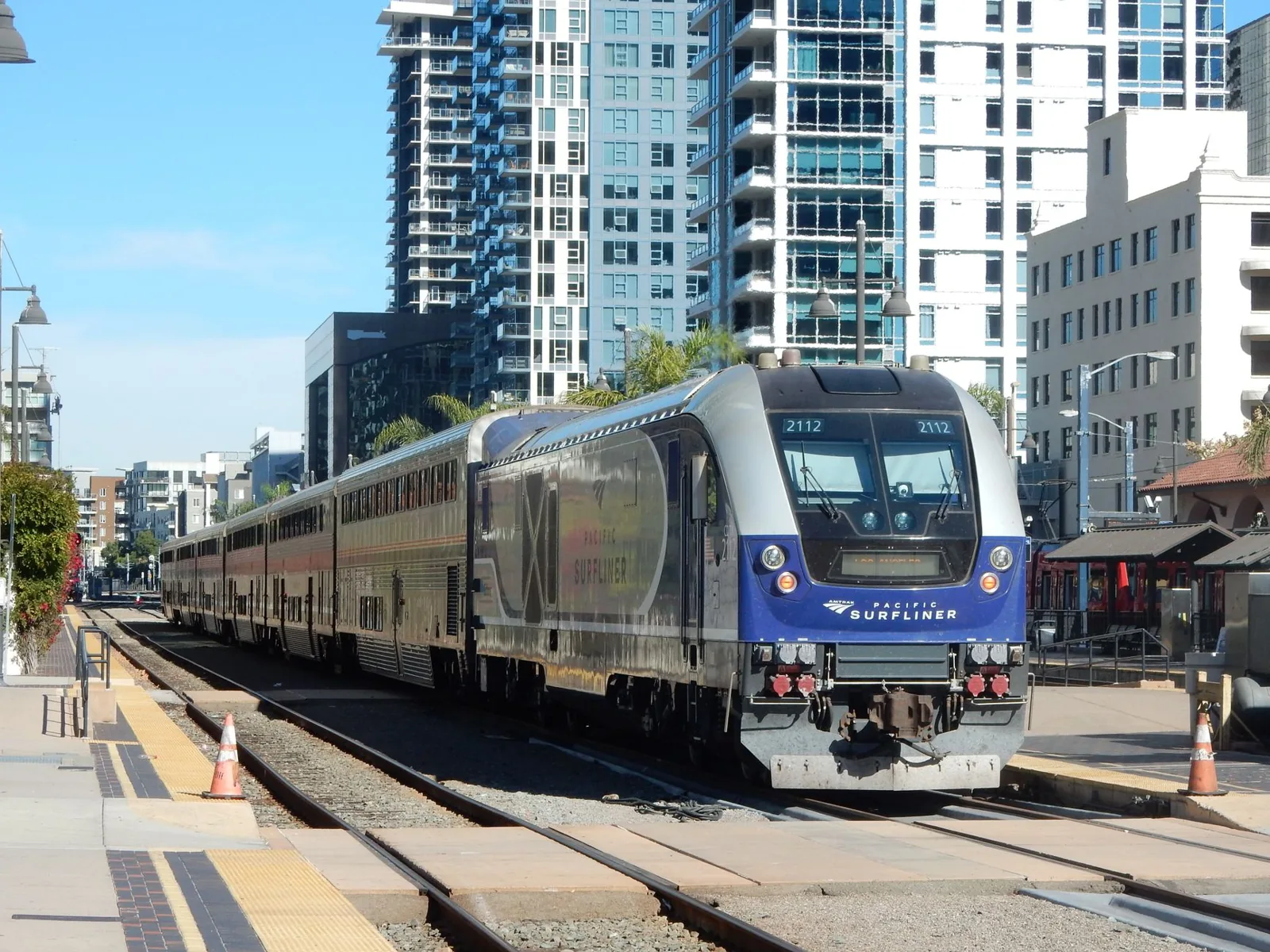
Photo by Bill Silveira via Pexels
Northeast Corridor: The Commuter Corridor
The Northeast Corridor between Boston, New York, Philadelphia, and Washington is where Amtrak sells the most tickets, so fares stay competitive. A Saver coach seat from New York Penn to Washington Union Station regularly prices at $54 to $70 on off-peak days, and Amtrak runs frequent sales that drop it into the $30s. The same seat bought the day of travel on a Friday can land above $150.
The Acela, which hits 150 mph on parts of the route, mostly cuts travel time rather than cost. Expect to pay a $60 to $120 premium over a Regional for the same city pair. Whether that is worth it depends on whether 30 saved minutes matters more to you than the money — I covered that math in detail in my piece on Amtrak versus flying the same corridor.
Long-Distance Routes: The Cross-Country Trains
Long-distance trains are a different product entirely. The California Zephyr runs 2,438 miles from Chicago to the Bay Area over 52 hours, crossing the Rockies and the Sierra Nevada. A coach seat, which includes a reclining chair, legroom you will not find on a plane, and a lounge car, runs $150 to $250 in advance. That is often cheaper than the same trip by air when you factor in baggage and airport transfers.
The catch is that 52 hours in a coach seat is a long night. That is where sleeper accommodations come in, and where amtrak ticket prices climb fast.
What a Sleeper or First Class Adds to the Price
Amtrak’s sleeper classes are where costs stop being about the seat and start being about the room. The names matter, so know them before you book.
- Roomette. The entry-level private room. Two berths by night, two seats by day, with a door and windows. Meals in the dining car, bedding, and station lounge access are included for every person in the room.
- Bedroom. Roughly twice the size of a Roomette, with a private in-room toilet and shower and a sofa that converts to a bed.
- Family Bedroom. Four berths and windows on both sides of the car, aimed at groups traveling with kids.
- Accessible Bedroom. A room built for travelers who use wheelchairs, with accessible restroom and space for a companion.
The sleeper price is per room, not per person, and it covers everyone in it — including three meals a day in the dining car on most western trains. That changes the math. A Roomette from Chicago to Emeryville that lists at $900 for two people includes meals for both, so the premium over coach is partly offset by the food you would have bought anyway.
On the Northeast Corridor, there are no sleepers. The top of the ladder is First class on Acela, which adds an at-seat meal, drinks, and a wider reclining seat for roughly $100 to $150 over business class.
How to Get Cheaper Amtrak Tickets
Amtrak’s headline fare is rarely what a smart traveler pays. These tactics reliably cut the price.
- Book two to three months out. Saver fares are limited and vanish first. The fare calendar will show you exactly which days still have them.
- Watch the sales. Amtrak runs regular Northeast Corridor flash sales with fares as low as $29 or $39, and a “Track Friday” sale around Black Friday that cuts many routes sharply.
- Use the student, senior, and military discounts. Riders 17 to 25 save 15% with the student discount, travelers 62 and older save 10%, and active-duty military and veterans save 10%. Kids 2 to 12 ride at half the adult fare.
- Consider the rail pass instead of many single tickets. The USA Rail Pass bundles 10 segments over 30 days for a flat price, and it pays for itself on a multi-city itinerary.
- Take the slower train. The Acela saves time, not money. A Northeast Regional costs less by design.
I break down the full tradeoff of train versus plane fares, including when the train genuinely wins on price, in this comparison of train and flight costs.
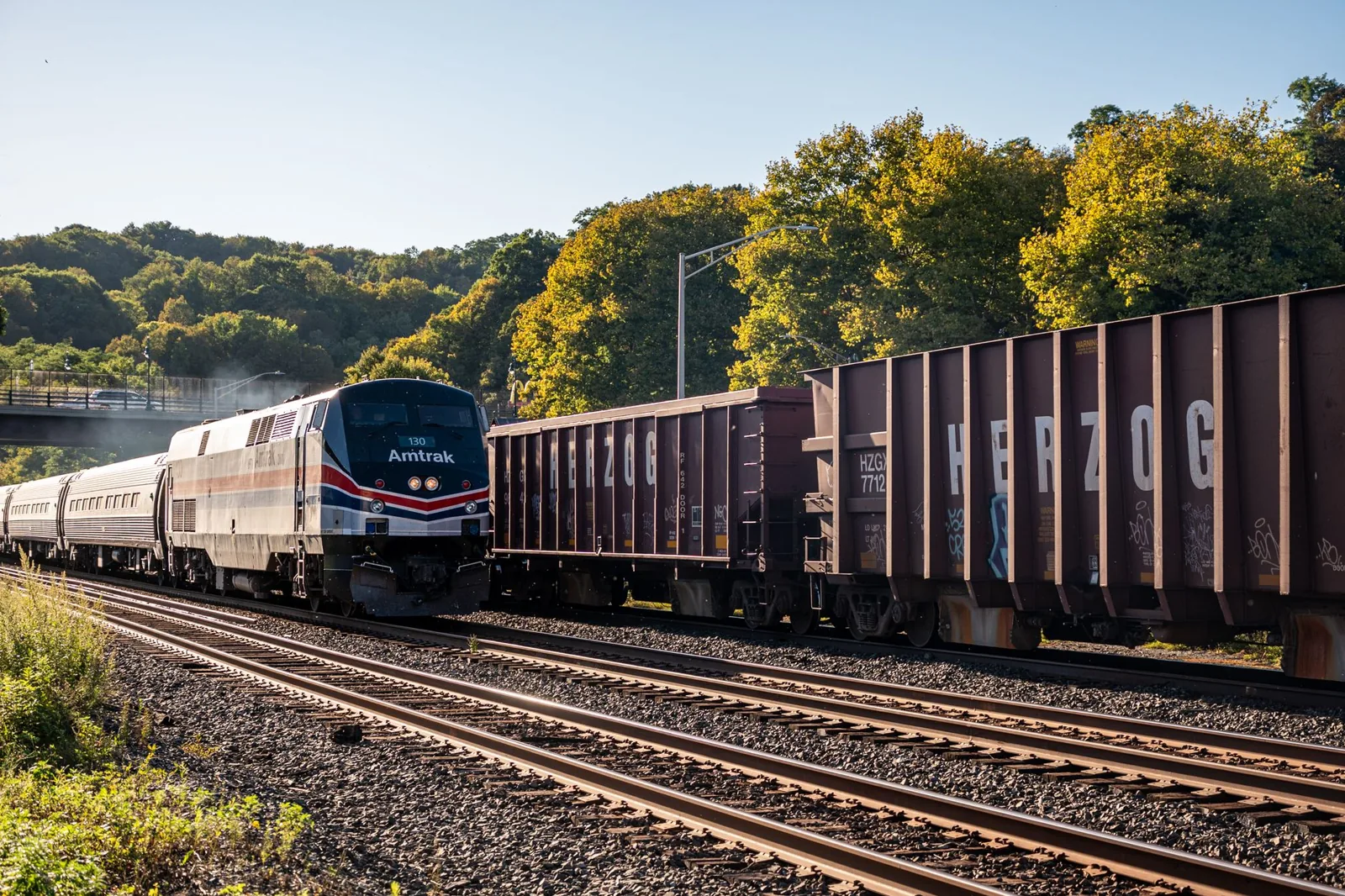
Photo by Jackie A via Pexels
When a Pass Beats Single Tickets
If one long trip is your plan, individual amtrak ticket prices are the right lens. If you are stringing together several cities, a pass or multi-ride ticket is usually the better deal.
- USA Rail Pass. Ten segments of travel in 30 days for around $499 in coach. A segment is one boarding, so a trip that requires a change uses two segments. It only breaks even if you genuinely plan to move around, but for a coast-to-coast itinerary it can cut the cost of buying leg-by-leg.
- Multi-Ride tickets. On busy commuter corridors and a few regional routes, Amtrak sells 10-ride and monthly passes. If you travel a corridor repeatedly, these drop the per-trip price below any single Saver fare.
The pass model is not unique to the US. If you are planning rail travel abroad, the same “bundle segments in a pass” idea applies — see how the Eurail pass price and the Japan Rail Pass cost compare for their own networks.
Are Amtrak Prices Worth It Against Flying?
On short and medium corridors, the comparison is close and airport-dependent. A $62 Regional from New York to Washington is nearly always cheaper door-to-door than flying once you add the cost of getting to and from the airport, and it places you in the center of both cities. The Amtrak station is downtown; the airport is not.
On long-haul routes, the picture flips. Flying from Chicago to the West Coast is faster and often cheaper in terms of pure ticket price, while the train wins on scenery, room, and not having to navigate security. The right answer depends on whether your goal is the cheapest possible crossing or the trip itself. Amtrak’s own figures and independent travel reviews from NerdWallet and The Points Guy consistently frame long-distance sleeper travel as a premium experience, not a budget one.
One more lever: Amtrak Guest Rewards. Every paid ticket earns points you can redeem for future travel, and the program’s transfer partners and occasional card bonuses can turn a paid trip into a free one later. If you ride more than a couple of times a year, it is worth signing up before you buy your first ticket.
Frequently Asked Questions
How much is a typical Amtrak ticket?
It depends on the route. A Northeast Corridor coach seat usually runs $54 to $130 one-way when booked ahead, while cross-country coach seats run $150 to $300. Sleeper rooms start around $500 a night on most western routes and climb past $1,000 for popular dates.
Are amtrak ticket prices cheaper if you book in advance?
Yes, often by half or more. Saver fares are released early and sell out first, so a seat that costs $54 two months out can pass $140 the week of travel. Booking two to three months ahead is the single most reliable way to cut the price.
Does Amtrak charge more for a window seat or extra legroom?
No. Coach seating is unreserved on most trains, so there is no upcharge for a window seat, and every coach seat has far more legroom than a standard airline economy seat. Reserved seats come with Business class or an Acela upgrade.
Do Amtrak sleeper rooms include meals?
Yes. Meals in the dining car, along with bedding and station lounge access at staffed stations, are included for everyone traveling in a Roomette, Bedroom, or Family Bedroom on trains with traditional dining service.
Is the USA Rail Pass worth it?
Only if you plan to take many segments in a short window. Around $499 for 10 segments is a bargain for a multi-city itinerary but wasted money for a single round-trip, which is usually cheaper as individual Saver fares.
The Bottom Line
Amtrak ticket prices reward planning and punish last-minute buying more than almost any other travel product. On the busy Northeast Corridor, a $54 Saver seat can become a $150 seat overnight. On the long-distance trains, the real cost question is not coach versus business class but seat versus sleeper, because the room includes your meals and changes the whole trip.
Book two to three months ahead, check the fare calendar, stack whatever discount applies to you, and grab a rail pass if you are moving between many cities. Do that, and the price you actually pay will look nothing like the number a first-time searcher sees. Ready to see how the train stacks up dollar for dollar? Start with my breakdown of train versus plane costs, then pick your route and buy with the fare calendar open.