How to Travel Solo: The Complete First-Timer’s Guide
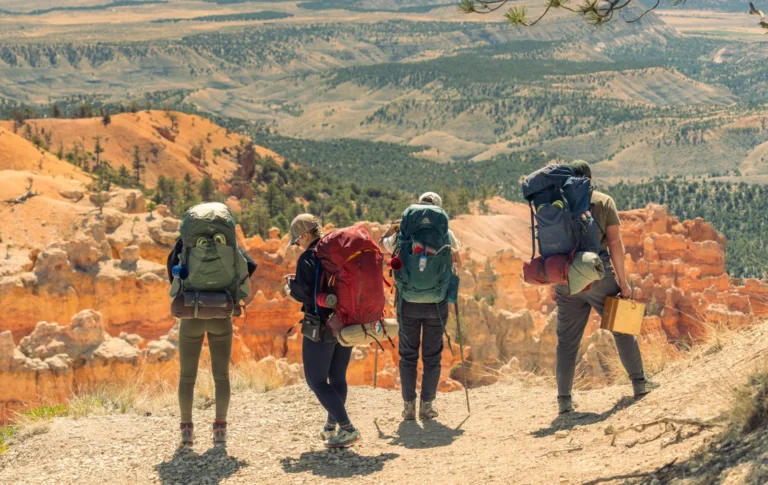
How to travel solo is the question that quietly stops more trips than it should. The hardest part is rarely the logistics. It is the moment before you click “book,” when the idea of sitting alone at a restaurant table or navigating a foreign train station by yourself feels bigger than the trip itself. Here is the thing: millions of people now travel alone every year, and the world has caught up. Hostels offer co-working lounges and solo-friendly events, airlines sell single seats without a second thought, and walking tours are full of strangers who arrive as one person and leave as a group.
This guide walks you through the whole process, from your first decision to the moment you land back home. You will get real cost numbers, concrete destination picks, and the safety habits that make a solo trip feel calm instead of scary. No fluff, no “find yourself” clichés — just the practical stuff that actually gets you on the plane.
Why Travel Solo (and Who It’s For)
Solo travel is not a personality type. It suits introverts who want total control over the itinerary and extroverts who plan to meet people along the way. The people who enjoy it most tend to want one thing: the freedom to change plans without a committee meeting.
The concrete benefits stack up fast. You decide the pace. You can spend three hours in a museum that bores everyone else, skip the overpriced tourist dinner, or reroute to a town you heard about from a stranger at breakfast. You also get better at the small skills most of us outsource on group trips — reading a transit map, asking for directions in a second language, solving a problem when the front desk is closed.
The trade-off is real: you carry the full mental load. No one is there to watch your bag while you use the bathroom, and a bad day is yours alone. Most first-time solo travelers say that tension fades within 48 hours, replaced by the quiet confidence that comes from realizing you can handle it. If you have ever completed a work trip by yourself or navigated a new city alone for a weekend, you already have most of the skills you need.
How to Travel Solo: Plan Your First Trip Step by Step
Planning a first solo trip is less about spreadsheets and more about taking the pressure off your first 72 hours. Here is the sequence that works.
Start small and close. Pick a destination where you share a language, where the logistics are forgiving, and ideally one a short direct flight away. Western Europe, Canada, and parts of Southeast Asia are the classic on-ramps. A five-day trip to Lisbon teaches you more about solo travel than a five-week odyssey that overwhelms you on day two.
Book the first two nights only. Lock in your arrival hotel or hostel, then leave the rest flexible. This is the single best hack for new solo travelers. It gives you a known address to hand the taxi driver and a soft landing, without chaining you to a plan you might want to change. You can book the next city from your phone once you know how you actually feel.
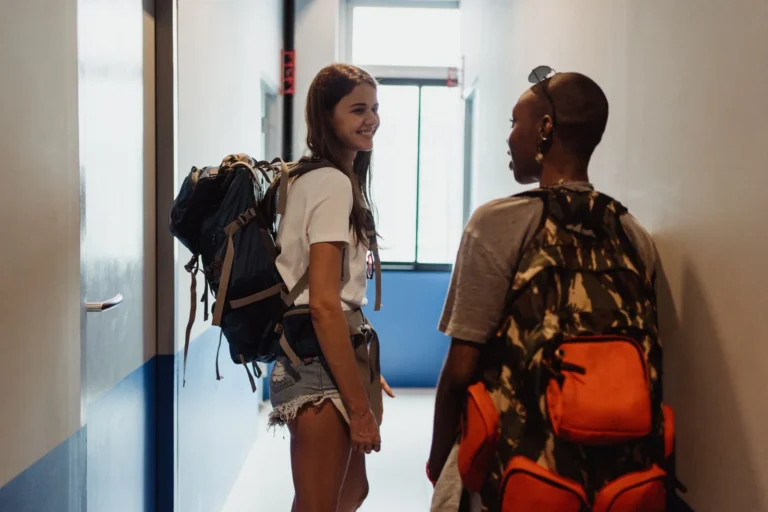
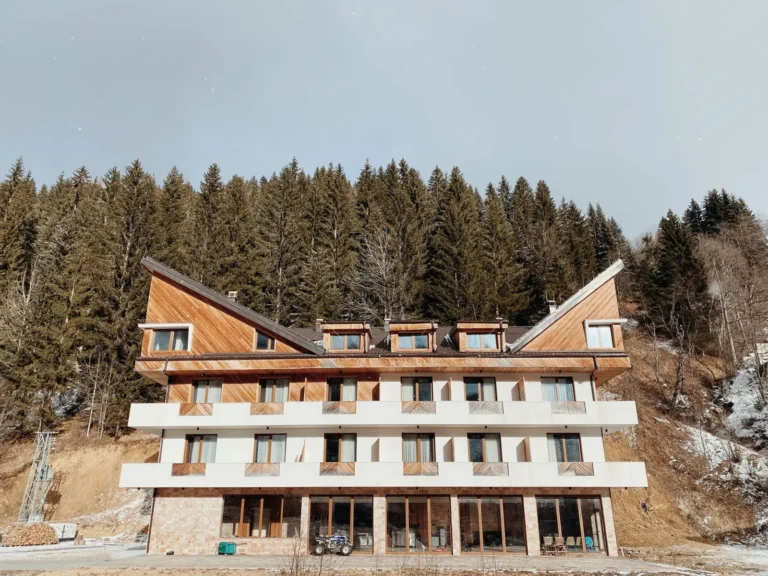
Pick accommodation that does the social work for you. A hostel with a common room, a walking-tour-friendly neighborhood, or even a hotel with a lively bar changes how isolated you feel. Read recent reviews for phrases like “easy to meet people” and “great for solo travelers.”
Front-load one structured activity. Book a walking tour, a cooking class, or a day trip for your second morning. It gives you instant company and a reason to get out the door, which is half the battle on day one.

Photo by Chu Chup Hinh via Pexels
What Solo Travel Costs in 2024
Solo travel carries one unavoidable surcharge: you are not splitting the room. That single line item is why “solo” can read as “expensive,” but the math changes depending on how you sleep. Here is what a typical day costs across three budgets, based on mid-2024 prices in a mid-tier European city like Lisbon or Krakow.
| Cost per day | Budget (hostel dorm) | Mid-range (private room) | Comfort (hotel) |
|---|---|---|---|
| Bed | $18–$35 | $60–$110 | $130+ |
| Food | $15–$25 (markets, cheap eats) | $30–$50 | $60+ |
| Local transit | $4–$8 | $8–$15 | $15+ |
| Activities | $0–$20 (free walking tours) | $15–$40 | $40+ |
| Daily total | $40–$85 | $115–$215 | $245+ |
Flights and long-distance trains are your biggest variable, so book those early. Use Kayak or Google Flights price alerts, and remember that overnight trains and buses double as both transport and lodging — a genuine money-saver for solo travelers who sleep well in transit. For a week in Europe, plan on roughly $700–$1,100 in the budget tier, $1,400–$2,400 mid-range, and $2,500-plus for hotels and sit-down meals. Southeast Asia drops every one of those numbers by 40–60%.
Choosing Where to Go for Your First Solo Trip
The best first destination is not the most exotic one. It is the one with short public-transit rides, strong English, reliable phone data, and a well-trodden traveler path. Ease beats novelty when you are learning to be alone in public.
For most first-timers, these are the dependable starting points:
- Lisbon, Portugal — compact, walkable, huge hostel scene, and a gentle introduction to a non-English-speaking country.
- Reykjavik, Iceland — famously safe, English is nearly universal, and tours handle all the logistics. Pricier, but low-stress.
- Tokyo or Kyoto, Japan — the safest large cities in the world for solo travelers, with unmatched public transit and a culture where eating alone is completely normal.
- Chiang Mai, Thailand — cheap, warm, full of digital nomads and solo backpackers, and easy to navigate.
- Vancouver or Banff, Canada — the closest “big trip” for North Americans who want solo practice without a passport shock, though a passport and a Return-trip mindset still apply.
If you want a broader menu before committing, our roundup of the best places for solo travel breaks down destinations by season, budget, and comfort level. Once you have a shortlist, cross-reference it against our solo travel safety tips so your day-one confidence is built on something more solid than optimism.
Photo by Ramo via Pexels
Staying Safe While Traveling Alone
Solo safety is mostly unsexy, repeatable habits — not a list of things that will go wrong. The goal is to feel relaxed, and the habits below buy exactly that.
- Share your itinerary. Send a family member or friend your hotel name, address, and rough plan, and update them once a day. A shared calendar or location pin takes ten seconds.
- Trust your gut, not politeness. The most common solo-travel mistake is overriding a bad feeling to avoid seeming rude. If a taxi, a bar, or a new acquaintance feels off, leave. You owe no stranger an explanation.
- Keep a decoy wallet. Carry a small amount of cash and a spare card in your day bag, and keep your passport, main card, and backup cash in a money belt or hotel safe.
- Limit late-night distractions. Keep headphones low or off after dark, map your route before you leave the hotel, and take a licensed taxi or a rideshare rather than walking unfamiliar streets at 2 a.m.
- Split your money and cards. One card in your room, one on your body. If one is lost or stolen, the trip does not end.
None of this is alarmist. It is the same hygiene you use at home, applied consistently in a place where you have less local knowledge. The lonely planet’s guide to traveling alone echoes the same core idea: preparation, not paranoia, is what keeps you safe. And Rick Steves’ solo travel tips are worth a skim before your first departure.
How to Meet People (Without Feeling Lonely)
Feeling lonely on a solo trip is normal, and it usually peaks around day three. The fix is not to force friendships; it is to put yourself in rooms where conversation is already happening.
Walking tours, food tours, and day trips are the easiest on-ramp, because the format hands you a shared experience and an excuse to talk. Hostels with communal kitchens and organized dinners do the same at night. If you are in a hotel, apps like Meetup and local Facebook travel groups surface language exchanges, pub nights, and hiking meetups in most cities. Cafés and co-working spaces are quieter backdoors — a laptop and a friendly table often attracts the same kind of traveler you are.
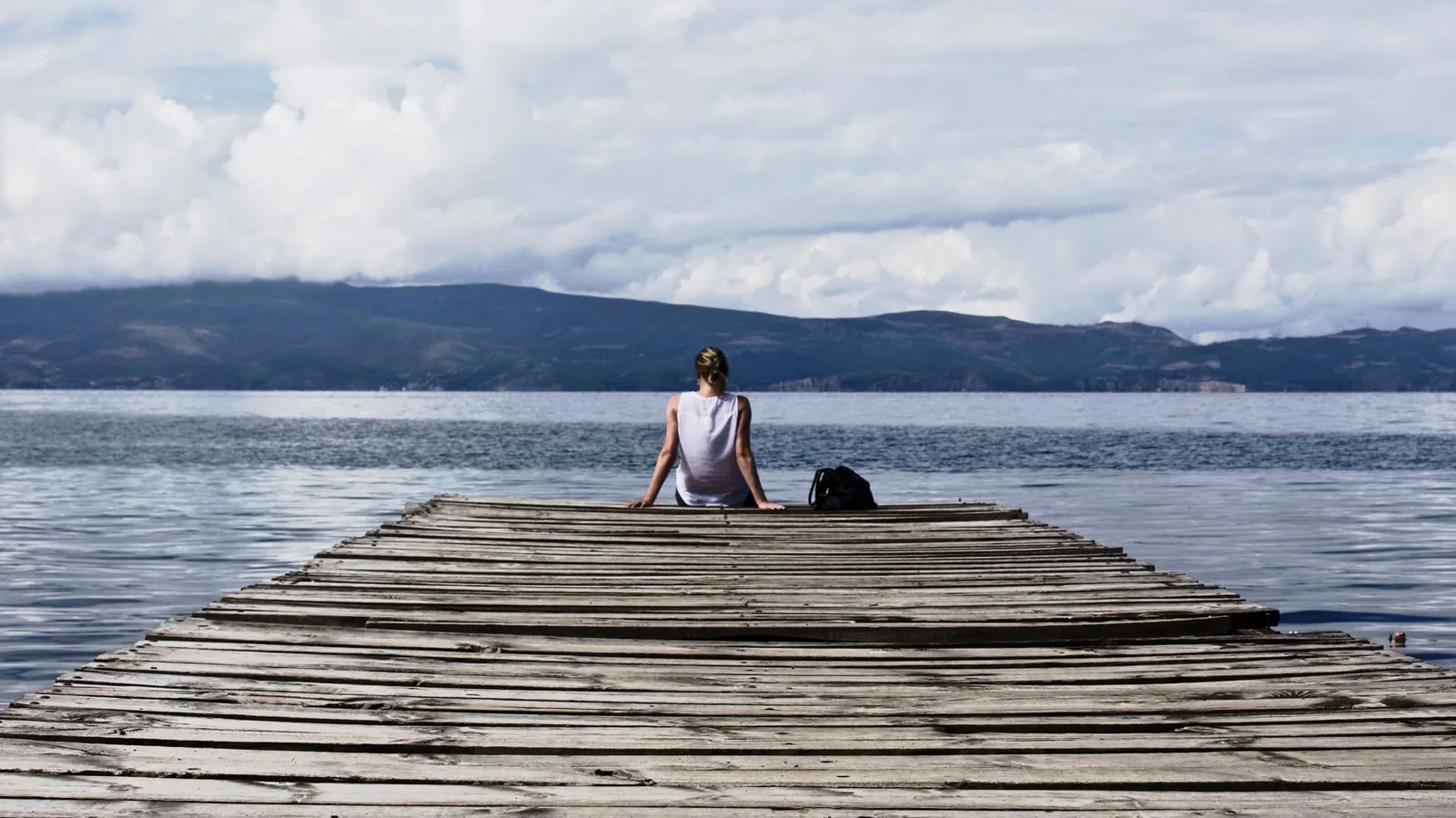
Remember that solitude and loneliness are not the same thing. A solo breakfast with a book is a skill worth building, and the days you spend alone are often the ones you remember most clearly. If you want the adrenaline version of this, our guide to adventure travel destinations covers trips where the activity itself assembles your crew for you — think guided hikes, dive boats, and multi-day treks.
Packing and Logistics for One
Packing solo is packing smart, because there is no one to borrow from.
- Carry-on if you can. Fewer bags mean faster moves and no lost-luggage drama when you are alone in a new city.
- Pack a power bank and an unlocked phone. A dead phone is a bigger deal when you have no travel partner to share maps with. Buy a local SIM or an eSIM before you land so you have data the moment you step off the plane.
- Bring two of the essentials. A backup bank card, a second pair of shoes that are already broken in, and copies of your passport stored separately.
- Medications and a small first-aid kit. Pharmacies exist everywhere, but hunting for antihistamine when you need it is a solo chore you can skip.
On the logistics side, download offline maps for your first city before takeoff, screen-grab your hotel’s address and phone number, and screenshot your e-tickets. Three screenshots have saved more solo trips than any app.
Frequently Asked Questions
Is solo travel safe for a first-timer?
Yes, if you start in an easy destination and follow basic habits — share your plans, stay aware after dark, and trust your instincts. Statistically, staying alert and choosing safe places to sleep removes most of the risk.
How much money should I budget for a solo trip?
For a week in Europe, budget roughly $700–$1,100 if you stay in hostels and eat cheaply, or $1,400–$2,400 for private rooms and sit-down meals. Southeast Asia costs about half. Flights are usually the biggest single line item.
Will I feel lonely traveling alone?
Briefly, and usually around day three. Most solo travelers find that booking one structured activity per day — a walking tour, a class, a group hike — eliminates most of the loneliness, and the rest fades as you build real confidence in your own company.
What is the best destination for a first solo trip?
Lisbon, Reykjavik, Tokyo, Kyoto, and Chiang Mai are the safest, most forgiving on-ramps. They combine strong transit, easy English, and large communities of other solo travelers.
Do I need to book everything in advance?
No. Book your first two nights and your transport in place, then leave the rest flexible. Locking down your arrival gives you a soft landing without chaining you to a plan you might want to change mid-trip.
The Bottom Line
You do not need to be fearless to travel solo. You need a first two nights booked, a destination that forgives mistakes, and the quiet understanding that the fears you feel now are almost all about the moment before you go, not the trip itself. The logistics can be learned — the cost tables above, the packing list, the safety habits are all learnable in an afternoon. What cannot be learned from a guide is how it feels to realize, somewhere around your third day, that you are genuinely fine on your own.
So start small, book the flight, and give yourself permission to be a beginner at this. The version of you that boards the plane is going to be slightly different from the one that lands, and that is the whole point. When you are ready to plan the details, our guides to the best places for solo travel and solo travel safety tips will walk you through the next steps.