Ski Trip Cost: How Much a Ski Vacation Really Costs in 2025
A ski trip cost is one of the more unpredictable line items in travel. Two people can ski the same mountain, on the same weekend, and spend wildly different amounts — the difference comes down to when you book, where you stay, and whether you buy a pass or pay day rates at the window.
The short answer: most skiers and snowboarders should budget between $1,500 and $4,000 per person for a five-day destination trip in North America, including flights, lodging, lift tickets, rentals, and food. A budget-minded solo traveler can pull it off for around $900; a family of four at a big resort can clear $10,000 without trying hard.
This guide breaks down exactly where a ski trip cost goes, with real numbers for the 2025-26 season, so you can plan a realistic budget instead of guessing.
How Much Does a Ski Trip Cost?
For a five-day trip at a major North American resort, here’s what a mid-range budget looks like per person in 2025-26:
| Expense | Budget Trip | Mid-Range Trip | Premium Trip |
|---|---|---|---|
| Lift tickets (5 days) | $350 (pass/advance) | $650 | $1,100 (window rate) |
| Lodging (5 nights) | $375 | $900 | $2,200 |
| Flights / gas | $150 | $400 | $600 |
| Gear rental (5 days) | $180 | $280 | $420 (demo skis) |
| Food & drinks | $200 | $400 | $800 |
| Total per person | $1,255 | $2,630 | $5,120 |
These are per-person figures. Couples and groups split lodging, which is why solo skiers often see a slightly higher per-person cost for accommodation than a group of four sharing a condo.
What Drives the Total Ski Trip Cost
Lift Tickets Are the Wild Card
Walk up to the ticket window at a flagship resort like Vail, Park City, or Aspen in peak season and a single day pass can run $210 to $270. Buy the same lift access online two weeks ahead, or bundle it into a multi-day package, and the daily rate drops noticeably.
The real savings show up with season passes. An Epic Pass or Ikon Pass purchased in the spring for the following winter typically costs $800 to $1,200 and pays for itself in five to seven lift days. If you already hold one, your ski trip cost drops to flights, lodging, and food.
Timing Changes Everything
Two factors move the price more than any other: school holidays and weekends.
- Peak weeks (Christmas through New Year’s, Presidents’ Day, spring break) can double lodging and lift prices.
- Midweek skiing in January or early March is often 30-50% cheaper than a holiday weekend.
- Early-season (before mid-December) is cheap but snow coverage is less predictable.
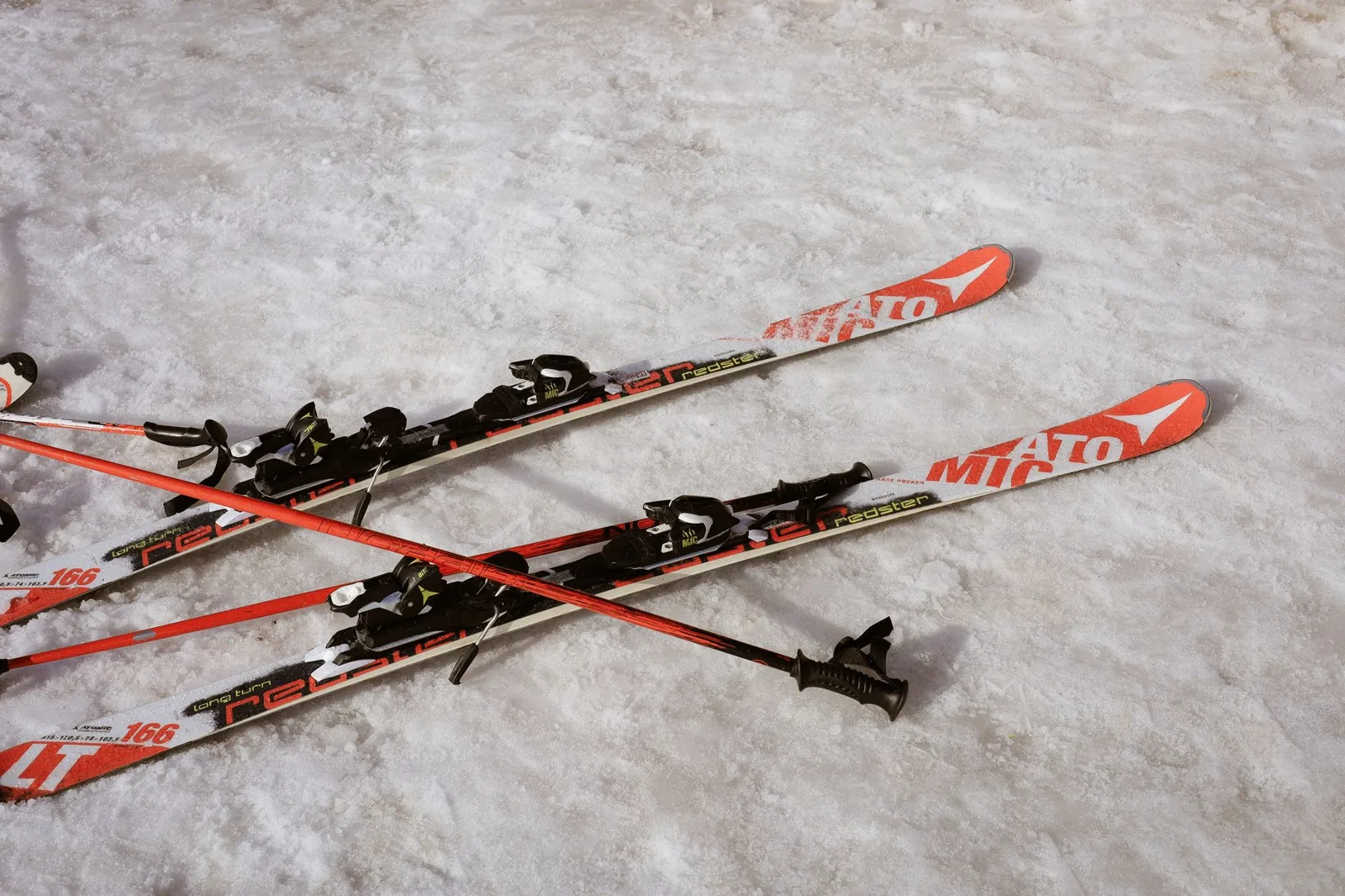
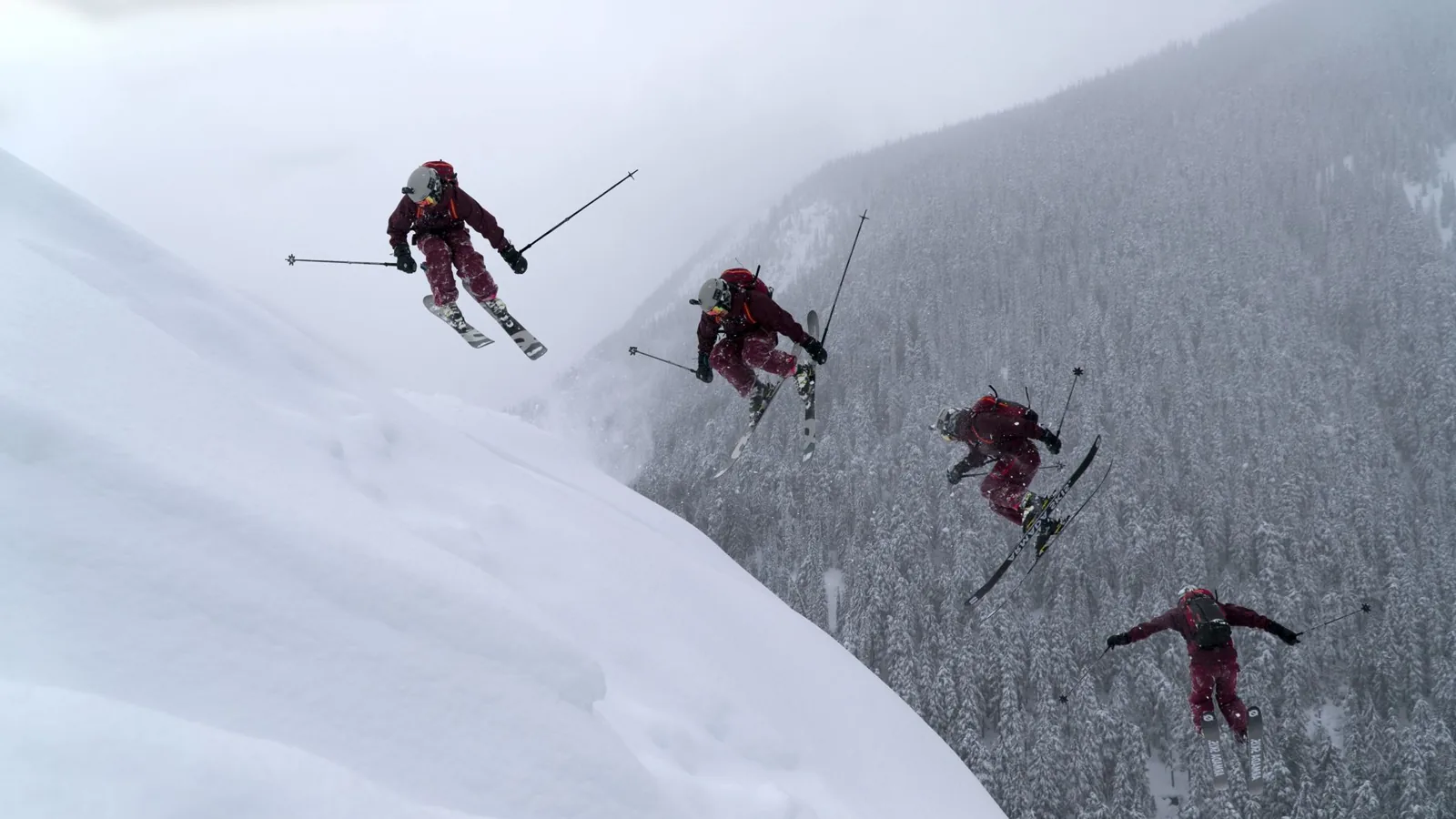
Photo by Nati via Pexels
Ski Trip Cost by Destination
Where you ski is the single biggest lever on your budget. Here’s how three popular tiers compare:
| Factor | Colorado / Utah Resorts | East Coast / Midwest | The Alps (Europe) |
|---|---|---|---|
| Day lift ticket | $150-$270 | $60-$150 | $55-$90 |
| Lodging (night) | $180-$450 | $120-$250 | $120-$300 |
| Five-day base cost | $1,800-$3,200 | $800-$1,800 | $900-$2,000 |
| Best for | Deep snow, huge terrain | Short drives, lower cost | Scenery, apres-ski, value |
The Alps are often cheaper than people expect. A day pass at Chamonix or Zermatt runs far below a Vail window rate, and European lodging in resort towns can undercut Rocky Mountain prices — but you add transatlantic airfare, so the value formula favors Europe for trips of a week or more. For a closer look at how that math plays out on other big-ticket adventures, see our breakdown of how much an African safari costs.
Lift Tickets and Season Passes
Your lift-access strategy drives the rest of the budget, so decide this first.
- Multi-day advance tickets usually carry a 15-30% discount off the window rate.
- Epic and Ikon passes make sense at roughly 6+ ski days per season and unlock partner resorts worldwide.
- Independent resorts (Wolf Creek in Colorado, Bridger Bowl in Montana, or smaller East Coast hills) still sell full-day tickets under $100, which is rare at mega-resorts.
- Kids, seniors, and college students frequently get discounts of 20-40% at the window.
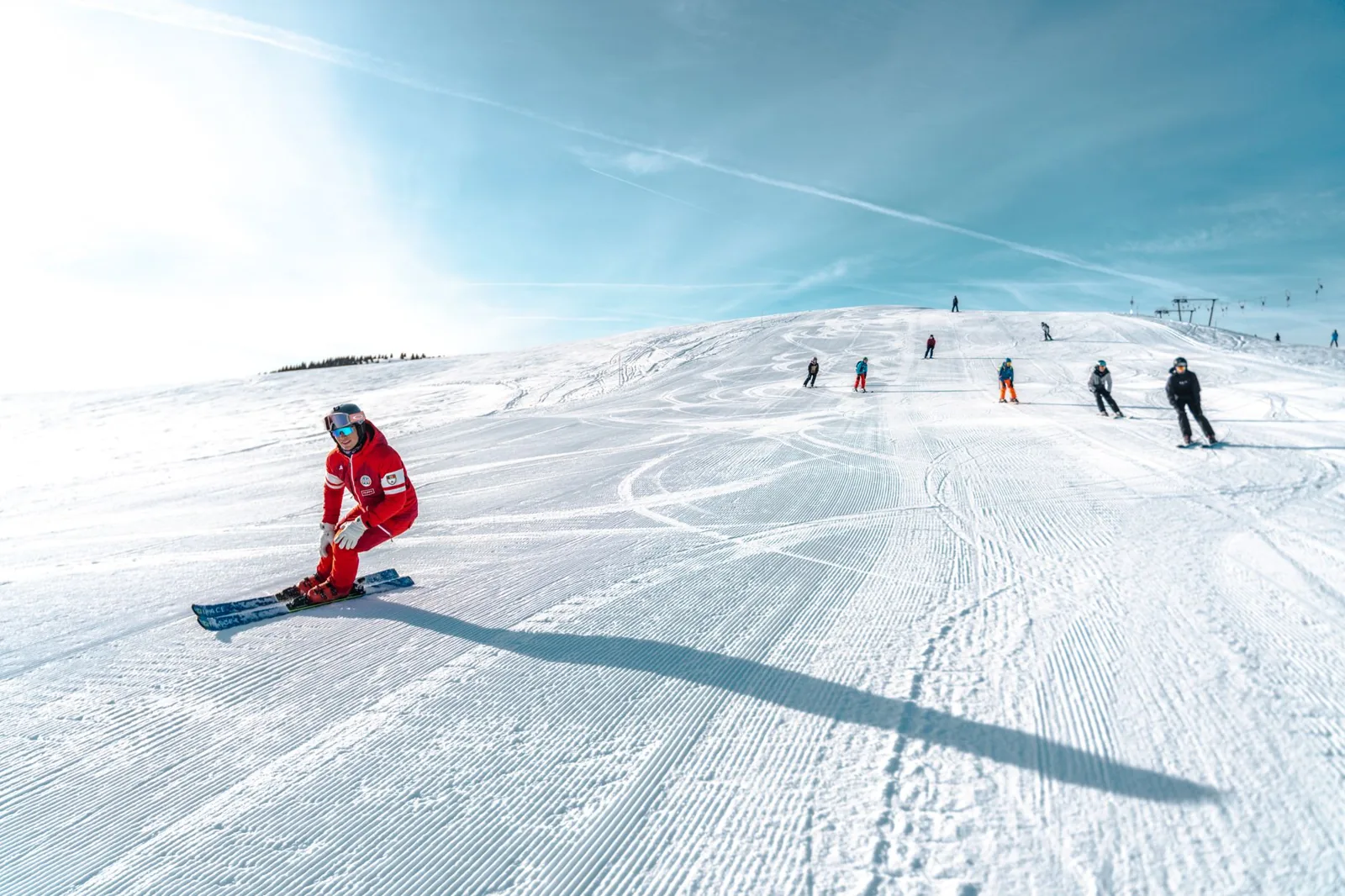
Photo by Federico Tomasoni via Pexels
Lodging, Flights, and Gear
Lodging is the second-biggest line item, and it rewards early booking. Slopeside hotels and condos at top resorts fill up months ahead; booking by early September locks in normal-season rates and the widest selection. Staying 15-25 minutes down the valley can cut lodging costs by 40% or more, and many resort towns run free or cheap shuttle buses to the base.
Flights follow the same rule as everywhere else: book 6-10 weeks out, and be flexible on dates. Denver (DEN), Salt Lake City (SLC), and Reno (RNO) are the classic gateway airports for western skiing; Denver in particular has frequent service that keeps fares competitive. If you are planning to travel alone, our solo travel guide covers how to work shuttles, group lessons, and shared lodging to your advantage.
For gear, renting is almost always the right call for occasional skiers. A standard ski-and-boot rental runs $35 to $55 per day, while a performance or demo package runs $60 to $90. Renting off-mountain from a shop in town is routinely cheaper than renting at the resort’s own rental shop.
Lessons, Family Costs, and the Extras You Forget
Lessons are the line item first-timers most often miss. A half-day group lesson at a major resort runs $120 to $180, and a private lesson starts around $400 to $800 for the same window. Kids’ ski school day programs typically land between $150 and $250 per child per day, which is why a family’s per-person ski trip cost looks completely different from a solo traveler’s.
Beyond lessons, the extras add up quickly: gear damage insurance (about $5 to $12 per rental day), locker rentals, and parking — some resorts now charge $20 to $50 a day for a slopeside spot. Apres-ski eats are easy to underestimate, with a single on-mountain lunch and a drink running $25 to $40 per person.
A safe planning rule is to add 15-20% on top of your lodging, lift, and rental total to cover incidentals without wrecking the budget halfway through the week.
How to Lower Your Ski Trip Cost
None of these savings require sacrificing the experience — they’re mostly about timing and avoiding the resort’s highest-margin purchases. Small decisions compound into hundreds of dollars saved:
- Book a pass or multi-day ticket in spring or fall, before window prices jump.
- Travel midweek in January or early March and skip holiday weeks.
- Stay off-mountain and use the shuttle instead of paying slopeside premiums.
- Rent off-mountain or bring your own boots and rent only skis.
- Pack breakfast and lunch; on-mountain cafeterias are among the most expensive restaurant meals in the country.
- Use points for flights and hotels if you carry a travel rewards card.
If you’re heading out alone, group lessons and guided days also double as a way to meet people, which makes solo travel safety and logistics easier to manage on the mountain. For broader trip inspiration beyond the slopes, browse our list of adventure travel destinations.
Frequently Asked Questions
How much does a ski trip cost per person?
Plan on $1,500 to $4,000 per person for a five-day destination trip in North America, including flights, lodging, lift tickets, rentals, and food. Budget trips run closer to $1,000; premium resort stays push past $5,000.
What is the cheapest time to go skiing?
Midweek in January and early March, outside of holidays, is the cheapest window at most resorts. Early season (November to mid-December) can be cheaper still, but terrain and snow cover are less predictable.
Are ski trips cheaper in Europe or the US?
Day tickets and on-mountain food are generally cheaper in the Alps, but transatlantic flights add to the total. For trips of a week or more, Europe often wins on value; for a long weekend, a domestic US resort is usually cheaper overall.
How much do ski lift tickets cost?
Walk-up day tickets at major US resorts run roughly $150 to $270, while smaller independent resorts charge $60 to $100. Multi-day advance purchases and season passes both bring the daily rate down significantly.
Do I need a ski pass for a short trip?
Not necessarily. If you ski four days or fewer per season, advance multi-day tickets are usually cheaper than a season pass. Passes pay off around the six-day mark at most mountains.
For a budget breakdown, NerdWallet covers ski trip costs.
The Bottom Line
A ski trip cost breaks down into a few controllable pieces: lift access, lodging, getting there, and gear. Decide your pass strategy first, book lodging early, and travel midweek in a shoulder month, and you can ski a major destination resort for around $1,500 per person instead of $3,000.
Set your budget for lift tickets, lodging, and food before you book a single flight, and you’ll stop worrying about the price of lunch at 10,000 feet — and start enjoying the turns.