How to Plan an Adventure Trip: A Step-by-Step Guide
Learning how to plan an adventure trip comes down to one uncomfortable truth: the difference between a trip that happens and one that stays on your bucket list is almost never money or time. It is whether you break the whole thing into decisions you can act on this week, this month, and right before you leave.
A real adventure trip — a multi-day trek, a bike tour, a river expedition, a climb — rewards people who prepare the boring logistics carefully and then leave room for the trip to surprise them. Underplan the flights and permits and you will sit at home. Overplan the daily schedule and you will miss the point entirely.
This guide walks through the process step by step, with the actual numbers, lead times, and tools I would use to book it today.
Decide What “Adventure” Actually Means to You
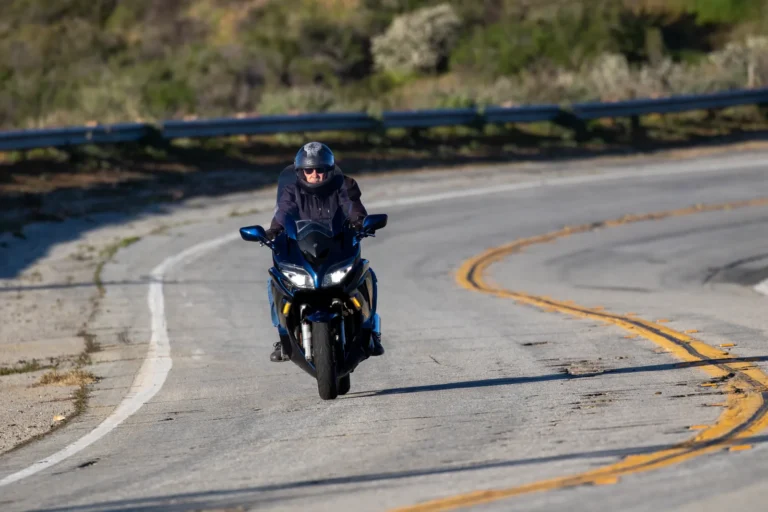
The biggest mistake first-timers make is chasing a version of adventure they saw on social media instead of the one they would genuinely enjoy. A three-week self-supported trek in the Annapurna region is a very different trip from a guided week on Oregon’s Rogue River, and both are different from a long-distance motorcycle ride on the Pacific Coast Highway.
Before you spend a dollar, answer five questions plainly:
- How many days can I actually be away, door to door? Subtract travel days before you build the itinerary.
- What daily effort am I willing to tolerate? Be honest about hiking hours, cold nights, and rough roads.
- Solo or with people? A guided group adds cost but removes most of the planning weight.
- What is my hard budget ceiling? Write the number down; it anchors every later decision.
- What is the one moment I need this trip to contain? A summit, a stretch of river, a view, a border crossing — one clear goal shapes everything else.
If you are going alone for the first time, read our full guide to how to travel solo before you commit to a route that demands more than you have done before.
Set a Budget Before You Scroll
Most adventure trips fail in the research phase because people look at packages without a number in mind and end up either paralyzed or overspending. Work out your budget in this order: transport, permits and entry fees, lodging, food, gear, insurance, and a 15% buffer for the things that always go wrong on the road.
Here is what the three main styles tend to cost per person per day, based on current prices across Nepal, South America, and the western U.S.:
| Factor | Backpacking trek | Guided expedition | Road-trip adventure |
|---|---|---|---|
| Typical cost / day | $30–$60 | $150–$400 | $80–$150 |
| Planning lead time | 2–4 months | 6–12 months | 1–3 months |
| Fitness required | High | Moderate (guided pace) | Low |
| Best for | Experienced hikers | First big adventure | Groups and pairs |
A self-supported trek on a famous route like the Annapurna Circuit can run $30–$50 a day once you are there, while a guided Kilimanjaro climb lands between $2,500 and $4,500 all in. Climbing permits and expedition logistics push Antarctica and Everest-region trips into five figures. The point is not to match a package price; it is to pick a style, then price the specific line items.
Pick a Destination and the Right Season
The same route can be world-class in one month and borderline dangerous in the next. Match your destination to the season first, then to your budget and visa situation. A few reliable windows:
- Nepal trekking (Everest, Annapurna): October–November and March–April for clear skies and stable trails.
- Patagonia (Torres del Paine, El Chaltén): December–February for the southern summer, but book refugios and campsites months ahead.
- U.S. national parks and thru-hikes: June–September for the Rockies and Sierras; permits for Half Dome and the Wave are lottery or timed-release.
- European long-distance routes (Tour du Mont Blanc): late June to mid-September, timed around open refuges.
- Tropical rafting and jungle treks: dry season varies wildly — the Peruvian Amazon is driest May–September, Costa Rica’s Pacific side December–April.
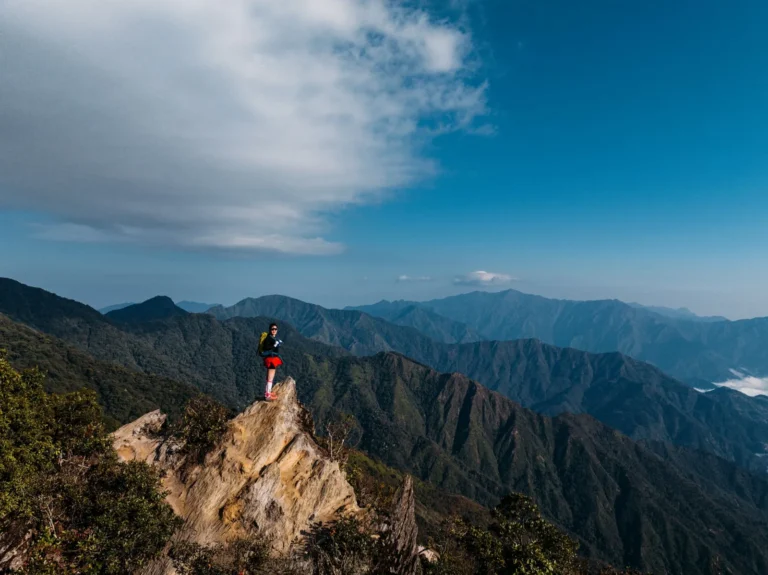
Photo by Diana Smykova via Pexels
If you need a shortlist to kick off your research, our roundup of adventure travel destinations groups options by season, budget, and difficulty so you can narrow fast instead of doomscrolling.
Book Transport, Beds, and Permits Early
The parts you cannot improvise are the ones to book first. International flights are cheapest roughly one to three months out for most routes, but the money you save on a fare is worthless if you miss the permit window that actually lets you do the trip.
Lock these in the moment your destination is chosen:
- Flights and overland legs. Search Kayak or Google Flights across dates, not a single day, then set a fare alert rather than refreshing.
- Permits and lotteries. The Inca Trail sells out months in advance; Half Dome and the Wave and Havasu Falls use lotteries with deadlines weeks before the trip. Some are non-refundable, so confirm dates before you pay.
- The first and last night’s lodging. Always. Arrival and departure nights near the airport or trailhead remove the worst stress of the week.
- Anything with fixed capacity. Overland huts on the Tour du Mont Blanc, Patagonia refugios, and popular backcountry campgrounds book out.
Everything between those anchor points — the day-to-day route, where you sleep mid-trip, where you eat — can and should stay flexible. That slack is where a good trip becomes a great one.
Pack Gear You Actually Need
The most common packing error on adventure trips is bringing too much of the wrong weight and too little that matters for safety. Start with what you must not be without, then strip the rest.
- Footwear and feet. Break trail shoes or boots in for at least two weeks of daily walking before departure. Blisters end more trips than weather does.
- Layers, not bulk. A merino base layer, a mid-layer, and a waterproof shell handle more conditions than any single heavy jacket.
- Navigation and backup power. Downloaded offline maps (Maps.me, AllTrails, Gaia GPS) plus a small power bank that you actually test before leaving.
- A real first-aid and repair kit. Blister tape, antihistamines, a filter or purification tablets, duct tape, and a multi-tool.
- Rent the big, expensive, awkward items. Tents, sleeping bags, and cold-weather gear are easy to rent at most trailhead towns and base camps, and usually cheaper than dragging them through two airports.
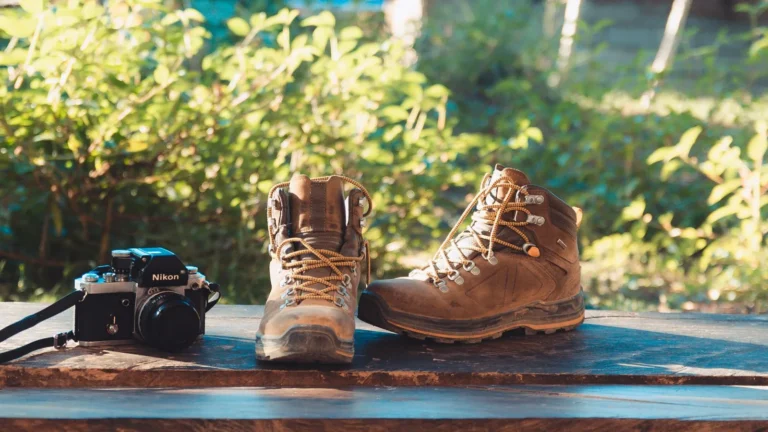
Photo by Andrew Neel via Pexels
Build in Safety and a Backup Plan
An adventure trip is the one time you should spend money on protection that you hope to never use, and the one time a written-down backup plan pays for itself.
- Buy travel insurance that specifically covers your activity. Standard policies quietly exclude mountaineering, trekking above a certain altitude, and many water sports. Providers like World Nomads and SafetyWing are built for adventure travelers, but read the altitude and activity limits before you buy. NerdWallet’s guide to travel insurance is a useful way to compare coverage types.
- Share a written itinerary. Leave a copy with someone at home and check in on a schedule. If you go silent, they know when to worry and who to call.
- Learn the local emergency and evacuation basics. Know the number, the nearest hospital or rescue point, and whether your insurance covers helicopter evacuation — because that is the one cost that can bankrupt a trip.
- Carry a paper map and a compass. Batteries die, screens crack, and nothing is more useless than a dead phone on a faint trail.
If you are traveling by yourself, spend time with our solo travel safety tips before you go. Most adventure-trip accidents are preventable with the same discipline you would apply anywhere else: sober judgment, a working phone, and someone who knows where you are.
Lock the Itinerary and Book the Big Experiences
By now you have the skeleton: flights, permits, first and last nights, and a safety net. The last step is the fun one. Slot your one must-have moment into a specific day early in the trip, not at the end, so weather or a blown ankle does not erase it. Book any guided day experiences that fill up — canyoneering, via ferrata, rafting day trips — through a reputable operator or aggregator like GetYourGuide or Viator rather than an unknown page on social media.
Then leave at least one genuinely open day for every four planned days. That is not sloppy planning; it is how you say yes to the trailhead tip, the weather window, and the local who tells you about a swimming hole that is not in any guidebook. For destination ideas and booking tips from people who have actually done these trips, Lonely Planet’s adventure travel section is worth a read once your shortlist is set.
Frequently Asked Questions
How far in advance should I plan an adventure trip?
Start six to twelve months out for permit-heavy routes (Inca Trail, Half Dome, Kilimanjaro) and big international treks. For a domestic road trip or a less-regulated trail, two to three months is plenty. Book your flights once dates are firm, and apply for permits the day the window opens.
How much does an adventure trip cost on average?
It ranges from about $30–$60 per person per day on a self-supported trek to $150–$400 per day for guided expeditions, excluding international flights. A weeklong guided trip commonly lands between $2,000 and $4,500 all in, while a self-planned backpacking trip in the U.S. can be done for under $500 plus gear.
Do I really need travel insurance for an adventure trip?
Yes, and it must cover your specific activity. Routine medical bills, a rescue, or an evacuation can cost tens of thousands of dollars, and standard travel policies often exclude trekking, climbing, and water sports. Confirm altitude limits and evacuation coverage before you pay.
Should I buy gear or rent it?
Rent the bulky, expensive, single-purpose items — tents, sleeping bags, cold-weather clothing, climbing hardware — especially if you are starting out. Buy your footwear and base layers, which must fit well and be broken in. Rental shops at trailhead towns and base camps are generally well stocked and cheaper than airline baggage fees.
Can I plan an adventure trip alone?
Absolutely, and many of the best routes are perfectly safe solo with the right preparation. The tradeoff is more responsibility for permits, logistics, and your own safety net. Start with a shorter, well-marked route with reliable cell coverage before taking on a remote multi-week trek alone.
The Bottom Line
How to plan an adventure trip is less about heroic ambition and more about a sequence of small decisions: pick the one moment you want, set a real number, match your destination to the season, book the permits and flights early, and protect the whole thing with insurance and someone who knows where you are.
Do the boring parts first, then stop planning and go. The trip you actually take will not match the spreadsheet — and that is the entire point. Pick a date this week, apply for the permit, and buy the flight. The rest falls into place faster than you think.