Trekking Essentials: The Gear, Clothing, and Skills You Need to Hike Farther
Packing the right trekking essentials is the difference between a trip you remember fondly and one you limp away from. Blisters, cold nights, and running out of water are almost never caused by bad weather alone — they come from leaving the wrong thing at home.
This guide walks through the gear, clothing, and habits that matter for day hikes, overnighters, and multi-day treks. Prices below reflect what you’ll actually pay at U.S. retailers in 2025, so you can budget without guessing.
Start With the Right Footwear
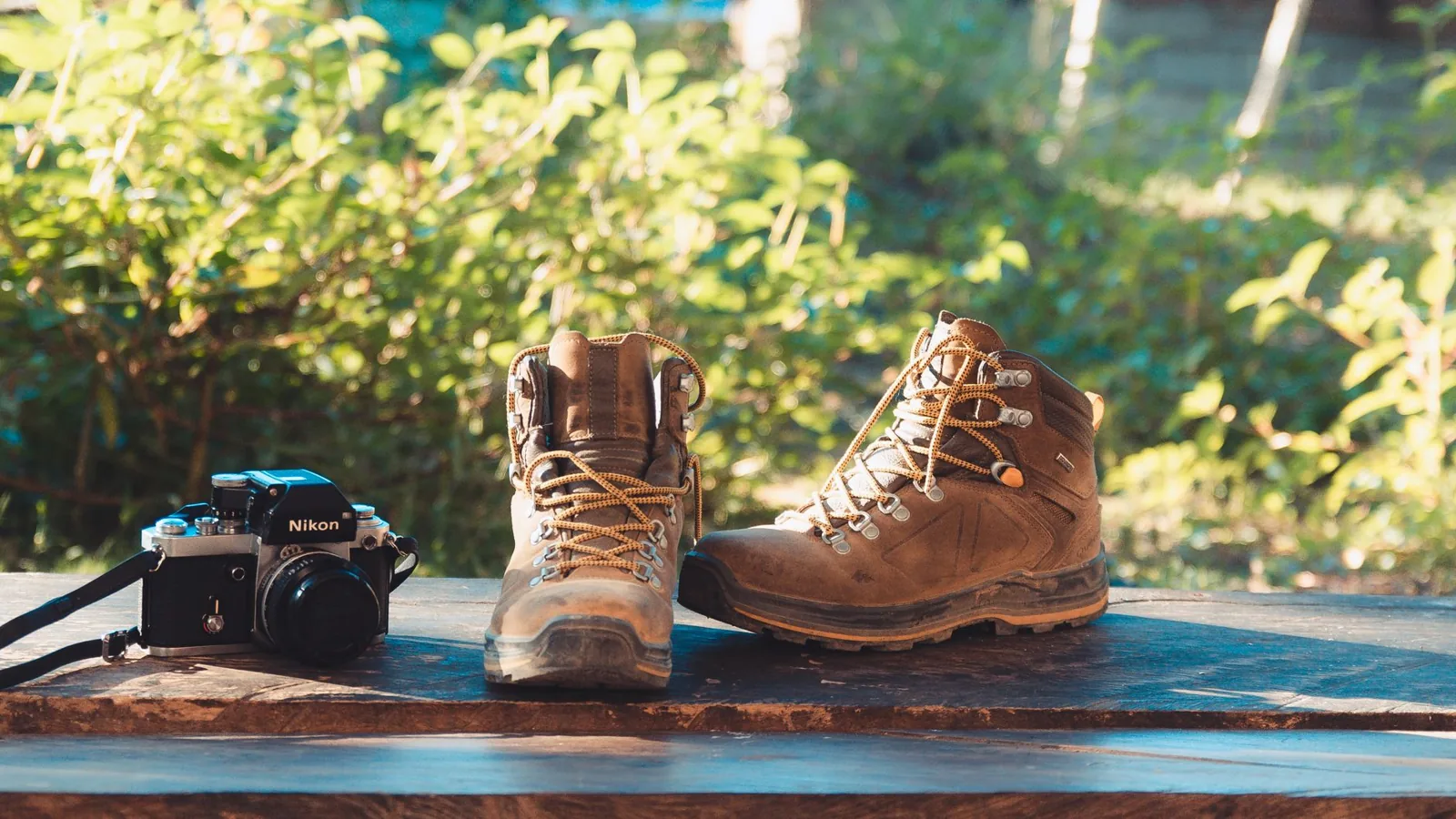
Your boots or shoes are the single most important purchase, because your feet carry every other item on this list. Spend here before you spend anywhere else.
For day hikes on maintained trails, a lightweight trail runner or hiking shoe works fine and breaks in fast. For rocky terrain or a loaded overnight pack, step up to a mid-cut waterproof boot with a stiffer sole. Dedicated mountaineering boots are overkill unless you’re crossing snow or carrying 40 pounds or more.
Expect to pay $90–$160 for a solid hiking shoe and $140–$260 for boots from brands like Salomon, Merrell, or Oboz. Whatever you buy, break it in on short local walks for two weeks before the trip. New boots on a long trek are a recipe for heel blisters.
Clothing: Layers Beat a Heavy Jacket
The most common packing mistake is bringing one big insulated jacket and nothing in between. Layering gives you control when the trail climbs into sun and drops into wind within the same hour.
A working three-layer system:
- Base layer — a polyester or merino-wool shirt that wicks sweat off your skin. Skip cotton; it soaks through and chills you.
- Mid layer — a light fleece or down jacket for warmth. A fleece ($40–$80) stays warm when damp; down is lighter but useless once wet.
- Shell — a waterproof, breathable rain jacket. A good one ($120–$250, from Outdoor Research or Patagonia) is worth the money if your trek could see rain.
For your legs, quick-dry hiking pants beat jeans, which chafe and hold water. Add a pair of wool or synthetic socks — two pairs on longer trips — and a brimmed hat plus sunglasses.
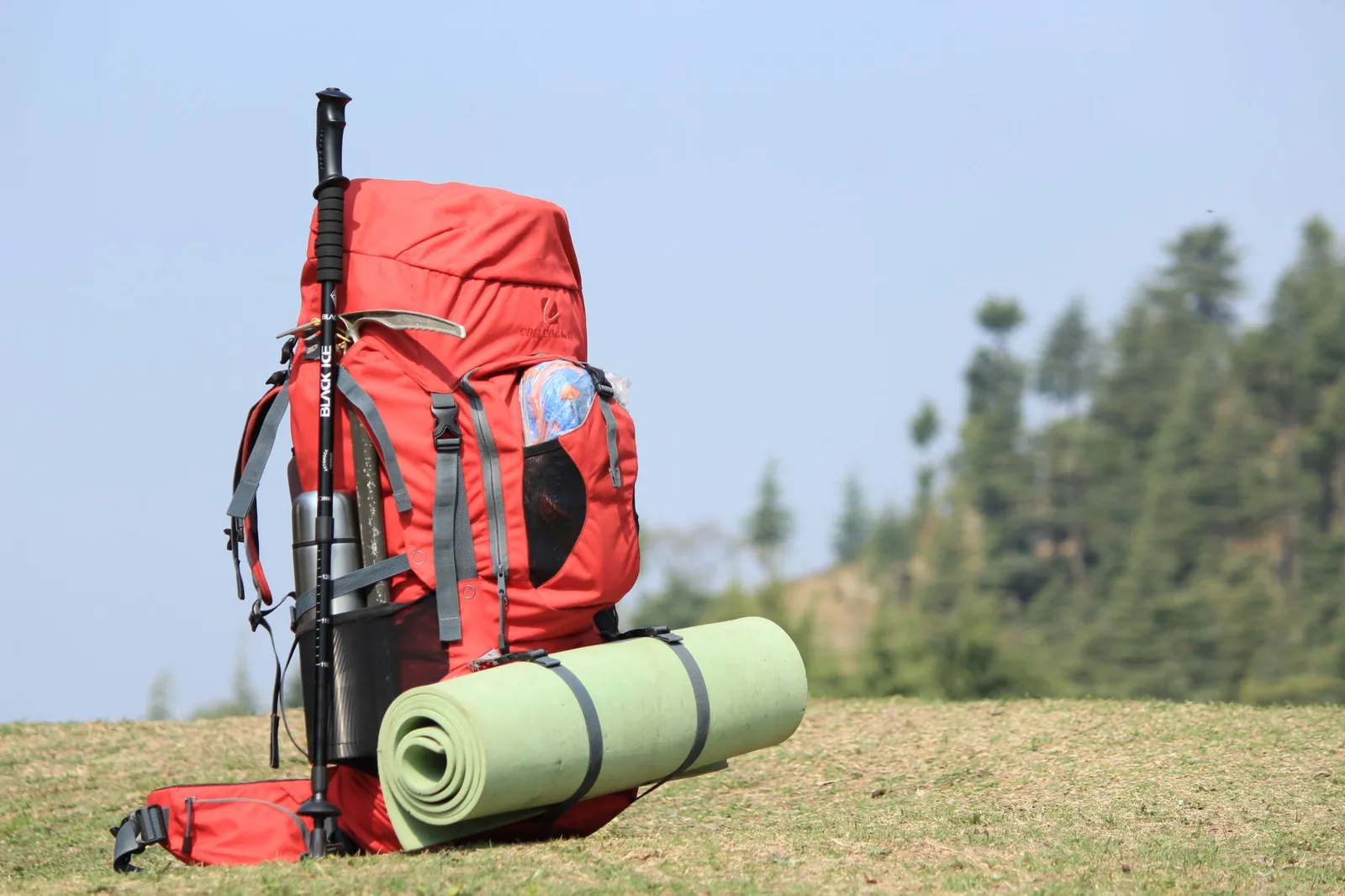
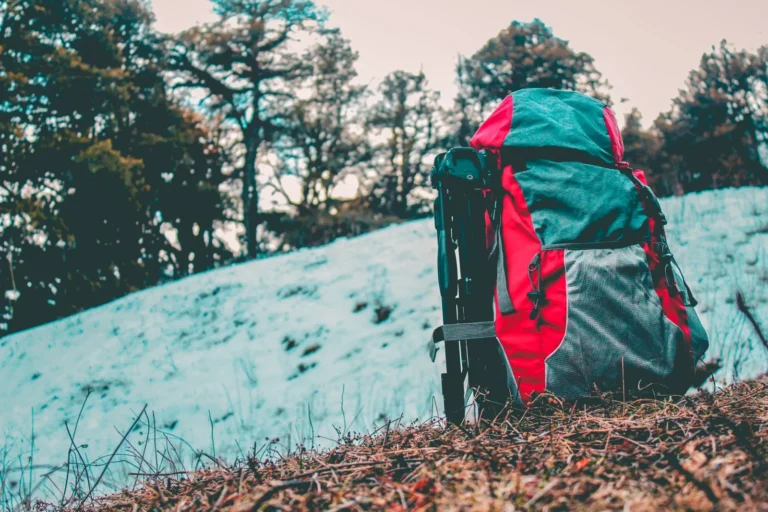
Photo by Ravindra rawat via Pexels
Navigation and Safety Gear
Getting lost is the most common cause of serious trail emergencies, and it usually starts small: a missed junction, a fading trail, a shortcut that isn’t one.
At minimum, carry three things:
- A downloaded offline map. Apps like AllTrails and Gaia GPS let you save maps for use without cell service. Your phone’s GPS works offline, but only if the map is already stored.
- A paper map and compass as backup. Batteries die and screens break. Learn the basics of taking a bearing before you need the skill.
- A headlamp with fresh batteries. Even a short afternoon walk can turn into a dark descent if a trail takes longer than planned.
A small first-aid kit rounds out the safety basics: blister pads, moleskin, bandages, antiseptic wipes, pain relief, and any personal medication. A whistle and a lightweight emergency blanket weigh almost nothing and could buy you a rescue.
Food, Water, and the Fix for a Dead Phone
Water is weight you have to accept. On a hot day, most hikers need about half a liter to a liter per hour. For a day trek, carry two to three liters and a water filter — a Sawyer Squeeze or Katadyn BeFree costs $25–$45 and lets you refill at streams instead of hauling everything downhill.
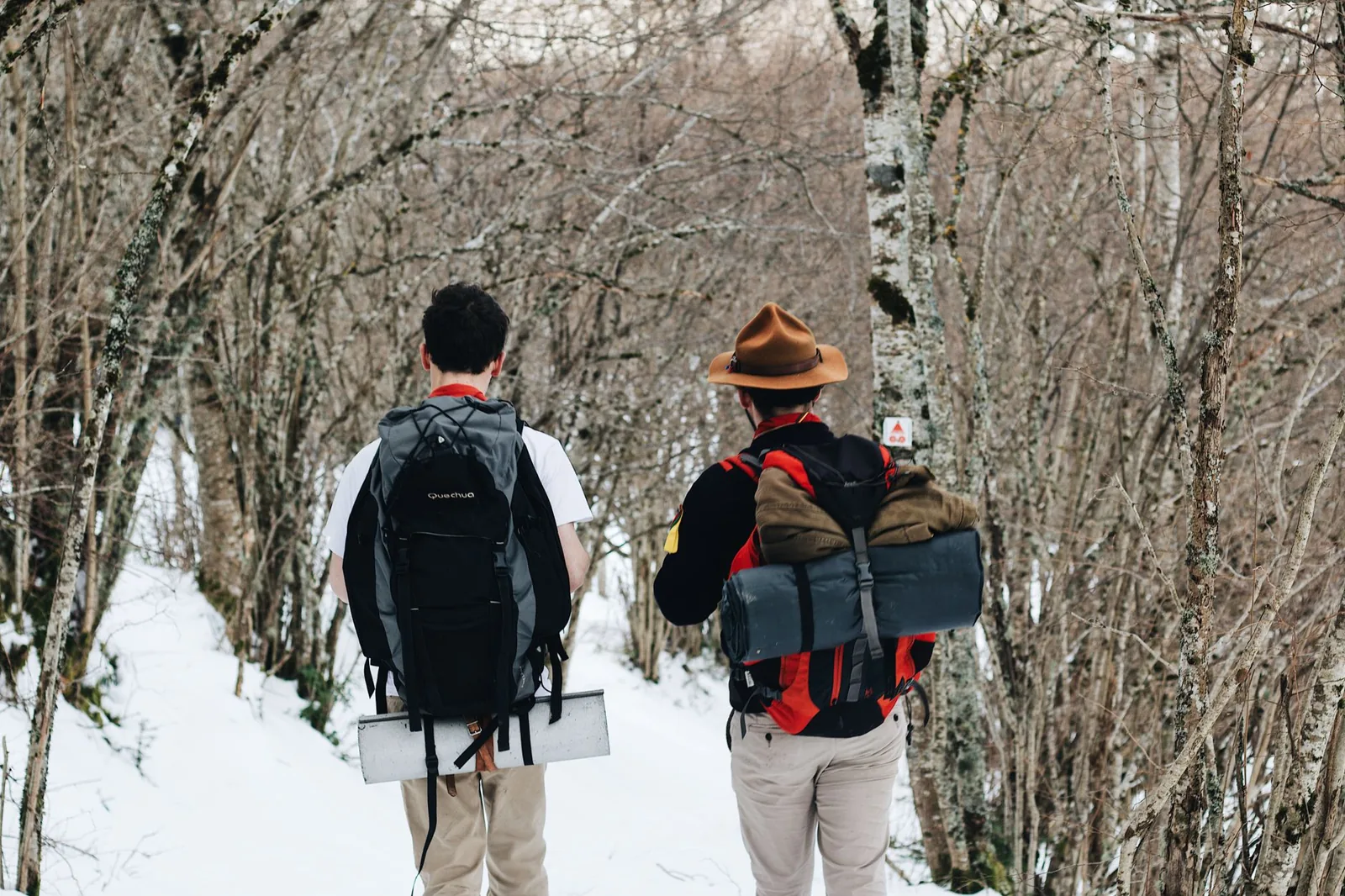
Photo by Pexels via Pexels
For food, favor calorie density over volume: trail mix, nut butter packets, dried fruit, and energy bars. On a full day out, aim for 2,000–3,000 calories. Pack a little more than you think you’ll need; a delayed pickup or wrong turn eats into the margin fast.
Your phone will drain faster in the cold and when it’s hunting for signal. A 10,000 mAh power bank ($30–$50) gets most phones through two days of navigation and photos.
The Packing Checklist That Covers Most Treks
Use this as a starting point rather than gospel, and adjust for distance and season.
| Category | Day Hike | Multi-Day Trek |
|---|---|---|
| Pack size | 15–30 liters | 45–65 liters |
| Water | 2–3 liters plus filter | 3 liters plus filter and purification tabs |
| Shelter | None needed | Tent, down sleeping bag, sleeping pad |
| Food | Snacks and lunch, ~2,000+ kcal | 3,000+ kcal per day, ultralight stove |
| Navigation | Phone map + paper backup | Phone map, paper map, compass, GPS beacon |
A few items trip up even experienced hikers: sun protection (snow and high altitude burn fast), a lightweight repair kit with duct tape, and an extra pair of socks. If your trek crosses significant elevation, add a GPS messenger like a Garmin inReach or a PLB — satellite devices start around $300 plus a subscription, but they work where your phone never will.
Trekking Solo: Extra Precautions Worth Taking
Going alone — whether by choice or because friends bailed — changes the math slightly, and not just emotionally. When there’s no partner to fetch help, redundancy becomes your safety net.
Tell a specific person your route, your trailhead, and your expected return time, then check in when you’re out. Leave the same information on the dashboard of a parked car or with a ranger station when one is staffed. If your trek is in a national park, check permit and reservation rules before you go; many popular routes, from Yosemite’s cables to a Grand Canyon rim-to-rim, now require a permit in advance.
A personal locator beacon or satellite messenger earns its cost fastest on solo trips. The ability to send an “I’m okay” message or trigger an SOS from a spot with zero cell service is the closest thing to having a partner along.
What Trekking Essentials Actually Cost
Knowing the numbers keeps the hobby honest. Here’s a realistic budget for a first-timer buying a complete setup, using mid-range gear that will last for years:
- Footwear: $120–$260
- Clothing system (base, mid, shell): $200–$400
- Backpack: $90–$250
- Navigation and safety kit: $60–$150
- Water filter and hydration: $40–$80
That’s roughly $510–$1,140 for a full day-hike kit, with overnight gear — tent, bag, pad, stove — adding another $500–$900. You can start cheaper by borrowing, renting from REI, or buying used from GearTrade and local outdoors shops. The one place not to cut corners is footwear, followed by a reliable first-aid kit.
Frequently Asked Questions
What are the absolute trekking essentials for a beginner?
Sturdy, broken-in footwear; weather-appropriate layers; at least two liters of water plus a filter; an offline map with a paper backup; a first-aid kit; and a headlamp. Everything else is comfort and refinement.
How much water should I carry on a day trek?
Two to three liters for a typical warm-weather day hike, and more in hot or exposed terrain. A filter or purification tablets let you refill at streams and carry less weight from the trailhead. Learn the water situation on your route beforehand, since desert and high-alpine sections often have no reliable sources.
Should I trek alone if I’m a beginner?
Start with busy, well-marked trails where other hikers pass regularly, and tell someone your exact route and return time. Soloing is rewarding but removes your safety margin, so keep early trips short and carry a whistle, offline map, and way to call for help.
Do I need hiking boots, or are trail runners fine?
For maintained trails with a light pack, trail runners are lighter, dry faster, and need almost no break-in. Choose boots when you’re carrying a heavy overnight load or crossing rocky, unstable terrain where ankle support matters.
What should a trekking first-aid kit include?
Blister care (moleskin and padded bandages), adhesive bandages, antiseptic wipes, gauze and tape, pain relievers, an antihistamine, and any personal prescriptions. Add a whistle and emergency blanket for trips away from help.
How do I keep my phone from dying on the trail?
Download offline maps before leaving, put the phone in airplane mode between uses, and carry a 10,000 mAh power bank. Cold drains batteries faster, so stash the phone in a warm inner pocket when temperatures drop.
The Bottom Line
Good trekking essentials aren’t about buying the fanciest gear — they’re about removing the reasons a trip goes wrong. Right footwear prevents the blisters that end hikes early. Layers beat one heavy jacket. Water, a filter, an offline map, and a first-aid kit keep small problems from turning into rescues.
Start with the basics on this list, test them on short local trails, and add gear as your routes get longer. If you’re heading out alone, our solo travel safety tips are a good companion read, and planning your first independent trip is easier with how to travel solo. For route inspiration once your kit is dialed, browse adventure travel destinations.
For deeper trail-specific guidance, the Lonely Planet hiking resources and Rick Steves’ packing philosophy are both worth a bookmark.