Is Train Cheaper Than Flying? A Real-World Cost Comparison
The question “is train cheaper than flying” is one of the first things every budget traveler Googles before booking a trip. The honest answer is that it depends on the route, the season, and how much luggage you are hauling — but the gap is often closer than the headlines suggest.
Over the past year I have priced out dozens of trips across the US and Europe, and the pattern is consistent. Trains usually win on short corridors and city-center-to-city-center routes. Planes win on long-haul fares and when a low-cost carrier runs a flash sale. The trick is knowing which math applies to your specific trip before you click buy.
This guide breaks down real fare data and the hidden costs both options bury in the fine print, so you can make the call in minutes instead of hours.
Is Train Cheaper Than Flying? The Short Answer
For trips under roughly 400 miles, the train is cheaper more often than not once you add everything up. On the busy US Northeast Corridor, an Amtrak coach seat from Washington, DC to New York can run from $49 to $89 booked a few weeks out, while a comparable flight on that same city pair rarely dips below $150 after taxes. In Europe, a Eurostar seat from London to Paris books as low as £39 one way, and Ryanair or easyJet base fares often undercut that only when a sale is on and you are flying with nothing but a small backpack.
The moment your trip stretches past 600 miles, the plane almost always takes the price lead. A train from New York to Chicago costs $121 to $230 for a coach seat and takes 20 hours; a flight covers the same distance in 2.5 hours for $89 to $200 on a regular day.
What flips the equation for most travelers is not the headline fare but the ten smaller costs that stack on top of flying: airport transfers, baggage fees, seat selection, and the time you lose sitting at a gate.
Train vs. Plane: A Side-by-Side Cost Comparison
Here is how the two stack up on a typical 300-mile city pair, priced as a one-way trip for one adult with one carry-on bag.
| Factor | Train | Plane |
|---|---|---|
| Base fare (booked 3 weeks out) | $49–$120 | $89–$180 |
| Baggage (carry-on) | Included | $0–$60 |
| Seat selection | Included, open choice | $5–$30 |
| Airport/station transfers | $0–$15 | $30–$70 |
| Total time door-to-door | 3.5–5 hrs | 4.5–6.5 hrs |
| Typical all-in cost | $50–$135 | $125–$340 |
The lesson in that table is straightforward: the sticker price on a plane ticket is only the opening bid. Amtrak, Eurostar, and most long-distance rail operators fold baggage and seat choice into the price, while airlines treat both as add-ons.

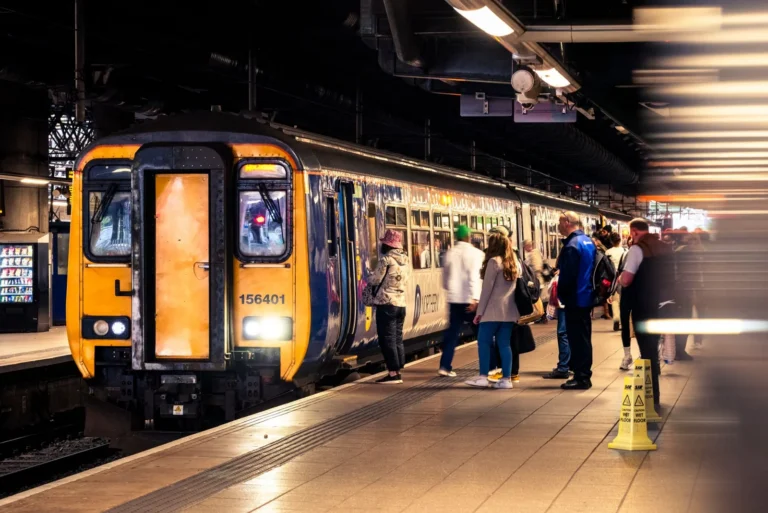
Photo by Armin Forster via Pexels
Where Trains Almost Always Win
There are three situations where rail is reliably the cheaper option, and none of them are close.
City-center routes under 350 miles
Think Washington to New York, London to Paris, Tokyo to Osaka, or Milan to Rome. Trains drop you into the middle of town with no security line and no luggage fees. On these corridors, even last-minute train fares often beat last-minute flights because rail operators price their seats more gently as departure approaches.
Trips with checked bags or sports gear
Airlines have turned baggage into a revenue stream. A round trip with one checked bag on a US legacy carrier now adds $60 to $80, and that is before oversize fees for skis or golf clubs. Trains let riders carry most bags for free, which can erase a $100 gap on its own.
Peak-season and holiday travel
Rail fares rise during holidays, but they rarely spike the way airline prices do around Thanksgiving or Christmas. When a 45-minute flight jumps to $400 because demand is high, the train is often still sitting at a predictable $80 to $140.
Where Flying Wins on Price
Flying is still the value play in a few specific cases, and it is worth being honest about them.
Long-haul and cross-continent travel is the clearest example. You are not taking a train from New York to Los Angeles to save money — a $200 flight versus a $300-plus, three-night train ride is not a real contest. Same story for routes with a mountain range, an ocean, or a national border with no through-rail service in the way.
Budget-carrier flash sales are the wild card. Ryanair, easyJet, Frontier, and Spirit run base fares as low as $19 to $49 for short hops when they are trying to fill a midweek plane. If you are traveling with no checked bag, no seat preference, and a tolerance for a 90-minute airport runway, those fares can undercut even a discounted rail ticket.
The catch is that these sale fares rarely line up with the exact day and time you want to travel, and adding even one bag closes the gap quickly.
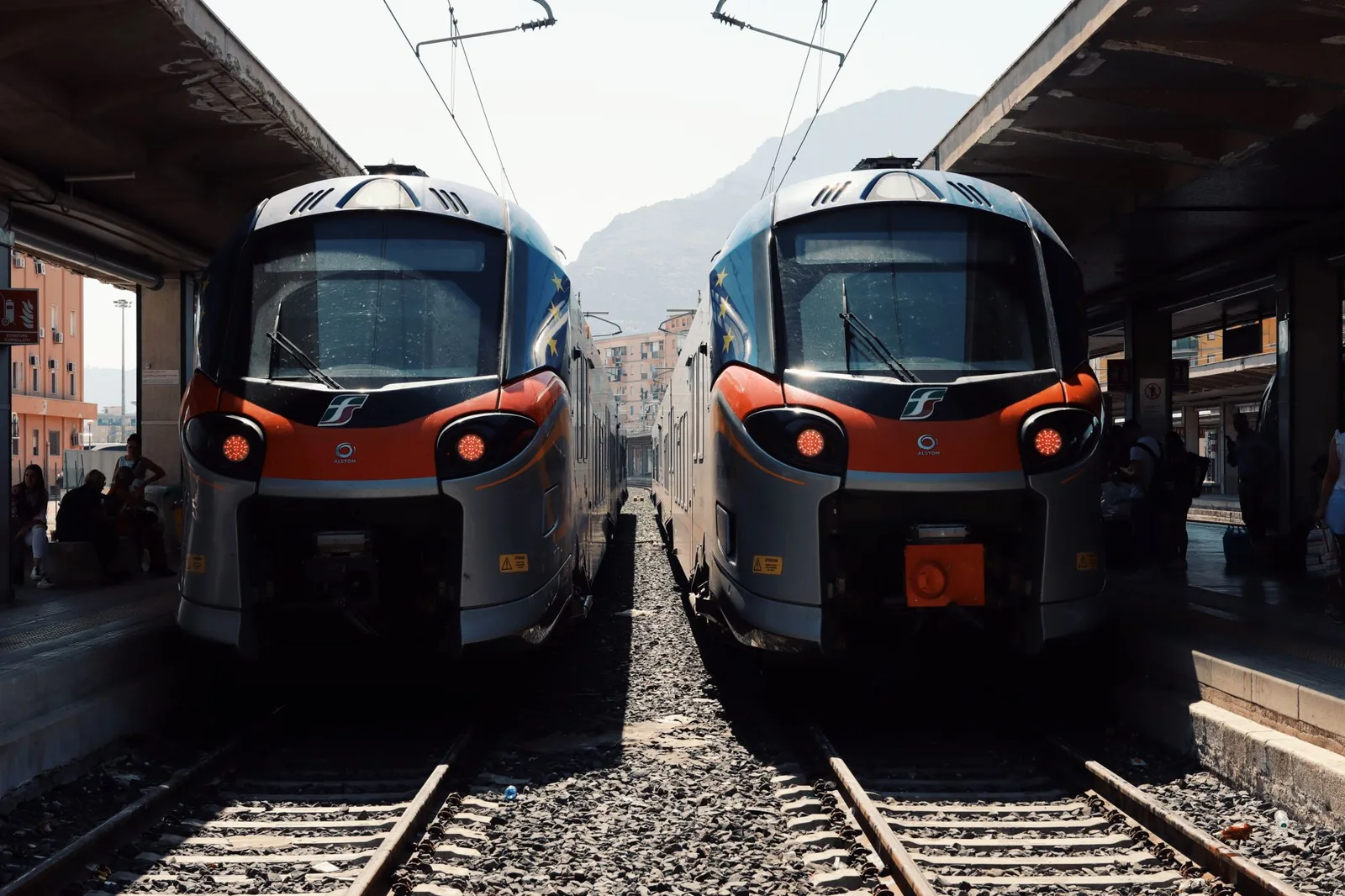
Photo by Efrem Efre via Pexels
How to Price a Train Trip Like a Pro
Getting a genuinely cheap train ticket is less about luck and more about timing. Here is the same playbook many long-distance rail regulars use.
Book window matters more than you think
Amtrak fares climb sharply inside about two weeks of departure, then spike again in the final three days. European operators like Eurostar and SNCF open bookings three to six months out and push their lowest tiers early; the £39 London-to-Paris seats are genuine but they sell out fastest on weekend departures.
Rail passes pay off on multi-leg trips
A Eurail Pass can slash the per-leg cost if you are stringing together four or more cities in a short window, and the Japan Rail Pass stays a strong deal for a week of Shinkansen travel — though a 2023 price increase narrowed that advantage. The math only works when your itinerary is dense; a pass for one or two train rides almost never earns its keep.
Always check the train vs. plane cost split on your exact route
No generic rule beats 60 seconds of real pricing. Pull up Amtrak ticket prices for your city pair, then open a flight search for the same day, and add $40 to $70 to the flight for transfers and the airport buffer. That side-by-side, all-in number is the only comparison that matters.
Add the cost of your own time
A six-hour train ride is not cheaper if it costs you a client meeting or a full vacation day you could have slept in a hotel bed. Price both the cash and the hours, and let the total decide.
Hidden Costs That Change the Math
Most people compare the fare and stop there. That is the exact mistake airlines count on.
Airport transfers are the biggest ignored expense. A $49 flight from a suburban airport stops looking like a deal when the taxi or rideshare from the city center runs $45 each way and the train station is a 10-minute walk from your hotel.
Time at the airport is a cost, too. Budget carriers want you there two hours early for a domestic flight; international check-in pushes that toward three. Trains in most of the world need only 20 to 30 minutes, and you spend that in a coffee line rather than a security queue.
Fuel surcharges, seat fees, and payment fees on low-cost carriers are the third trap. A £29 Ryanair fare can drift to £79 by checkout once you select a seat, pay with a card, and carry a bag. Trains rarely do this — the price you see is close to the price you pay.
Frequently Asked Questions
Is train cheaper than flying in Europe?
On many city pairs, yes. Eurostar and high-speed rail beat flying on routes like London–Paris, Paris–Amsterdam, and Milan–Rome once you add baggage and airport transfers, especially when you book two to four weeks ahead.
Is train cheaper than flying in the US?
On the Northeast Corridor and shorter regional routes, usually. A DC-to-New York Amtrak coach seat at $49 to $89 routinely undercuts the all-in cost of flying that same corridor, while longer routes favor the plane.
Why are trains more expensive than planes on some routes?
On routes with no high-speed rail or heavy competition, rail pricing stays high while budget airlines drop base fares below cost to fill seats. Long distance, fewer daily departures, and older infrastructure all push rail prices up.
Does a rail pass make train travel cheaper?
Only when you take several trips in a short period. A Eurail or Japan Rail Pass pays off on dense, multi-city itineraries and rarely justifies its cost for one or two legs.
How far out should I book a train to get the lowest fare?
Book Amtrak at least two to three weeks out, and European high-speed rail two to three months ahead when the cheapest fare tiers are still open.
The Bottom Line
So, is train cheaper than flying? For short and mid-distance trips between city centers, the train is the more affordable and less stressful choice the majority of the time. For long-haul hops and flash-sale window seats, the plane still takes the price crown.
Run the two-minute test before you book: find your train fare, find your flight fare for the same day, then add $40 to $70 to the flight for transfers, baggage, and airport time. Whatever that all-in number says is the real answer — and it is usually a lot closer than the headline ticket prices would have you believe.
For a fuller breakdown of the economics, see Lonely Planet’s guide to train travel and NerdWallet’s advice on flight booking fees.