

Budget Travel vs Luxury Travel: Which Style Fits Your Next Trip?
The budget travel vs luxury travel debate usually comes down to one question: how much do you want to pay, and what do you want in return? Spend $60 a night on a hostel dorm or $600 on a boutique hotel, and you are not just buying a bed. You are buying comfort, time, privacy, and a very different kind of trip.
Neither side is automatically better. A $3,500 first-class ticket and a $42 overnight bus both get you somewhere; they just trade money for hours and energy in opposite directions. The right choice depends on your budget, your tolerance for inconvenience, and what you actually enjoy about being away from home.
This guide breaks down the real numbers, the trade-offs, and the situations where each style genuinely wins, so you can stop second-guessing and book with confidence.
What Budget Travel and Luxury Travel Really Mean
Budget travel is not a single thing. At one end it is a backpacker sleeping in a 10-bed dorm and cooking pasta on a shared stove. At the other it is a careful planner staying in a $70 private room, flying basic economy, and eating at markets instead of restaurants. The common thread is spending money only where it clearly buys something you value.
Luxury travel is easier to define but still wide. It ranges from a $250-a-night city hotel with a real concierge to all-inclusive resorts, business-class flights, and private transfers. Luxury does not have to mean five stars. It usually means removing friction: someone meets you at the airport, your room is ready early, and you never have to think about the logistics.
Most travelers actually fall somewhere in the middle. Knowing the extremes helps you pick which comfort to buy and which to skip.
The Real Cost Difference at a Glance
The numbers below are realistic mid-market averages for a single traveler on a one-week trip in a mid-priced destination such as Spain, Portugal, or Thailand. Luxury figures assume a solid four-star experience, not a private island.
| Factor | Budget Travel | Luxury Travel |
|---|---|---|
| Accommodation per night | $15–$70 (hostel, guesthouse) | $200–$500+ (boutique, resort) |
| Meals per day | $15–$40 (markets, street food) | $80–$200 (restaurants) |
| Flights | Basic economy, budget carrier, redeyes | Premium economy or business class |
| Ground transport | Public transit, buses, shared vans | Private cars, taxis, ride-hailing |
| Activities | Free walking tours, DIY, parks | Guided tours, skip-the-line, private |
| Total for 7 days | $600–$1,500 | $3,500–$8,000+ |
The gap is not just the headline number. Budget travel often costs time as much as money: longer connections, waiting for buses, and booking everything yourself. Luxury spends money to buy that time back.
Where the Money Actually Goes
Accommodation
This is where the budget travel vs luxury travel split is most visible. On a budget, you trade privacy and quiet for location and savings. A well-reviewed hostel in central Lisbon runs about $25–$35 a night for a dorm bed. A private room in the same building might be $70. A design hotel two blocks away is $180–$250.
Luxury accommodation buys sleep quality, security, and a usable work surface. If you travel to actually rest or to work remotely, the cheap option can be a false economy: a bad night’s sleep has a cost you pay the next day in missed plans.
Food
This is where budget travel quietly shines. Street food and market meals in Southeast Asia or Latin America are often the best food in the country, at $2–$6 a plate. In Europe, a well-chosen bakery lunch costs a fraction of a sit-down meal and is frequently better. Budget travelers who skip the tourist strip eat well and save a lot.
Luxury dining buys ambience, service, and a reservation at places that are hard to get into. That is genuinely worth something for a special night, but “luxury food” on a daily basis pays for the room around the meal as much as the meal itself.

Photo by olia danilevich via Pexels
Flights and Getting Around
Flights are the least glamorous part of budget travel. Basic economy on a legacy carrier or a budget airline like Ryanair or easyJet in Europe gets you there, but you pay for every bag, seat, and snack, and connections can be brutal. A $45 Lisbon-to-Porto bus is comfortable enough; a 14-hour overnight bus in Southeast Asia is an experience, not a ride.
Luxury puts money into the parts you cannot skip: lie-flat seats on long hauls, lounge access during layovers, and a private car when you land. The Points Guy has a useful breakdown of when premium-cabin upgrades are actually worth paying for based on route length and fare difference. NerdWallet’s guide to flight classes covers the same math from a value angle.
When Budget Travel Wins
Budget travel is the clear winner when your destination is cheap and your goal is duration over comfort. If you want to spend three months through Southeast Asia or the Balkans, money is the constraint that matters most, and $30 a night versus $150 a night is the difference between one month and five.
It also wins for people who like the work. Planning budget trips is its own hobby: stringing together budget travel destinations that are cheap to reach, hunting deals, and squeezing value out of every dollar. If that sounds fun rather than exhausting, you are a budget traveler.
Finally, budget travel forces you closer to the place. You eat where locals eat, ride the same bus, and meet people you would never see from a private car. That is hard to price and easy to miss.
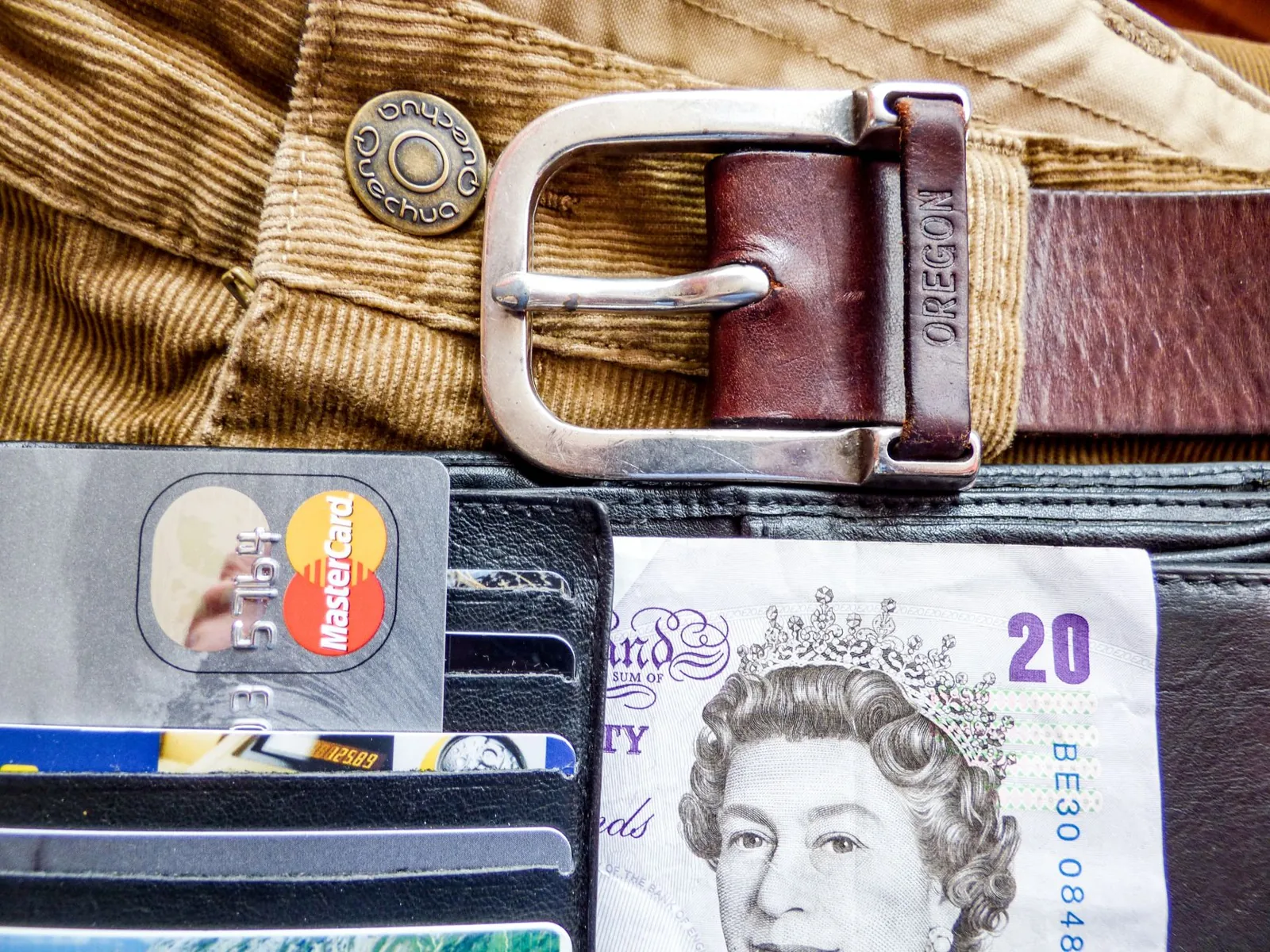
Photo by Pixabay via Pexels
When Luxury Travel Earns Its Price
Luxury wins when time is scarcer than money. If you get fourteen days off a year, spending $250 a night so you are well-rested, central, and never waiting on a missed connection is not a splurge; it is efficient use of scarce vacation days.
It also earns its price on hard logistics. Honeymoons, anniversaries, a once-in-a-lifetime safari, or a trip with older parents are situations where the stress of a shared bathroom or a delayed bus can genuinely ruin the experience. This is where paying to remove friction is the whole point.
Business travel is the clearest case: an employer is paying for your output, and arriving tired or frazzled costs more than the upgrade.
How to Blend Both Styles
Most experienced travelers do not pick a side. They mix them deliberately, and the result is often better than either extreme. A few patterns that work:
- Fly budget, sleep well. Take the basic-economy or low-cost-carrier flight, then put the savings into a good hotel or a room with a private bathroom.
- Luxury activities, budget food. Book the one expensive guided tour or skip-the-line access you care about, and eat at markets for the rest of the day.
- Front-load the splurge. Start the trip with two nights in a great hotel to recover from travel, then drop to cheaper rooms once you have your footing.
- Spend where you sleep. A quiet, safe, well-located room is the single highest-return upgrade; skip everything else.
Credit-card points flatten the whole debate. Using travel hacking with credit cards, a sub-$100-a-night traveler can sometimes book business-class flights and top hotels for nearly nothing. If you want the luxury experience without the luxury budget, this is the fastest path. And if your whole goal is to stretch a small amount of money as far as it will go, start with our guide to how to travel on a budget.
Frequently Asked Questions
Is budget travel safe?
Generally, yes, when you book well-reviewed places and keep your wits about you. The main risks on budget trips are the same as anywhere: choose hostels and guesthouses with strong recent reviews, keep copies of your passport and cards separate, and avoid walking alone late at night in unfamiliar areas. Luxury travel reduces some of these risks but does not eliminate them.
How much cheaper is budget travel really?
Most often 50–80 percent cheaper for the same destination and dates. The gap is biggest on accommodation and ground transport and smallest on flights, where a budget fare and a business-class fare on the same route can differ by ten times but a smart shopper can narrow it considerably.
Does luxury travel mean five-star hotels?
No. Luxury travel is more about removing friction than a star rating. A clean, central hotel with great reviews, a taxi from the airport, and skip-the-line tickets can feel luxurious for a fraction of what a five-star resort charges.
Can I mix budget and luxury on one trip?
Yes, and most long-term travelers do. Spend generously on sleep, location, and the one or two experiences you will remember for years, and save aggressively on food, flights, and ground transport.
Which is better for a first solo trip?
Budget if you are flexible, sociable, and want to stretch your money; luxury if you want a low-stress introduction to a new country. There is no wrong answer, only the wrong match for your temperament.
The Bottom Line
Budget travel vs luxury travel is not a moral contest; it is a resource-allocation problem. Money is one resource and time, energy, and comfort are the others, and the best trips spend each one where it actually buys you something.
If you have more time than money and enjoy the process of finding a deal, go budget and go long. If you have more money than time, or the trip is a rare and important one, pay to remove the friction. Most of us, most of the time, should do a bit of both: spend deliberately on sleep and the moments that matter, and treat everything else as negotiable.
The only real mistake is paying for luxury you do not notice or, just as wasteful, enduring discomfort you cannot recover from. Decide what the trip is for, spend accordingly, and you will get it right far more often than you get it wrong.