
Cheap Eats While Traveling: How to Eat Well for Under $15 a Day
Food is the one budget line that bites hardest when you are on the road. You can skimp on flights, sleep in hostels, and still blow $60 a day on meals without noticing. Cheap eats while traveling does not mean surviving on energy bars, though. It means knowing where locals eat, when to shop, and which cities give you a full meal for the price of a latte back home.
The good news is that eating well is one of the easiest places to cut costs — and it usually tastes better. Street stalls in Bangkok, market lunches in Mexico City, and grocery-store picnics in Paris all beat a sad tourist-trap meal that costs three times as much. What follows is a practical system for finding cheap eats while traveling, drawn from how budget travelers actually feed themselves day after day.
What “Cheap Eats” Actually Costs
The numbers change wildly by region, but a useful baseline is the daily food budget index published each year by The Points Guy’s crew and travel cost sites. As a rough rule of thumb in 2025:
- Southeast Asia (Thailand, Vietnam, Indonesia): $5–$12/day for three street-food meals and coffee.
- Latin America (Mexico, Peru, Colombia): $8–$15/day for market lunches and set menus (menú del día).
- Eastern Europe (Poland, Hungary, the Balkans): $10–$18/day for hearty counter-service food.
- Western Europe and North America: $20–$35/day if you are disciplined, using groceries and lunch specials.
These are averages, not a promise. But the pattern is clear: your money stretches further the closer you eat to where locals actually live, not where tourists gather.
Where to Find Cheap Eats While Traveling
The strongest tool you have is geography. Walk ten minutes away from the main square or landmark and prices drop by a third. Here is where to look.
Markets and Food Halls
Municipal markets and night markets are the single best source of cheap, honest food in most of the world. In Mexico City, a full comida corrida — soup, main, drink — runs 60 to 100 pesos (about $3.50–$6). In Marrakech, the food stalls in the medina feed you well for under 50 dirhams. Even in pricey cities, food halls like London’s Borough Market or Lisbon’s Time Out Market let you sample without an expensive sit-down meal.
The Lunch Menu, Not the Dinner Menu
In much of Europe and Latin America, the prix-fixe lunch is a fraction of the dinner price for near-identical food. A menu del día in Madrid or a pranzo di lavoro in Rome typically lands around €10–€15 for two or three courses. Eat your big meal at midday and go light (or picnic) for dinner.
University Neighbourhoods
Where students eat, food is cheap. University districts reliably have kebab shops, dumpling counters, and noodle joints priced for people with no income. The same logic applies near hospitals and office districts at lunch hour.
Street Food Done Right
Street food is the classic cheap eats answer, but choose stalls with high turnover and a queue of locals. A busy grill means the ingredients are fresh because they never sit. Follow the line.
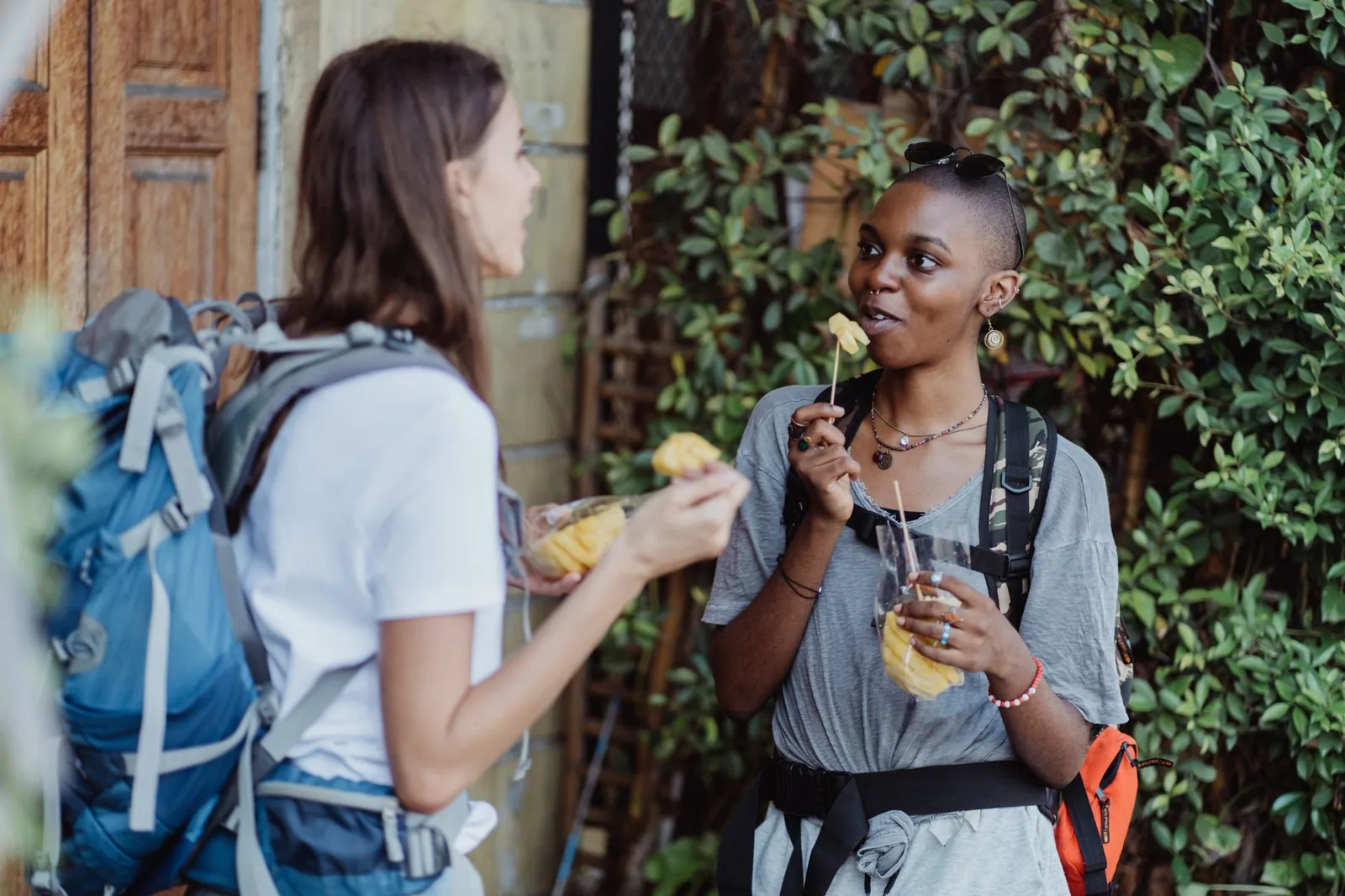
Photo by Ketut Subiyanto via Pexels
Cheap Eats Strategies That Work Anywhere
Beyond location, a handful of habits multiply savings in every country.
- Book lodging with a kitchen once or twice a week. A hostel or Airbnb kitchen turns a €10 grocery run into three meals.
- Eat at the market’s closing hour. Vendors discount produce and prepared food to avoid carrying it home.
- Carry a reusable cup and a few basics. Oats, nuts, and instant coffee cover breakfast cheaply almost anywhere.
- Order the local default. The cheapest thing on the menu is usually the dish the region is known for, made in volume.
- Use local apps, not international ones. Apps like TheFork (Europe) and local delivery apps surface lunch deals tourists miss.
Meal Type Showdown: Where Your Money Goes
Not all cheap meals are equal in quality or volume. Here is how common options compare, assuming a mid-priced European city.
| Factor | Street Food | Set Lunch Menu | Grocery Picnic | Fast-Casual Chain |
|---|---|---|---|---|
| Typical cost | $4–$8 | $10–$15 | $3–$6 | $9–$14 |
| Food quality | High, local, fresh | High, sit-down | You control it | Processed |
| Cultural experience | Excellent | Good | Low | None |
| Convenience | High | Medium | Low | High |
| Best for | Dinner, snacks | Main daily meal | Breakfast, light days | When exhausted |
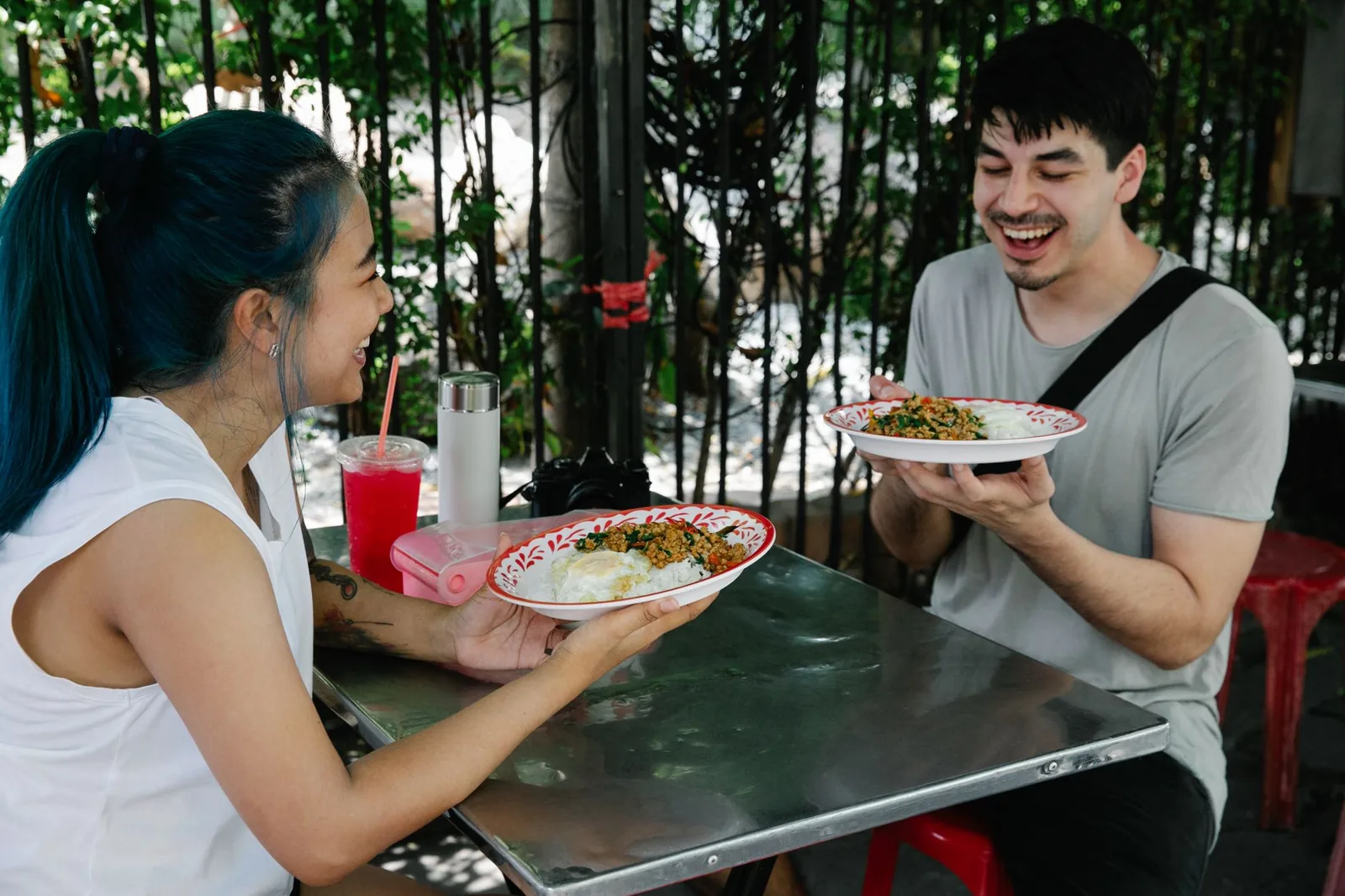
Photo by George Pak via Pexels
Budget Food by Region
Southeast Asia
This is the easiest place on earth to eat well for pocket change. In Vietnam’s cities, a bowl of pho or a banh mi runs $1.50–$3. In Bangkok, a plate of pad krapow with rice and a cold drink is under $3. Eat where office workers queue at noon and you will consistently land under $10 a day.
Latin America
The set-menu tradition is your friend. Peru’s menú (soup, main, drink) is often 12–18 soles, about $3–$5, and is frequently the best meal of the day. Colombia’s corrientazo and Mexico’s comida corrida follow the same model. For more on stretching every peso, our guide to cheap places to travel lists cities where the food budget stays tiny.
Europe
Europe is where discipline pays off. Bakeries handle breakfast (a pastry and espresso for €2–€3 in Spain or Italy), the set lunch menu covers the main meal, and dinner becomes cheese, bread, and fruit from a market. Lonely Planet’s food guides are a solid reference for finding the best-value market halls in any European city.
North America
The hardest region for cheap eats, but not impossible. Taco trucks, banh mi shops, and diner breakfasts keep you under $12 a meal. Grocery-store rotisserie chicken with a salad kit is a known road-trip hack that feeds two people for about $8. Portion sizes are large — splitting one meal is a legitimate strategy.
Tools and Rules of Thumb
A few habits keep cheap eating automatic rather than a daily effort.
- Check the menu price before you sit. If prices are printed without currency or the menu has no numbers at all, walk away.
- Skip the “tourist tax” zones. A rule of thumb: if you can see the main landmark from your table, you are overpaying.
- Drink the cheap stuff. Beer, wine, and coffee can quietly double a meal’s cost. Tap water, house wine, and counter coffee add up to serious savings over a week.
- Learn five food words. Knowing the local words for “lunch special,” “market,” “take away,” and a few dish names unlocks everything.
- Cash helps. Many of the best stalls are cash-only, and card fees at tourist spots inflate prices.
If saving on meals is part of a wider effort, our breakdown of how to travel on a budget ties food, transport, and lodging together, and our backpacking on a budget guide covers how long-term travelers keep total daily costs under $50.
Frequently Asked Questions
How much should I budget for food per day while traveling?
In Southeast Asia and parts of Latin America, $8–$12 a day buys three satisfying meals. In Eastern Europe, budget $12–$18. Western Europe and North America realistically run $25–$35 a day unless you cook in kitchens and lean on grocery picnics.
Is street food safe to eat while traveling?
Generally yes, with one rule: eat where it is busy. High turnover means ingredients rotate fast and food does not sit. Watch for stalls where food is cooked fresh in front of you and locals are queuing. Avoid raw or pre-cut fruit left in the sun and drinking water that isn’t sealed or treated.
What is the single best way to save on food when traveling?
Eat your largest meal at lunch and buy breakfast and dinner from markets and bakeries. The set lunch menu in most countries costs roughly half of the dinner price for the same or better food, and it is a legitimate cultural experience in itself.
Do I need a kitchen in my accommodation to keep food costs down?
No, but it helps enormously. Even one kitchen day a week — a grocery run for pasta, vegetables, and eggs — knocks $10–$20 off the weekly food total and gives you a break from eating out. Hostels almost always have one; many budget hotels and rentals do too.
Which countries are best for cheap eats?
Thailand, Vietnam, India, Mexico, Peru, Colombia, Indonesia, and Morocco consistently deliver excellent meals for a few dollars. In Europe, Portugal, Spain, Hungary, Poland, and Greece offer the best quality-to-price ratio.
The Bottom Line
Cheap eats while traveling is less about sacrifice and more about aiming your meals at the places locals already eat. Markets, set lunch menus, street stalls with a queue, and a few strategic groceries get you better food for a third of the tourist price — and they make the trip more memorable, not less.
Start small on your next trip: replace one restaurant dinner with a market haul, then one more meal at a busy local lunch counter. Watch the daily food total drop from $60 to under $20 while the food itself gets better. That is the whole trick — and it works in every city on the planet.