How to Book Train Tickets and Pay Less for Every Journey
Learning how to book train tickets the right way is the difference between paying $29 for a seat and $129 for the exact same one on the exact same train. Rail pricing is not like airfare, and the rules that apply to Amtrak are not the rules that apply to a London-to-Edinburgh run or a Paris-to-Lyon sprint. Once you understand how each system prices seats, the savings stop being luck and start being predictable.
This guide walks through the booking flow for the three big rail markets US travelers actually use — Amtrak, UK National Rail, and European operators — plus the timing, ticket types, and tools that shave real money off each one. If you already know your route, jump straight to the section on split tickets and railcards; that is where most overpaid fares come from.
How to Book Train Tickets: Where You Buy Matters
Your first decision is not when to book but where. Different platforms charge different fees, show different inventory, and sometimes different prices for the same seat.
For Amtrak, the only place to see the full, fee-free picture is amtrak.com or the Amtrak app. Third-party sites such as Wanderu or Rail Ninja are convenient for comparing bus and rail side by side, but they layer on a service fee — often a few dollars per ticket — and their availability is not always the same as what Amtrak shows directly. Booking direct also means you earn Amtrak Guest Rewards points, which third parties do not credit.
In the UK, the picture flips. Trainline is the easiest place to book because it aggregates every operator, lets you split tickets automatically, and charges no booking fee on most routes in its app (the desktop site has a small fee on some journeys). You can book direct on nationalrail.co.uk, but note that National Rail is a portal — it redirects you to the operator running your train. Neither source marks up the fare itself; the difference is their fee on top.
Across Europe, in-country operators are almost always cheapest when booked direct: SNCF (France), Trenitalia (Italy), Renfe (Spain), Deutsche Bahn (Germany), and ÖBB (Austria). Aggregators like Omio are handy when you are stitching together multiple countries and value a single English-language interface, but they add a booking fee and occasionally show you a more expensive fare class than the operator’s own site would default to.
The rule of thumb: book direct for a single country, use an aggregator for cross-border convenience, and never pay a booking fee when a direct site charges none.
Book Early — and Know Exactly When Fares Drop
Rail fares operate on a release-and-ramp model, not the same algorithm-driven dance as airlines. Understanding the calendar is most of the game.
Amtrak releases inventory 11 months out and prices tickets in “buckets.” A Northeast Corridor coach seat might start around $20–$30 on sale (the famous “Saver” fare), then climb through Value, Flexible, and Business buckets as cheaper seats sell. There is no airfare-style 21-day magic window; the bucket simply rises as seats go. The practical move is to buy Saver and Value fares as soon as you know your dates. If you book a fully refundable fare and the price drops, you can cancel and rebook, pocketing the difference — Amtrak refunds to original payment or E-voucher with no fee on refundable fares.
UK Advance fares are the country’s standout deal. Advance tickets for a specific train go on sale 8–12 weeks ahead on most routes and can be half — sometimes a third — of the walk-up “Anytime” fare. A London-to-Manchester Advance typically runs £25–£45 booked a month out versus £90+ on the day. If you are flexible, use a site like Trainline’s fare finder or a National Rail “cheapest day” tool to see the whole week’s prices at once.
European high-speed operators open sales at wildly different windows, and this is where knowledge pays. SNCF opens Ouigo and TGV books 4–6 months ahead; a Paris–Lyon TGV can be €19–€29 booked early and €70–€90 a week out. Trenitalia’s Frecciarossa opens about 4 months ahead, and its “Super Economy” fares start around €19.90 between Rome and Florence. Renfe’s AVE opens roughly 60–90 days ahead and has been known to shift windows, so set a reminder. Deutsche Bahn opens 180 days ahead, and its “Super Sparpreis” (Super Saver) fares from €17.90 are the cheapest long-distance seats in Europe.
Photo by Leon Natan via Pexels
Amtrak, UK Rail, and Europe: How Each System Works
Because the three markets genuinely differ, a quick orientation saves you from applying the wrong playbook.
Amtrak (US)
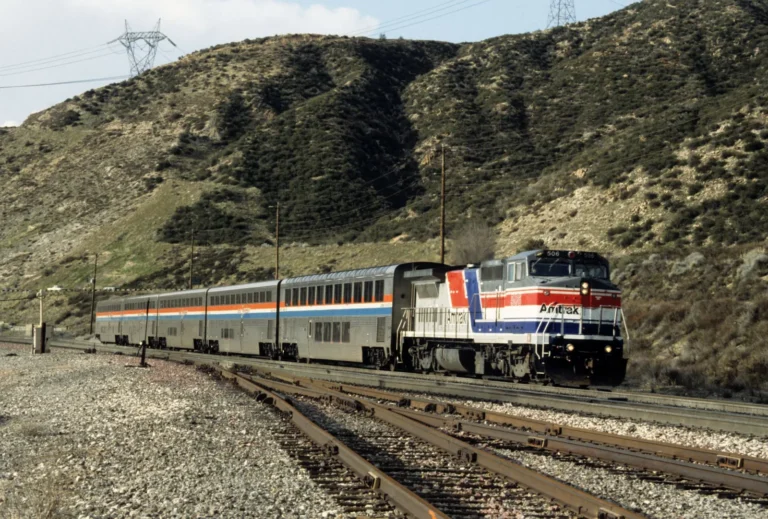
Amtrak is a single national operator, which makes it the simplest of the three to learn. Fares are set by bucket, not by day of week, and long-distance sleeper trains (the Auto Train, the Empire Builder, the Coast Starlight) price rooms separately from coach seats — a Roomette on a two-night route can add $400–$800 per person over coach. Coach seats get incrementally more expensive as the cheaper buckets sell, so early booking matters most on popular corridors like the Northeast. Amtrak runs frequent fare sales, often 20–30% off select routes; signing up for its email list or checking the “Deals” tab is worth it. See our breakdown of Amtrak ticket prices for what each bucket actually costs.
UK National Rail
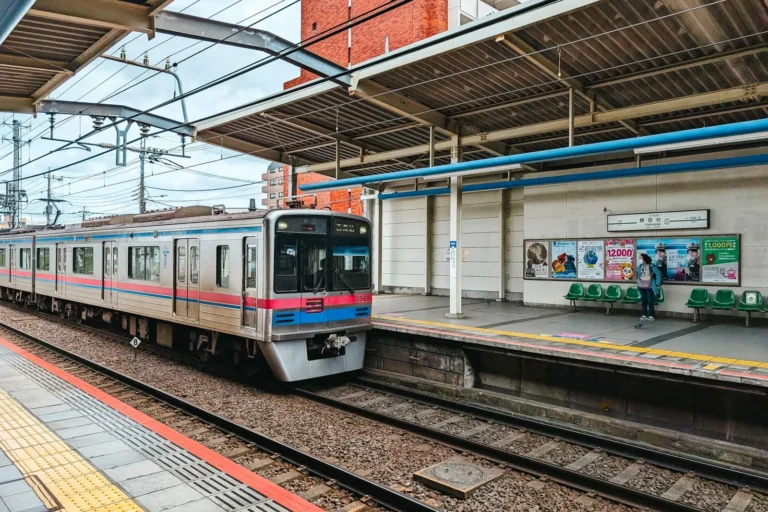
The UK runs one of the world’s most complex fare structures: roughly two dozen private operators running on national tracks, with ticket types (Anytime, Off-Peak, Super Off-Peak, Advance) and, on some routes, “peak” windows that can double the price. The single biggest move is to avoid travelling into London during the 06:30–09:30 morning peak unless you hold a flexible fare or a season ticket — an Off-Peak return to London can be half the Anytime price for a journey just 30 minutes later.
Europe: Operators, Passes, and Ouigo
Europe splits between classic national operators and low-cost high-speed brands. France’s Ouigo and Spain’s Iryo and Ouigo España sell ultra-cheap high-speed seats (Ouigo from €10) with tighter luggage and seat-assignment rules. Beyond single tickets, the Eurail/Interrail pass makes sense for multi-stop itineraries but is genuinely worse value for point-to-point trips since you still pay mandatory seat reservations of €10–€35 on high-speed trains. See our guide to Eurail pass cost before you commit to one.
Ticket Types That Change the Price
The cheapest fare is rarely the best fare, and the wrong fare class can cost you more than the ticket itself when plans change.
| Factor | Flexible / Anytime fare | Advance / Saver fare |
|---|---|---|
| Price | Highest — full or near-full fare | Lowest — often 40–70% off |
| Flexibility | Refundable, any train that day | Locked to one specific train |
| Booking window | Buyable at any time, short notice OK | Must book days to weeks ahead |
| Change fees | Usually none | Usually none or low, but price gap to upgrade |
| Best for | Unpredictable itineraries, business trips | Fixed plans, budget leisure travel |
The hidden cost is in the middle: a “Semi-Flexible” or “Value” fare often charges a change fee plus fare difference, which can erase any savings the moment you move your departure by an hour. If your plans are even 20% uncertain, the difference between a locked Advance and a refundable fare is usually worth the premium.
Split Tickets, Railcards, and Other Timing Tricks
Several tactics cut the price without changing where or when you travel.
- Split ticketing (UK especially). A single London-to-York ticket often costs more than two tickets — London-to-Peterborough plus Peterborough-to-York — on the same train, same seat. Split-ticketing sites (Trainline does this automatically; SplitMyFare is another) find these splits, and you simply show both tickets. Savings of 20–40% are routine.
- Railcards (UK). The 16–25 Railcard, 26–30 Railcard, Two Together Railcard, and Senior Railcard cost £30 a year and take a third off most fares. Two or three trips a year pays for the card.
- Off-peak and “Super Off-Peak” windows. UK fares drop sharply outside peak hours, and some European operators (SNCF’s “Prem’s,” Trenitalia’s Economy tiers) price specific departures cheaper than others on the same route.
- City pairs with real competition. Open-access competition pushes prices down: in the UK, Lumo and Grand Central on the East Coast route; in Spain, Iryo and Ouigo against Renfe; in France, Ouigo against SNCF inOui. Always check the challenger before the incumbent.
- Seat-reservation math for Eurail holders. If you do hold a pass, remember high-speed reservations are compulsory and add up fast — budgeting €10–€15 per reserved leg is a realistic rule.
Photo by Sunny Li via Pexels
Common Mistakes That Cost You Money
Most overpaying comes from a handful of avoidable habits.
Booking the first fare you see. On many European operator sites, the landing page highlights a flexible or first-class fare. Look for the filter that forces “cheapest” and “specific train” before checking out.
Ignoring the booking fee line. Aggregators hide fees until the final screen. If a direct operator site shows the same fare with no fee, close the aggregator tab.
Buying a pass for a point-to-point trip. A Eurail pass for three cities is usually more expensive than three Advance fares once reservations are counted. Passes win on itineraries with six-plus travel days and open plans.
Mixing up station names. “London” is a dozen stations; King’s Cross and St Pancras and Euston are separate and not always close. Booking a train arriving at St Pancras when you need to change at King’s Cross can turn a 10-minute connection into a missed train.
Leaving short-haul flights as the default. For many 200–400-mile corridors, the train is cheaper door-to-door once you factor airport transfers and baggage fees. We compared the numbers in train vs plane cost and the train wins more often than most people assume, especially at whether the train is cheaper than flying on short hops.
Frequently Asked Questions
What is the best website to book train tickets?
It depends on the country. Use Amtrak directly in the US, Trainline in the UK, and the national operator (SNCF, Trenitalia, Renfe, Deutsche Bahn, ÖBB) in each European country. Aggregators like Omio and Trainline are best for cross-border trips with a single English interface.
How far in advance should I book train tickets?
As early as possible for cheap Advance or Saver fares: 11 months for Amtrak Saver buckets, 8–12 weeks for UK Advance fares, roughly 4–6 months for SNCF and Trenitalia, and up to 180 days for Deutsche Bahn. The cheapest seats sell first on every one of these systems.
Are train tickets cheaper on the day of travel?
Almost never for long-distance travel. Walk-up “Anytime” fares in the UK and top-bucket Amtrak fares are the most expensive ways to ride. Short commuter journeys and local trains are the exception, where prices are flat regardless of when you buy.
Can I get a refund if my plans change?
Only if you bought a flexible or refundable fare. UK Advance fares are generally non-refundable (often changeable for a fee plus fare difference), and European Super Economy fares are non-refundable. Amtrak’s refundable buckets allow free cancellation, which is why they can be worth the premium.
Do I need a rail pass for a short Europe trip?
Rarely. For three or four fixed point-to-point journeys, Advance tickets and cheap high-speed operators beat a Eurail pass most of the time, especially once compulsory seat reservations are factored in.
The Bottom Line
Knowing how to book train tickets is mostly about matching the right tool to the right market and buying before the cheap buckets empty. Book Amtrak direct and early, use Trainline or a split-ticketing tool in the UK, and go straight to the national operator in Europe — then hold out for Advance and Super Saver fares instead of accepting the flexible default.
Before you book, run the four-second checklist: direct site over aggregator when fees differ, Advance fare over Anytime, off-peak over peak, and a split-ticket check on any UK journey over 100 miles. Do those four things and the same seat routinely costs a third less.
For more on rail budgeting, read our guides to Amtrak ticket prices, Eurail pass cost, and how to travel Europe by train, and check NerdWallet’s Amtrak fare guide plus Rick Steves’ advice on European rail passes for the authoritative view.