
Solo Female Travel Tips: Stay Safe, Save Money, and Travel Smarter
Traveling alone as a woman is one of the most liberating things you can do, but it also comes with a stack of questions most guides gloss over. Where are you actually safe? How much should you budget? What do you do when a stranger won’t leave you alone outside your hostel? These solo female travel tips answer the practical stuff so you can book the flight and go.
I’ve traveled solo through Southeast Asia, Europe, and the Americas over the past decade, and I’ve learned that most solo trip problems are preventable with a little planning and a few firm habits. The rest is confidence you build as you go.
Here’s what works — and what doesn’t.
Why Solo Female Travel Is Worth It
The best part of traveling alone isn’t Instagram-worthy scenery. It’s the fact that every decision is yours. You wake up when you want, change the itinerary on a whim, and never negotiate a restaurant choice with a cranky travel partner. That freedom changes how you see yourself, usually for the better.
It also forces independence in a way group travel never does. You learn to read train schedules in a foreign language, ask for help from strangers, and solve problems on your own when a booking falls through. Those are real skills that carry back into daily life.
The trade-off is that you’re carrying the entire weight of planning and safety. That’s fine — it just means being intentional about a few things before you leave.
Safety-Focused Solo Female Travel Tips That Actually Work
Safety is the first thing most women ask about, and it’s the easiest to get wrong. These are the habits that have kept me out of trouble, not the fear-bait rules you see in comment sections.
Before You Leave
- Register your trip with your government’s traveler program. U.S. citizens can use the free STEP program; the UK, Canada, and Australia offer equivalents. It takes five minutes and means the local embassy knows you’re there if something goes wrong.
- Buy travel insurance that covers medical evacuation, not just lost luggage. A hospital stay abroad can cost thousands, and an evacuation can cost tens of thousands.
- Share your full itinerary and your accommodation addresses with one trusted person at home, and check in daily. Set a simple rule: if you miss a check-in by 24 hours, they call you, then the accommodation, then the embassy.
On the Ground
- Arrive in new cities in daylight whenever possible. Navigating an unfamiliar neighborhood at 1 a.m. with a bag on your back is the single riskiest moment of most trips.
- Book your first night’s stay before you land, even if you wing the rest. You want a known address to head straight to.
- Learn three phrases in the local language before you go: “no,” “leave me alone,” and “I need help.” Practice saying them out loud.
- Trust your gut over politeness. If a person or a situation feels off, you don’t owe anyone an explanation. Walk into the nearest shop, hotel lobby, or busy restaurant and wait it out.
- Consider a plain silicone wedding band and a ready line like “I’m meeting my husband.” It’s not a guarantee of safety, but it ends a surprising number of unwanted conversations quickly.
For a deeper look at managing risk on the road, the practical guidance at U.S. News Travel is a solid starting point, and it mirrors what I’ve learned from experience: awareness beats gadgets every time.

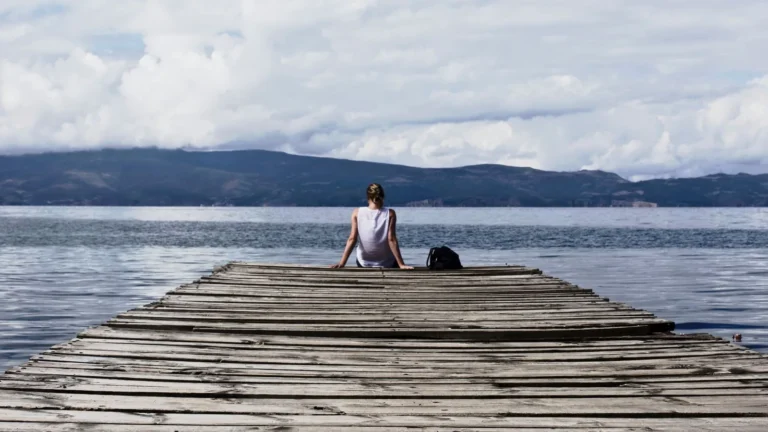
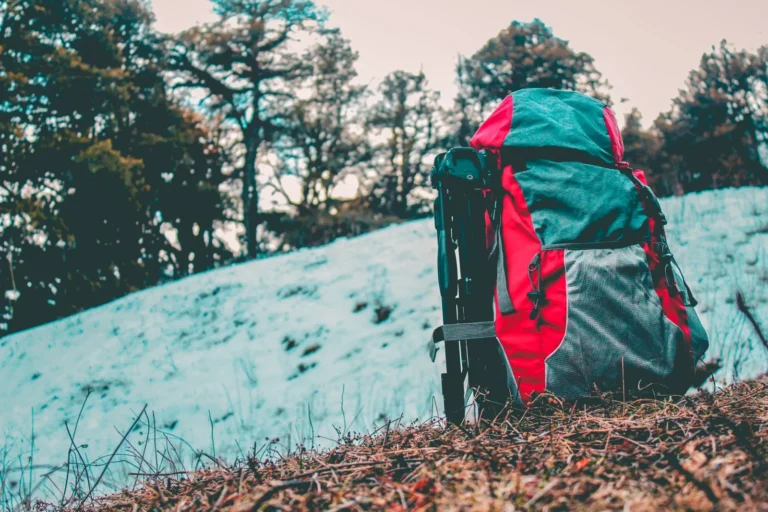
Photo by Zozi Molina via Pexels
Choosing a Safe, Rewarding Destination
Pick your destination partly based on how easy it is to be alone there. Places with strong public transit, widespread English (or signage you can read), and a visible culture of women walking alone at night tend to be the most comfortable for a first or tenth solo trip.
Here’s how a few popular options compare on the factors that matter most for women traveling alone.
| Factor | Lisbon, Portugal | Kyoto, Japan | Chiang Mai, Thailand |
|---|---|---|---|
| Safety for solo women | Very high | Very high | High |
| Ease of getting around | Easy (metro, trams) | Easy (trains, buses) | Easy (grab, tuk-tuks) |
| Approx. daily cost | $60–$90 | $80–$110 | $30–$50 |
| Best for | First-time solo travelers | Culture and calm | Budget and nature |
Lisbon is my default recommendation for a first solo trip: it’s compact, affordable for Western Europe, and locals are used to tourists moving around alone. Kyoto appeals if you want a quieter, more structured trip, and Chiang Mai is unbeatable when money is tight. We keep a longer list of standout options in our guide to the best places for solo travel.
Budgeting: What a Solo Trip Really Costs
Traveling alone almost always costs more per person than traveling in a couple, mostly because you can’t split accommodation. Budget for that up front instead of being surprised mid-trip.
Rough numbers for a week-long trip from a U.S. gateway:
- Flight: $400–$900 round trip to Europe or Asia, less if you’re flexible on dates
- Hostel dorm bed: $15–$45 per night; a private room runs $40–$90
- Food: $15–$40 per day if you mix grocery runs with local restaurants
- Transport and activities: $10–$30 per day on average
A realistic solo budget lands around $60–$120 per day in most of Europe, dropping to $35–$60 in Southeast Asia. To trim costs, travel in the shoulder season (April–May or September–October for most of Europe), book flights 1–3 months out, and take the train instead of flying between nearby cities. If you’re new to going it alone, our how to travel solo guide walks through the planning basics step by step.

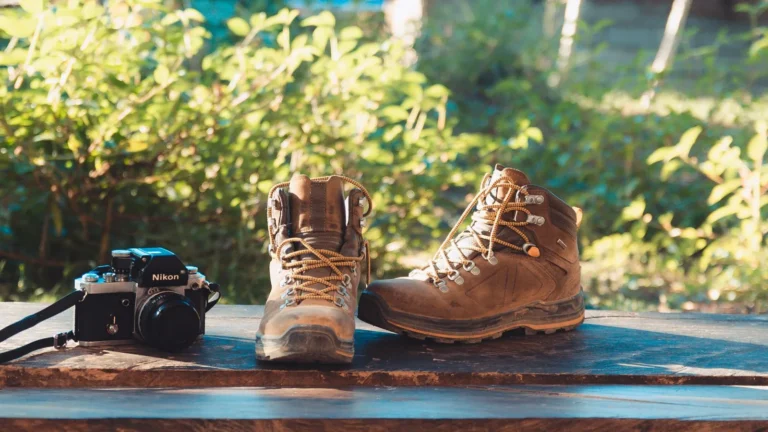
Photo by Sebastiaan Stam via Pexels
Packing Light and Packing Smart
You’ll regret everything you overpacked on day two, when you’re hauling a 15-kilogram suitcase up a hostel stairwell. Aim for a carry-on and a small day bag, and bring a few things specifically for solo safety and comfort.
- A crossbody bag with a zipper you can clip shut beats a backpack for keeping your valuables where you can see them.
- Two debit/credit cards from different banks, kept in separate places, so one lost or frozen card doesn’t strand you.
- A portable door lock and a rubber doorstop add a cheap layer of security to hostel rooms and guesthouses.
- Downloadable offline maps in the local language, plus a translation app, cover you when there’s no signal.
- A reusable water bottle and basic first-aid kit (painkillers, blister pads, anti-diarrheal) save real money and real discomfort abroad.
Packing light isn’t just about convenience; it’s a safety decision. When everything fits on your body, you move faster, blend in more easily, and always have both hands free.
Staying Connected and Meeting People Safely
Solo travel doesn’t mean lonely travel, and meeting people on the road is half the fun. The trick is doing it on your terms.
- Choose social hostels with a common room or organized walking tours if you want company. Read recent reviews — platforms like Booking.com and Hostelworld make it easy to spot a social vibe.
- Join a free walking tour on your first morning. It’s the fastest way to get your bearings and meet other travelers without committing to anything.
- Tell other travelers and hostel staff roughly where you’re going and when you expect to be back. Locals and fellow guests looking out for you is a real safety net.
- Keep a local SIM or an eSIM with data, and carry a small power bank so your phone never dies at a bad moment.
- If a new acquaintance invites you somewhere remote, suggest a public place instead, and let someone know who you’re with.
If you’re meeting someone you connected with online, treat it like a first date at home: public setting, separate transport, tell a friend. For a deeper treatment of personal security abroad, our solo travel safety tips guide goes into more depth.
Frequently Asked Questions
Is solo female travel actually safe?
For the vast majority of women, yes — with basic precautions. Millions of women travel alone every year without incident. The risks that do exist are usually minimized by the habits above: arriving in daylight, staying aware of your surroundings, and trusting your instincts.
What is the best country for a first solo female trip?
Portugal, Japan, Iceland, and New Zealand are consistently rated the most comfortable for first-timers. They combine low crime rates, reliable transit, and widespread English. Lisbon or Reykjavik are great places to start.
How much should I budget for a week of solo travel?
Plan on roughly $60–$120 per day in Western Europe and $35–$60 per day in Southeast Asia, including accommodation, food, and transport. Flights are extra and should be booked separately.
Is solo travel lonely?
It can be, especially in the evenings, which is why staying in social hostels, booking group tours, and scheduling regular calls home make a big difference. You’ll usually find more company on the road than you expect.
Do I need to tell people I’m traveling alone?
You decide, but I generally don’t volunteer that I’m alone to strangers, especially late at night. A simple “I’m meeting friends” is a perfectly reasonable answer that keeps your situation private.
For safety advice, Lonely Planet publishes solo female travel tips.
The Bottom Line
Solo female travel isn’t about being fearless; it’s about being prepared. Pick a destination that suits your experience level, budget a little extra for the solo premium, pack light, and build a few simple safety habits. Do that, and the biggest risk you’ll face is not wanting to come home.
If you’re ready to start planning, our guide to the best places for solo travel will help you pick a first destination, and Lonely Planet’s women’s travel resources are worth bookmarking for region-specific advice. The hardest part isn’t the trip — it’s booking the first ticket.