Scuba Diving Cost: What You’ll Actually Pay in 2026
Scuba diving cost confuses a lot of first-timers, mostly because the sticker price you see online is rarely the whole story. A “$99 discover scuba” deal turns into $350 by the time you add rental gear, park fees, and the boat ride. On the flip side, a $600 certification can feel cheap once you learn it never expires and buys you a lifetime of dives anywhere on earth.
This guide breaks down what you’ll actually pay at every step — from a one-time resort try-dive to full certification, your own gear, and the ongoing cost of diving on vacation. Numbers are realistic 2026 US-dollar ranges, checked against live pricing from dive shops in Florida, Mexico, Thailand, and the Red Sea.
What a Scuba Diving Cost Actually Includes
Before you budget, it helps to know what you’re paying for. Most diving expenses fall into four buckets, and each one hits your wallet at a different point in the journey.
The Discovery Dive (Try It First)
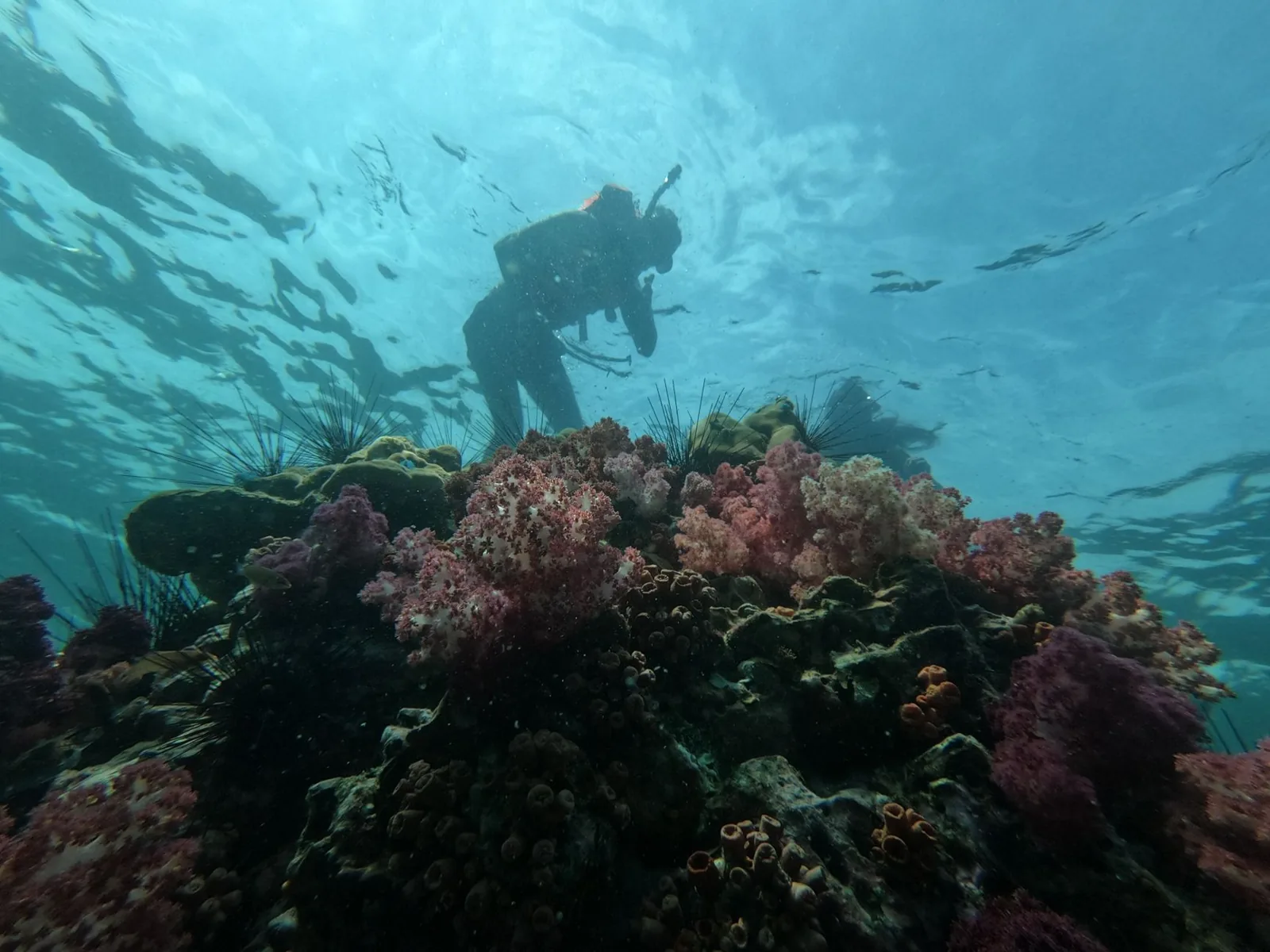
If you’ve never breathed underwater, don’t spend anything big yet. A Discover Scuba Diving experience — a shallow, instructor-led session — runs $75 to $150 in the US and Caribbean. In Southeast Asia the same thing often costs $40 to $80. You’ll watch a short video, practice a few skills in a pool or calm lagoon, then do one open-water dive.
This is the cheapest way to find out whether you actually like it. Roughly one in five people never moves past this stage, which is exactly why it exists.
Open Water Certification
The main event is the PADI or SSI Open Water Diver course, the entry-level certification that lets you dive without an instructor. Expect to pay:
- $300 to $600 in Florida, Texas, and coastal California
- $250 to $450 in Mexico, Belize, and Honduras
- $250 to $400 in Thailand, the Philippines, and Indonesia
- $400 to $700 in Australia and New Zealand
The cheaper tropical prices are the whole reason so many people get certified on vacation rather than at home. A three-day course in Koh Tao often costs less than a single weekend of pool sessions in Miami.
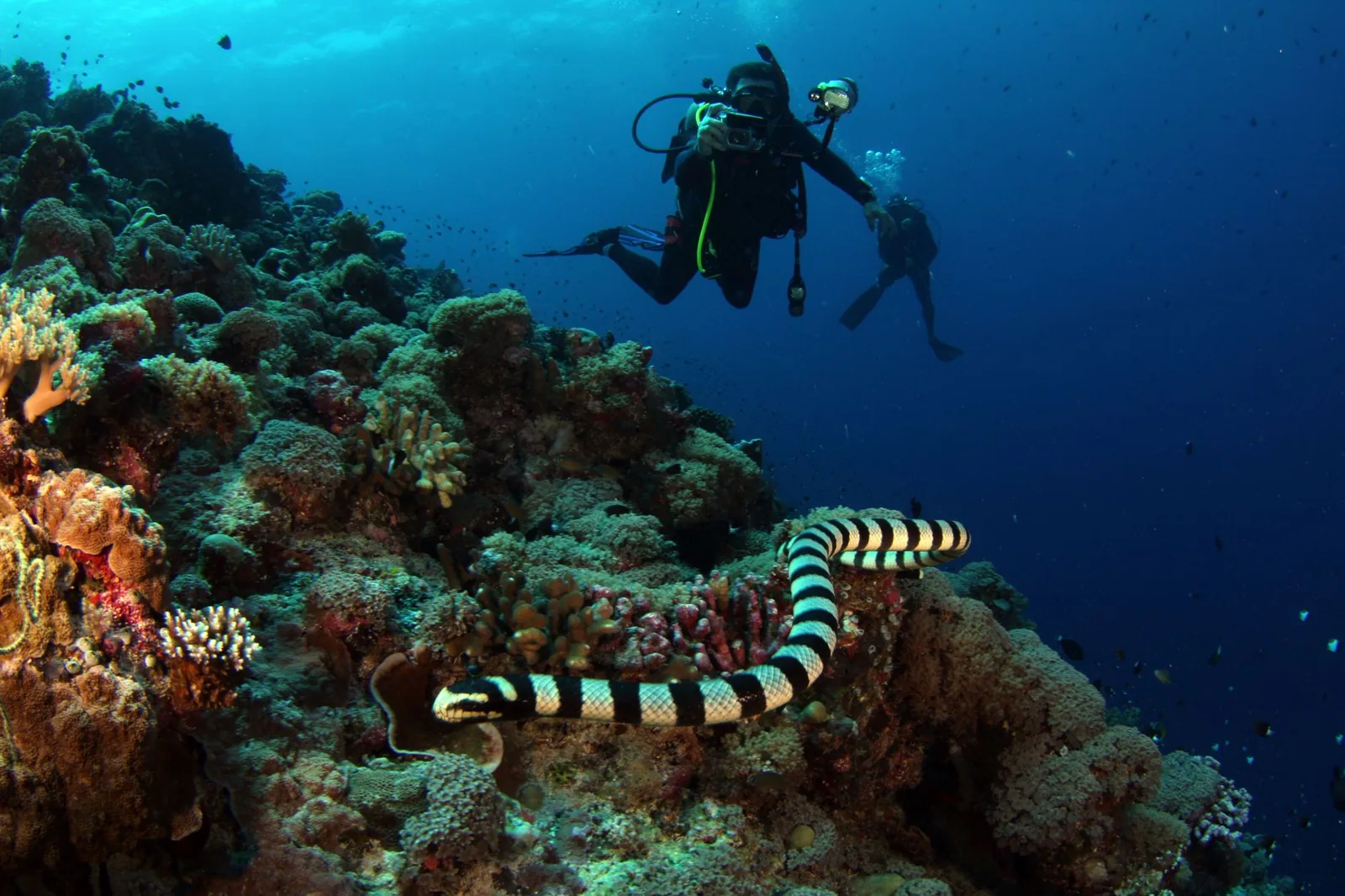
Photo by Graham Henderson via Pexels
The Certification Gap: What’s Never Included
Here’s where people get surprised. The advertised course price usually excludes:
- Study materials — the e-learning pack runs $150 to $200 (some shops bundle it, many don’t)
- Rental gear for the course — $50 to $100 if not included
- Boat and marine-park fees — $20 to $60 per day in places like Cozumel or the Great Barrier Reef
- A logbook and certification card — $30 to $60 for the physical card (digital is sometimes free)
Realistically, add $200 to $300 on top of any quoted course price to get your true out-the-door number. That turns a “$399 course” into about $600 all-in — still a fair deal for something that never expires, but not the number you should wire your brain around.
Scuba Diving Cost by Experience Level
Your costs change shape as you go from “first-timer” to “certified diver,” and then again if you go all-in with your own equipment.
| Factor | First-Timer (Discover) | Newly Certified | Committed Diver |
|---|---|---|---|
| Upfront cost | $75–$150 | $300–$600 + $200 fees | $1,500–$3,000 (gear) |
| Gear | All rented | Rental per trip | Owns full kit |
| Per dive afterward | N/A | $40–$100 (guided, rental) | $15–$40 (tank + boat) |
| Best value region | SE Asia | Mexico / Honduras | Anywhere you dive often |
A certified diver who still rents pays roughly $40 to $100 per dive on a guided boat trip. A diver who owns her kit pays mostly for the boat and a tank fill — usually $15 to $40 per shore dive, more for boat trips with a guide. The gear pays for itself if you’re diving more than a couple of trips a year.
Buying Your Own Gear: The Real Numbers
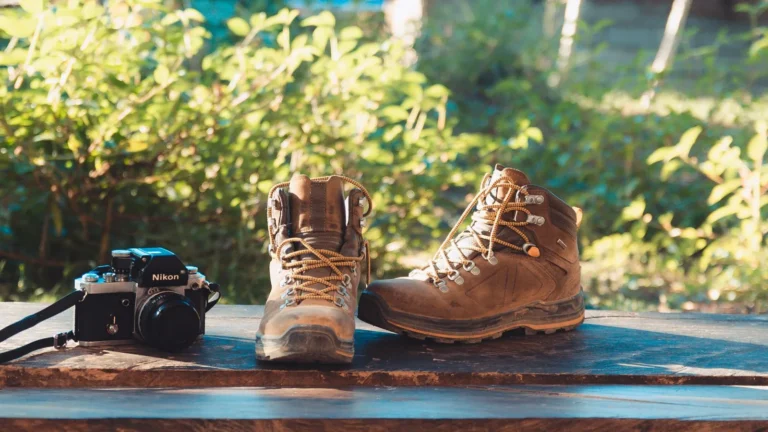
Owning gear is the single biggest decision in your scuba diving cost journey. You can spend $1,500, spend $5,000, and in both cases end up with a perfectly good setup that safely gets you underwater. Prices scale with comfort, features, and brand.
A sensible minimum kit, shopped patiently:
- Mask, snorkel, fins — $150 to $400 total. Buy these first; a mask that fits beats any rental.
- Regulator set (first and second stage, octopus) — $400 to $900
- BCD (buoyancy control device) — $300 to $700
- Dive computer — $200 to $600 entry-level, $600+ for air-integrated
- Wetsuit — $150 to $400 depending on thickness and water temp
That’s $1,200 to $3,000 for a full cold-water-capable kit. Tropical-only divers can skip the thick suit and land closer to $1,000 to $1,800.
The smart ordering: buy mask and fins immediately after certification, rent the rest through your first 10–20 logged dives, then add the regulator and BCD once you know what you like. A used regulator from a shop’s trade-in program can save you 40–50%.
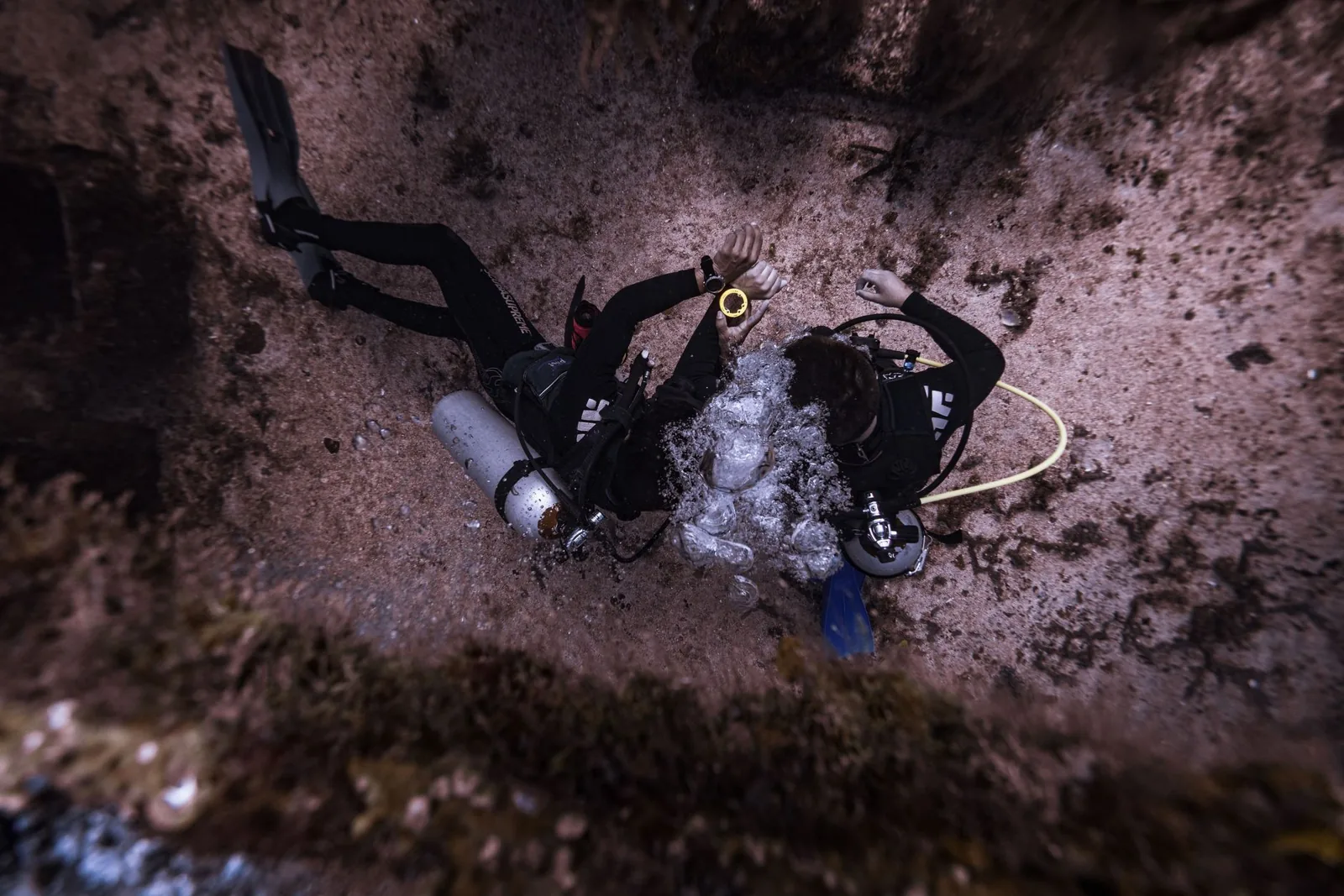
Photo by Harvey Clements via Pexels
Ongoing Costs You’ll Actually Keep Paying
Certification is a one-time cost. Diving is a hobby with real recurring fees, and they’re higher than people expect.
- Tank fills — $5 to $15 per fill at most shops; $10–$25 with a nitrox fill
- Boat trips — $80 to $150 for a two-tank charter in Florida or the Caribbean
- Shore dives with a buddy — often just the cost of the tank plus a $10–$20 site fee
- Gear servicing — budget $100 to $200 per year for regulator and BCD annual service
- Travel insurance with dive coverage — $50 to $150 per trip; standard policies often won’t cover depth or decompression illness, so check
The single best way to keep your scuba diving cost from ballooning is to plan dive trips where the diving is the vacation. Places like Roatán, Cozumel, and Bonaire have walk-in shore diving or cheap boat packages — a week of daily two-tank dives can cost half what the same volume would in Hawaii or the Maldives.
For more on planning the framework around those trips, start with our guide to solo travel and the best places for solo travel when you’d rather not drag a buddy along.
Where. Diving Is Cheapest — and Most Expensive
Location is the biggest single variable in scuba diving cost, bigger than gear or experience level.
Cheapest places to dive (2026 ranges for a two-tank boat trip):
- Koh Tao and the Andaman coast, Thailand — $60 to $90
- Amed and Nusa Penida, Bali — $70 to $110
- Roatán and Utila, Honduras — $70 to $100
- Dahab and Sharm el-Sheikh, Egypt — $50 to $80
- Puerto Galera and Coron, Philippines — $70 to $100
Most expensive places to dive:
- Hawaii (Kona, Maui) — $150 to $220 for a two-tank boat trip
- Great Barrier Reef, Australia — $180 to $300 for a liveaboard-style day
- Maldives resort-attached dive centers — $200 to $350 for a two-tank trip
- California boat diving (Channel Islands) — $130 to $180
The Red Sea’s Dahab and Southeast Asia keep winning on price. If you’re chasing bucket-list wrecks and pinnacles instead, flight costs to remote atolls often dwarf the diving itself — so a cheaper dive destination with a direct flight usually beats a world-famous site three connections away.
If you like the idea of stacking several budget-friendly experiences into one trip, our roundup of adventure travel destinations is a good next read.
Frequently Asked Questions
How much does it cost to get scuba certified?
$300 to $600 for the course itself in the US, plus $200 to $300 in materials, rentals, and fees. In Southeast Asia the full package often totals $500 to $700, and in Mexico or Honduras it’s typically $450 to $650 all-in.
Is scuba diving an expensive hobby?
It can be, but it doesn’t have to be. A newly certified diver who rents gear and dives a few times a year might spend $500 to $1,000 annually. Owning gear costs $1,500 to $3,000 upfront but drops per-dive costs to $15 to $40, which is roughly the price of a movie-and-dinner night out.
Do I need my own gear to scuba dive?
No. Nearly every dive shop rents masks through regulators, and rental in cheap destinations runs $20 to $40 per day. Buying your own mask and fins first (because fit matters) is the one upgrade worth doing early; rent the rest until you’re sure you’ll keep diving.
How much does a scuba diving trip cost?
A week-long dive-focused trip runs $1,200 to $2,500 for flights, lodging, and five to six days of two-tank boat diving in a budget destination like Honduras or Egypt. The same week in the Maldives or on the Great Barrier Reef can push north of $4,000.
Is certification worth it if I only dive on vacation?
Yes, and this is the most common profile. A certification never expires, costs the same as one or two days of guided “resort dives” over a few vacations, and typically pays for itself within two dive trips once you stop paying the premium guided-dive rates.
The Bottom Line
Scuba diving cost breaks down into one clear pattern: a modest one-time entry fee, then a steady, predictable cost per dive. Budget $75 to $150 to try it, $500 to $800 all-in to get certified somewhere warm, and $1,500 to $3,000 if you decide to buy a full kit. After that, diving costs what any good hobby costs — a few hundred a year if you’re casual, more if you’re chasing wrecks on the far side of the planet.
The best advice isn’t to spend more or less; it’s to match your spending to your commitment. Try a discovery dive first, get certified where it’s cheap and the water’s warm, and buy gear in the order your own frustration tells you to. Do that, and every dollar is money spent on something you’ll actually use.