How Much Does an African Safari Cost? A 2026 Price Guide
An African safari is one of the most expensive trips most travelers will ever book — but it does not have to be. How much does an African safari cost? In 2026, most people spend between $1,500 and $5,000 per person for a five-to-seven-day trip, excluding international flights, while a luxury fly-in stay easily passes $10,000. The gap between those numbers comes down to where you go, how you move around, and when you book.
This guide breaks down real price ranges for every safari style — from self-drive budgets in South Africa to private-guide camps in Botswana — so you can plan a trip that fits your money instead of guessing.
What Determines How Much an African Safari Cost
Safari pricing confuses people because two travelers can sit in the same national park, see the same lions, and pay wildly different amounts. The difference is almost never the animals. It is the delivery.
Five factors move the price most:
- Destination. A day in South Africa’s Kruger is far cheaper than a day in Botswana’s Okavango Delta. Park entry fees, local infrastructure, and lodging supply all vary by country.
- Accommodation level. A public campsite might run $20 a night. A luxury tented camp with a plunge pool and private guide runs $800 to $2,500 a night. Lodging is typically 40–60% of your total.
- Season. Peak dry season (roughly June–October in East and Southern Africa) commands the highest rates and the fewest deals. Green season prices can drop 20–40%.
- Private vs. shared. A private vehicle and guide for two people costs far more per person than joining a shared group vehicle, though both see the same wildlife.
- Road vs. fly-in. Driving into the bush is slow but cheap. Light-aircraft transfers to remote camps add hundreds of dollars per leg — and some camps are fly-in only.
The single biggest lever is accommodation style. Nearly everything else is a percentage of that choice.
Where the Money Goes: A Typical Budget Breakdown
To understand how much does an African safari cost, it helps to see the bill item by item. Here is how a typical seven-day mid-range safari in Kenya breaks down per person:
- Accommodation (7 nights): $1,400–$2,100 (lodges and tented camps, full board)
- Park and conservancy fees: $350–$500
- Guide and 4×4 vehicle: $600–$900
- Internal transfers: $150–$250
- Drinks, laundry, small extras: $100–$200
- Tips (guide, staff, driver): $80–$150
- Total (excluding international flights): roughly $2,700–$4,100
International flights sit on top of that. Round-trip economy fares from major US gateways to Nairobi or Johannesburg run about $800–$1,400 (more in July and August), and from London roughly $600–$900. Booking six to nine months out usually gets you the best routing and fare.
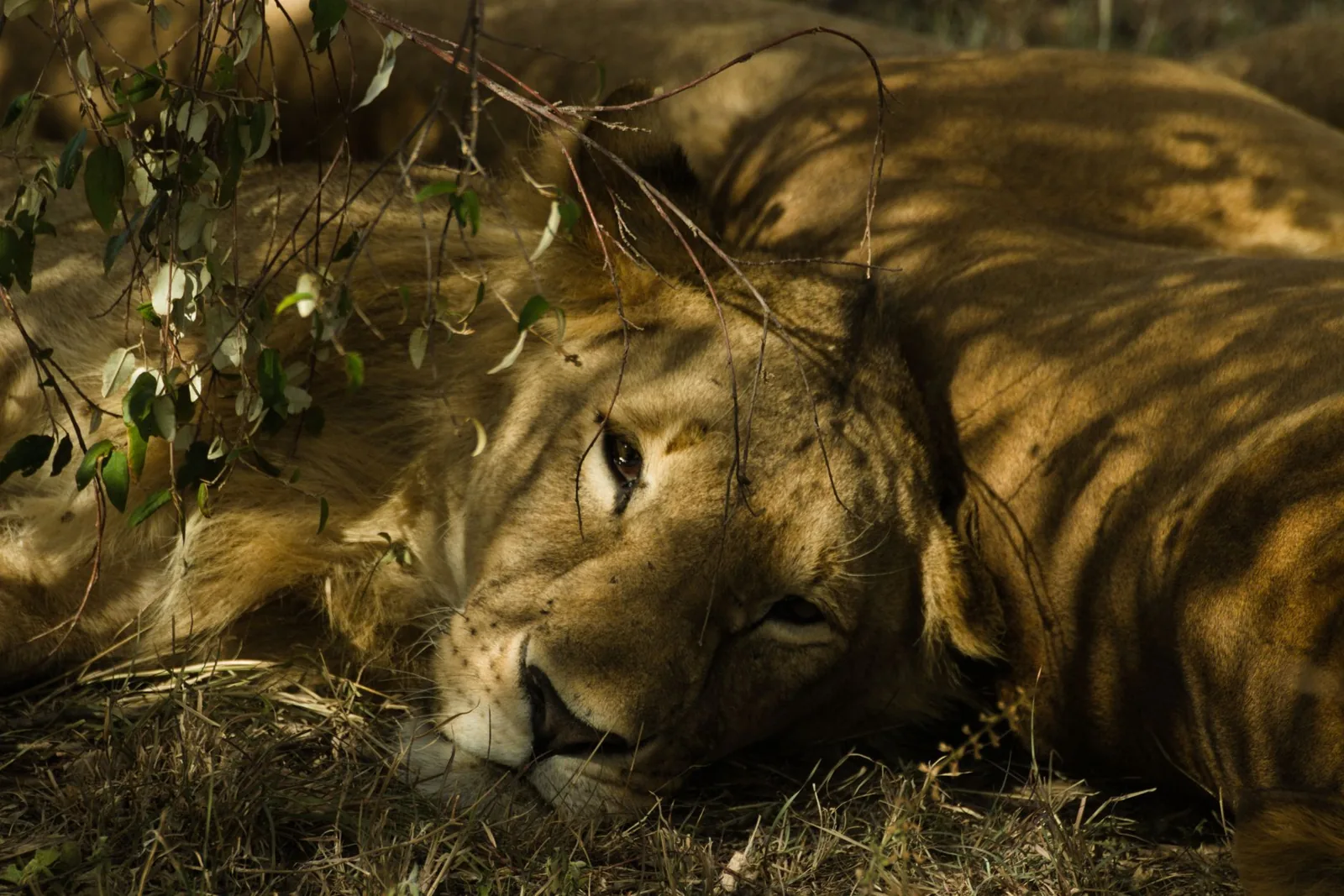
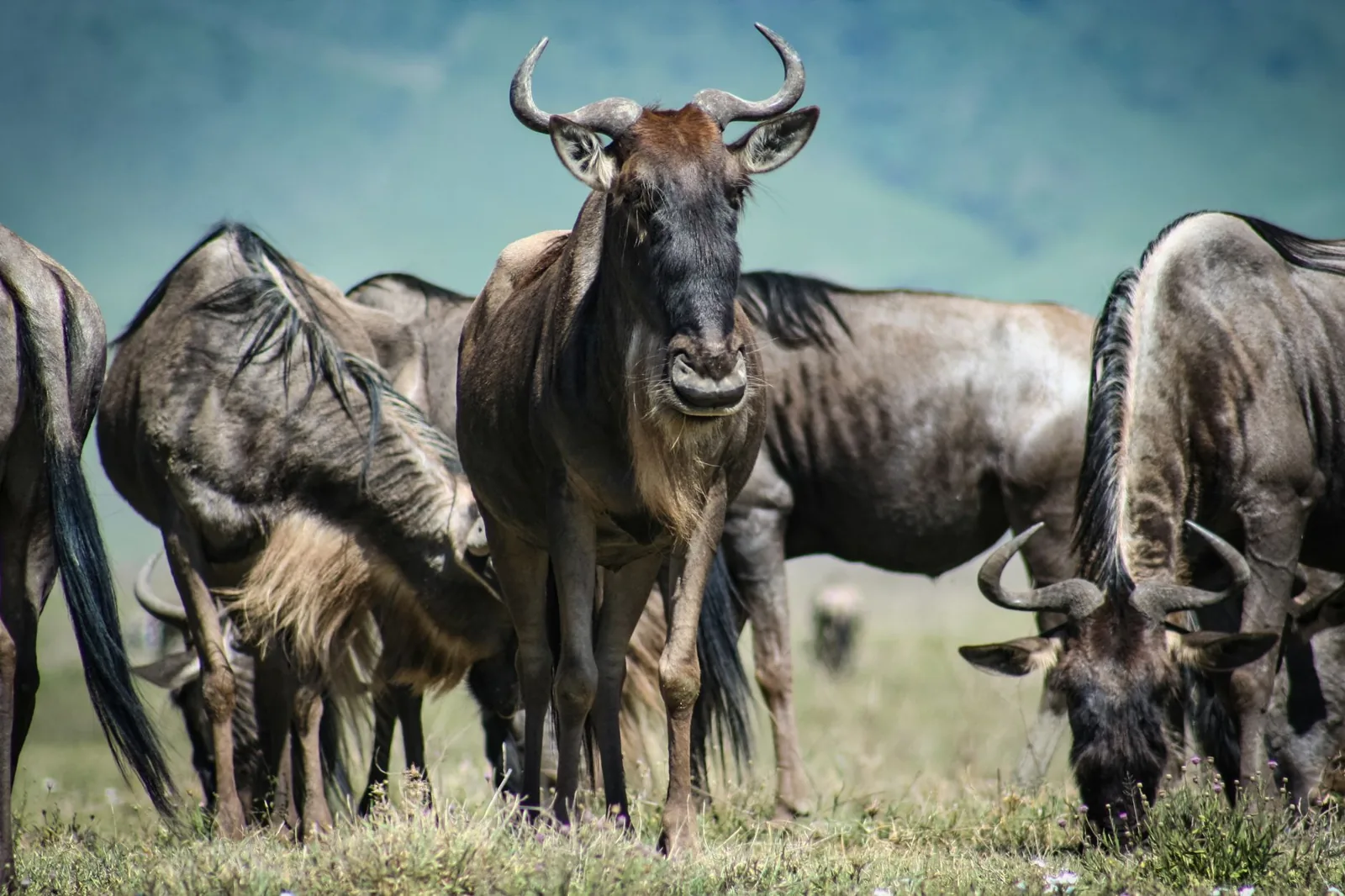
Photo by Philipp Schwarz via Pexels
How Much Does an African Safari Cost by Style
The easiest way to bracket your budget is to pick a style first. Costs for a seven-day trip, per person, excluding international flights:
| Safari style | Typical per-person cost (7 days) | What you get |
|---|---|---|
| Budget (self-drive / camping) | $900–$1,800 | Public campsites or basic lodges, self-drive or shared vehicle, DIY meals |
| Mid-range (lodges / tented camps) | $2,500–$5,500 | Full-board lodging, shared game drives, standard guides |
| Luxury (private camps / fly-in) | $7,000–$15,000+ | Private guide, fly-in transfers, gourmet food, small exclusive camps |
- Budget. Best value in South Africa (Kruger and nearby reserves) and Namibia, where self-drive is safe and well supported. You rent a 4×4 ($60–$120 a day), pay park entry, and cook. Tight but completely doable.
- Mid-range. The sweet spot for most first-timers. Covers the classic East Africa circuit — Maasai Mara, Serengeti, Ngorongoro — with lodges, a professional guide, and game drives included.
- Luxury. Botswana’s Okavango Delta, Zambia’s Lower Zambezi, and Rwanda’s Volcanoes National Park dominate here. You trade cost for exclusivity, small camps, and near-total comfort.
A solo traveler pays more per person because private rooms and private vehicles aren’t split. If you travel alone, either join a small-group departure (which shares the vehicle cost) or accept a single-supplement on your room. For more on going alone, see our guide on how to travel solo.
Country-by-Country Safari Prices in 2026
Where you point the plane matters as much as how you sleep. Realistic per-person ranges for a week, mid-range comfort, excluding flights:
- South Africa (Kruger): $1,000–$2,500. The cheapest major safari destination. Self-drive entry runs about $30 a day for international visitors; guided lodges push you into the mid-range band.
- Kenya (Maasai Mara): $2,200–$4,500. Conservancy fees run roughly $80–$120 a day, and the Great Migration months of July–September carry a premium.
- Tanzania (Serengeti + Ngorongoro): $2,800–$5,500. Park fees, crater service fees, and long distances make northern Tanzania the priciest of the mainstream East Africa circuits.
- Namibia (Etosha): $1,200–$2,800. Self-drive-friendly with excellent roads; you can mix camping and lodges to hit the low end.
- Botswana (Okavango Delta / Chobe): $5,000–$12,000. High-value, low-volume tourism policy means fewer people and much higher prices.
- Uganda / Rwanda (gorilla trekking): permits alone run $800 (Uganda) to $1,500 (Rwanda) per trek, so a gorilla-plus-safari week lands $3,500–$7,000.
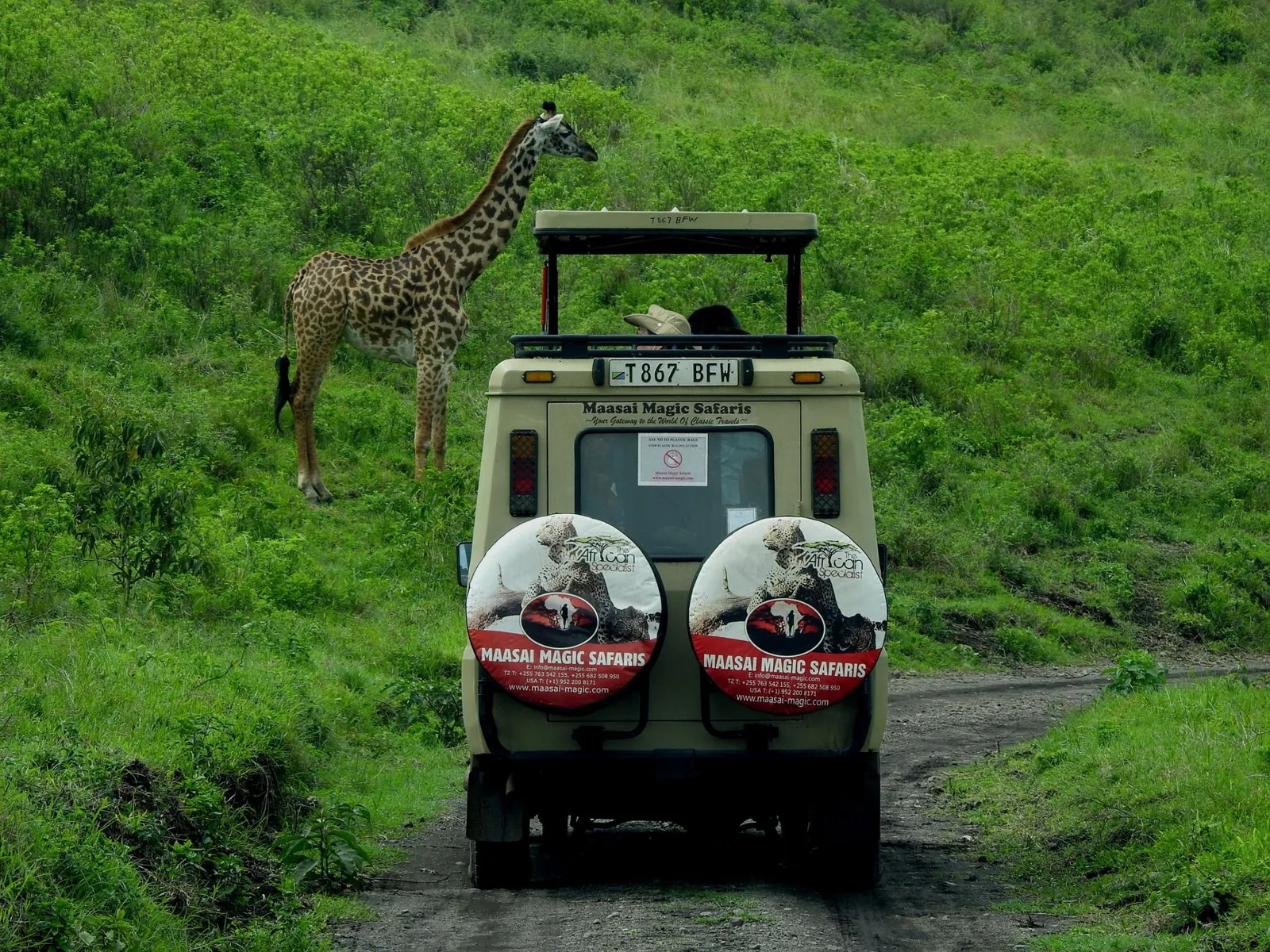
Photo by Maasai Magic via Pexels
If the price of the classic circuit feels steep, Namibia and South Africa are the two countries where a determined budget traveler can cut it nearly in half. For a fuller list of options beyond the safari, browse our adventure travel destinations roundup.
Smart Ways to Cut Safari Costs Without Cutting the Experience
You can save thousands without giving up a single animal sighting. The tricks that actually work:
- Travel in green season. November–April (East Africa) and the shoulder months bring fewer crowds and prices 20–40% lower. Wildlife is often easier to spot against greener, denser vegetation in the reserves.
- Go self-drive where it is safe. South Africa and Namibia are built for it. Renting a 4×4 and staying in rest camps trims the accommodation line to nearly nothing.
- Book the lodge directly, then compare. Operators bundle a markup; pricing the same itinerary through a ground handler and direct with the lodge often exposes a gap you can negotiate away.
- Join a small-group tour. Shared vehicles and shared guides spread the two biggest fixed costs across six to eight people.
- Skip the fly-in transfers. Driving adds hours but can save $300–$700 per person on a multi-camp itinerary.
- Limit yourself to one or two parks. Hopping between four parks in seven days doubles your transfer spend while shrinking your actual game time.
- Use points for the flight. Long-haul economy to Africa is one of the best-kept redemption values. Aspirational airline miles regularly beat cash fares on Nairobi and Johannesburg routes.
- Travel in a pair. Two people sharing a room and vehicle halves your per-person transport and single-supplement exposure.
Solo travelers should pay extra attention to safety and logistics, especially on self-drive legs. Start with our solo travel safety tips before you commit.
Frequently Asked Questions
How much does an African safari cost per day?
Plan on $130–$300 per person per day for budget travel, $350–$700 for mid-range comfort, and $1,000–$2,500 for luxury camps. Daily costs drop as your trip lengthens, because transfers are spread over more nights.
What is a realistic budget for a first safari?
For a seven-day mid-range safari in Kenya or Tanzania, budget $3,000–$5,000 per person excluding international flights. South Africa allows a first-timer to do it for $1,500–$2,500.
Are safaris really worth the money?
Yes — if you book the right style. The value in a safari is the guide’s tracking skill and the density of wildlife, not the thread count on the sheets. A well-run mid-range trip delivers 90% of the experience of a luxury one at a third of the price.
Do I need a travel agent or tour operator?
Not necessarily. Independent booking works well for South Africa and Namibia. For Tanzania and Botswana, a specialist operator (Lonely Planet recommends vetting operators carefully) can save you money and headaches through better routing.
When is the cheapest time to go on safari?
Green or shoulder season — roughly November to early June, outside the July–September peak. You trade some dry-season visibility for prices 20–40% lower and far smaller crowds.
How much should I tip on safari?
Budget $10–$20 per person per day for your guide and $5–$10 for camp staff, pooled and handed over at the end of the stay. Tips are not optional on safari; they are a meaningful part of local guides’ income.
For safari pricing, U.S. News Travel explains how much an African safari costs.
The Bottom Line
How much does an African safari cost? Anywhere from about $900 for a self-drive week in South Africa to $15,000 and up for a private fly-in camp in Botswana. Most travelers land in the $3,000–$5,000 range for a week of mid-range comfort out of East Africa, with international flights on top.
Pick your style first, your country second, and your season third — in that order — and the numbers stop being scary. Start by comparing mid-range itineraries in Kenya against budget self-drive options in Namibia, then price the same trip in green season. The savings you find will likely pay for the flight.
Ready to plan the rest of the trip? Read our guide to the best places for solo travel and learn exactly how to travel solo without the singles tax.