Best Adventure Travel Destinations for Thrill-Seekers in 2025
Some people plan a vacation around a beach chair and a cocktail. Others plan it around how fast they can fall, how high they can climb, and how far from the nearest highway they can get. If you fall into the second camp, you’ve probably spent plenty of nights scrolling through lists of the best adventure travel destinations, trying to figure out where to spend your vacation days and your savings.
That’s exactly what this guide is for. I’ve traveled through most of the destinations below, and I’ll give you straight numbers: what it costs, when to go, how difficult it really is, and who each place suits best. No sponsored filler, no vague “breathtaking scenery” descriptions that tell you nothing.
Here are five places that earn their reputations, plus a cost comparison so you can decide which one your budget and your appetite for risk can actually handle.
What Makes a Destination Worth the Trip
A good adventure destination isn’t just pretty. It has three things working for it:
- Density of activities. You want a place where you can surf, hike, and whitewater raft within a single week, not a location with one famous trail and nothing else nearby.
- Infrastructure for safety. Remote is fine. Disorganized is not. The best spots have licensed guides, well-marked routes, and local operators you can book in advance.
- A shoulder season. The difference between a packed tourist season and a quiet shoulder month is often the difference between paying double and paying normal rates, and between queuing at a trailhead and having it to yourself.
Every destination below scores high on all three. They also differ enough that one of them will match your skill level, whether you’re booking your first multi-day hike or your fifth.
Nepal: Trekking’s Ground Zero
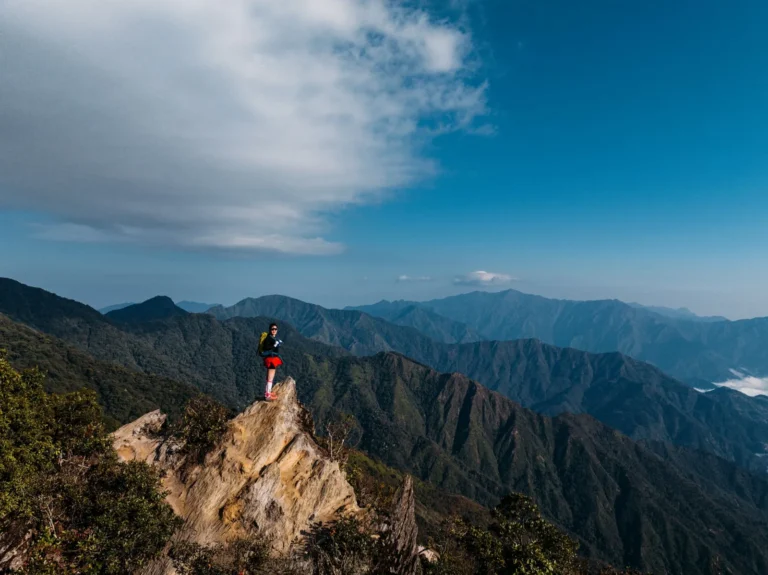
If you can only do one adventure trip in your life, make it Nepal. The country is built around the Himalayas, and its trekking infrastructure reflects that: teahouses every few hours, porters available in every trailhead town, and routes that range from a three-day warm-up to a three-week crossing.
The Everest Base Camp trek is the famous one, but it’s also the busiest and one of the more expensive options. A 12-day guided trek typically runs $1,200 to $2,000 per person, excluding international flights. The Annapurna Circuit is cheaper and more varied — you cross a 5,416-meter (17,770-foot) pass while walking through subtropical valleys that turn into alpine desert. Expect to pay $700 to $1,400 for a 10-to-14-day guided trip, or less if you go independently.
The best windows are March to May and October to November. April and October are peak months, so push into early March or late November if you want teahouses to yourself and knocked-down prices. You’ll need a TIMS card (about $20) and, for most routes, an Annapurna or Sagarmatha conservation permit (roughly $20 to $30).
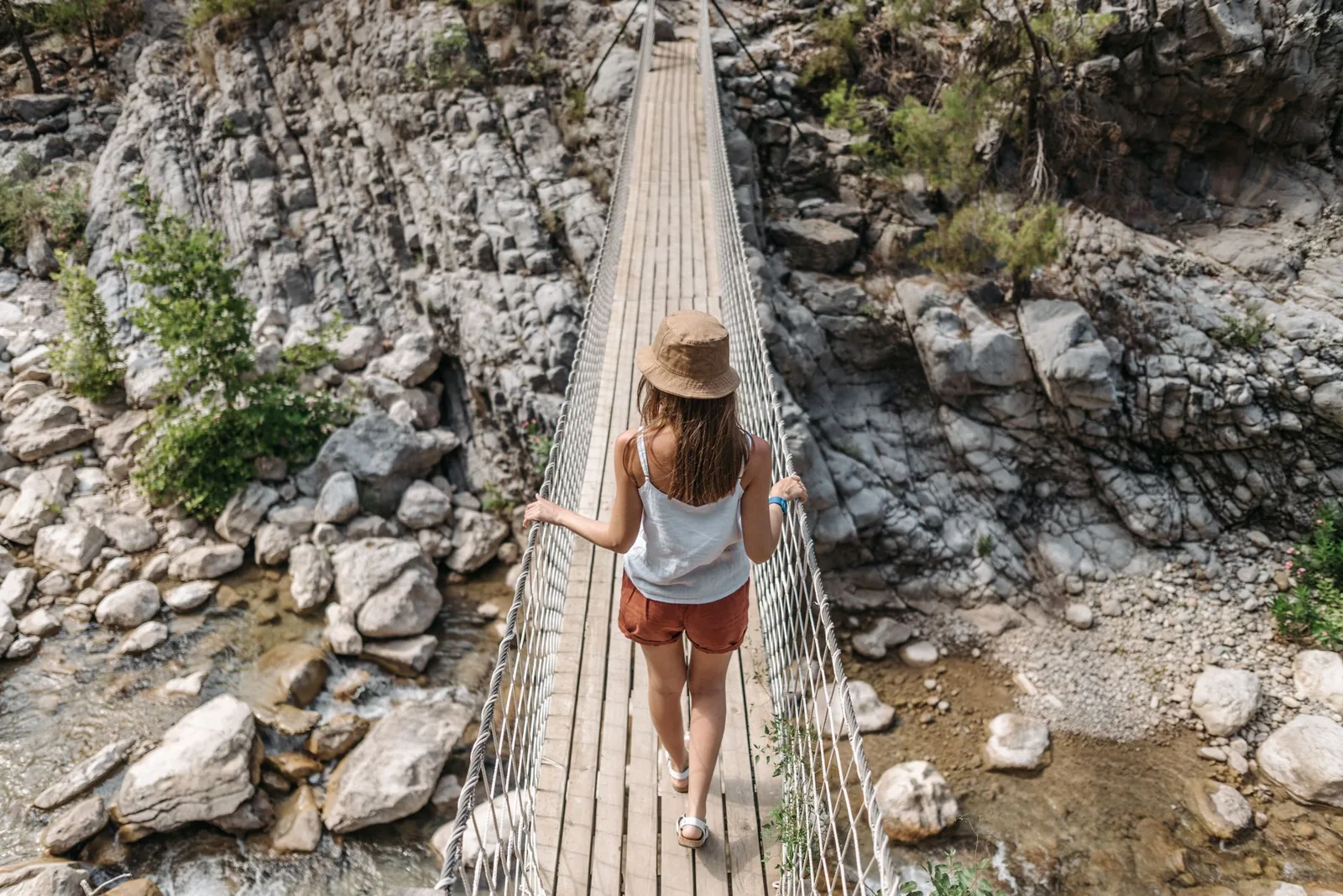
Nepal suits trekkers with decent fitness and a tolerance for altitude. You don’t need technical climbing skills for the base-camp treks, but you do need to respect acclimatization. If you’re new to high-altitude walking, read up on how to travel solo before you commit — plenty of first-timers do the Annapurna circuit alone safely, but only with the right prep.
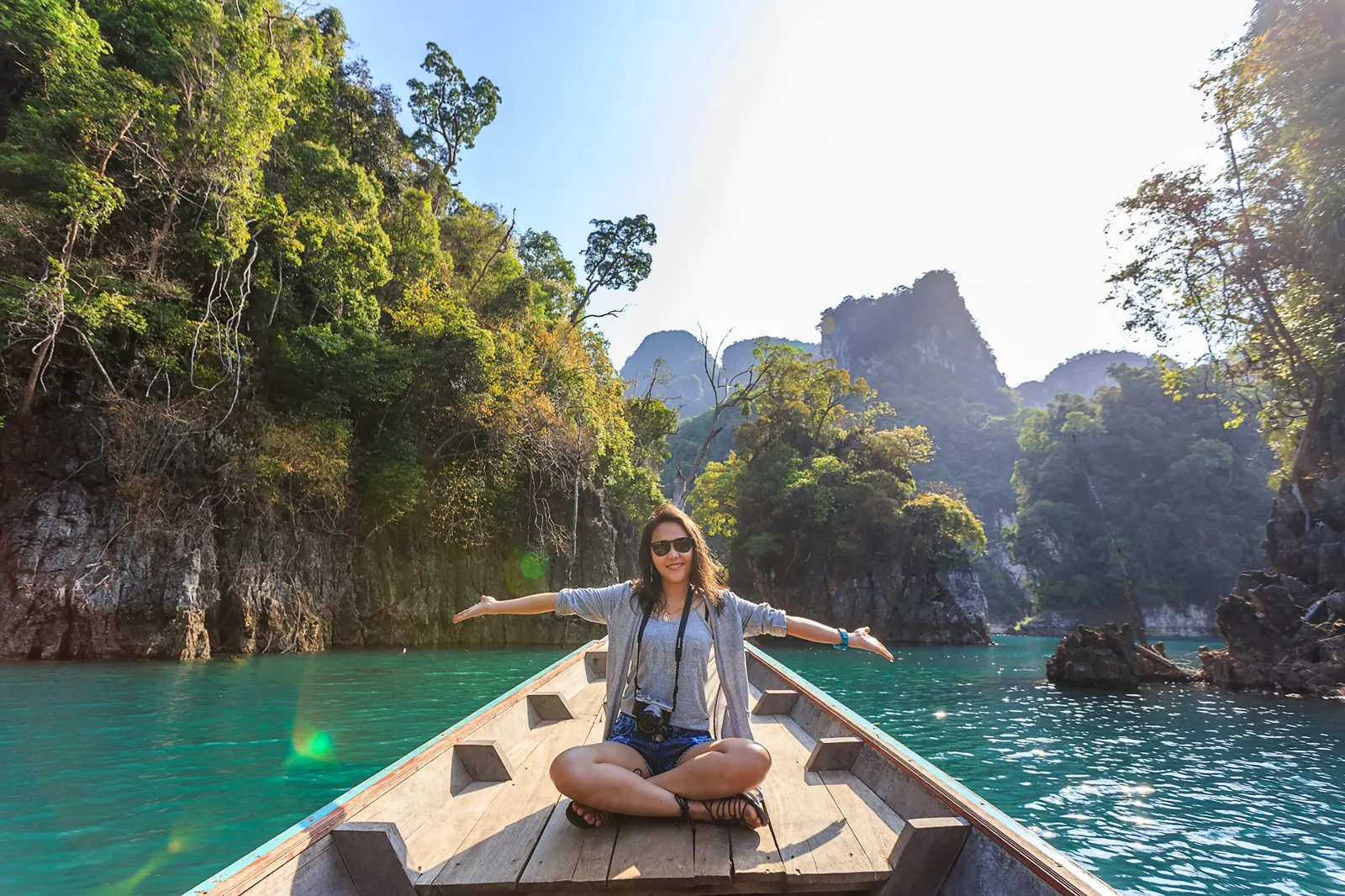
Photo by Te lensFix via Pexels
New Zealand: The Adventure Capital That Delivers
New Zealand turned “adventure tourism” into a brand, and unlike most marketing, it lives up to the hype. In Queenstown alone you can bungee jump, paraglide, jet boat, and skydive in a single weekend. That’s the appeal: nowhere else crams this much variety into such a small, safe, English-speaking area.
The Nevis Bungee, at 134 meters (440 feet), is the country’s biggest and runs about $180 to $220 per jump. Skydiving from 15,000 feet over the Remarkables costs $250 to $380. A full-day Milford Sound kayak trip sits around $100 to $150. If you’d rather keep both feet planted, the Tongariro Alpine Crossing — often called the best day hike in the world — is free, though you’ll pay $40 to $50 for a shuttle to the trailhead.
Budget planning matters here more than almost anywhere else on this list. New Zealand is expensive, and flights are long. A two-week trip with moderately priced lodging runs $3,500 to $5,000 per person from the US, flights included. The summer months of December through February are peak; March and April bring better prices and far fewer crowds with still-reliable weather.
This is the easiest destination on this list for a first-timer with a bigger budget, and one of the best for solo travelers specifically. The country’s hut-and-track network plus its low crime rate mean you never feel isolated or unsafe, which is a big reason it keeps topping solo travel roundups.
Patagonia: Chile and Argentina’s Shared Frontier
Patagonia is the most rugged entry here, and the most rewarding if you can handle wind, cold, and real remoteness. Sprawled across southern Chile and Argentina, it’s famous for two treks: the W Trek in Chile’s Torres del Paine National Park and the Laguna de los Tres trail near Argentina’s El Chaltén.
The W Trek is a four-to-five-day route past glaciers, lakes, and the granite towers that give the park its name. With campsite or refugio bookings, expect to spend $800 to $1,500 per person on the trek itself, excluding flights to Punta Arenas. Argentina’s side is cheaper — El Chaltén doesn’t charge a permit for its day hikes, and a bed in a hostel there runs $20 to $40.
Timing is everything. The season runs November through early March. Go in December or January for the longest days and best weather, or early November and March for fewer people and slightly lower rates. Wind is a constant fact of life here — gusts over 60 mph are routine — so bring layers and a tent that can take a beating if you’re self-supported.
Patagonia demands the most experience of any destination on this list. The hikes aren’t technically hard, but the weather whipsaws from sun to snow in an afternoon, and help can be hours away. If this is your first big trip, consider it for year two rather than year one — or at least review solo travel safety tips and go with a group operator.
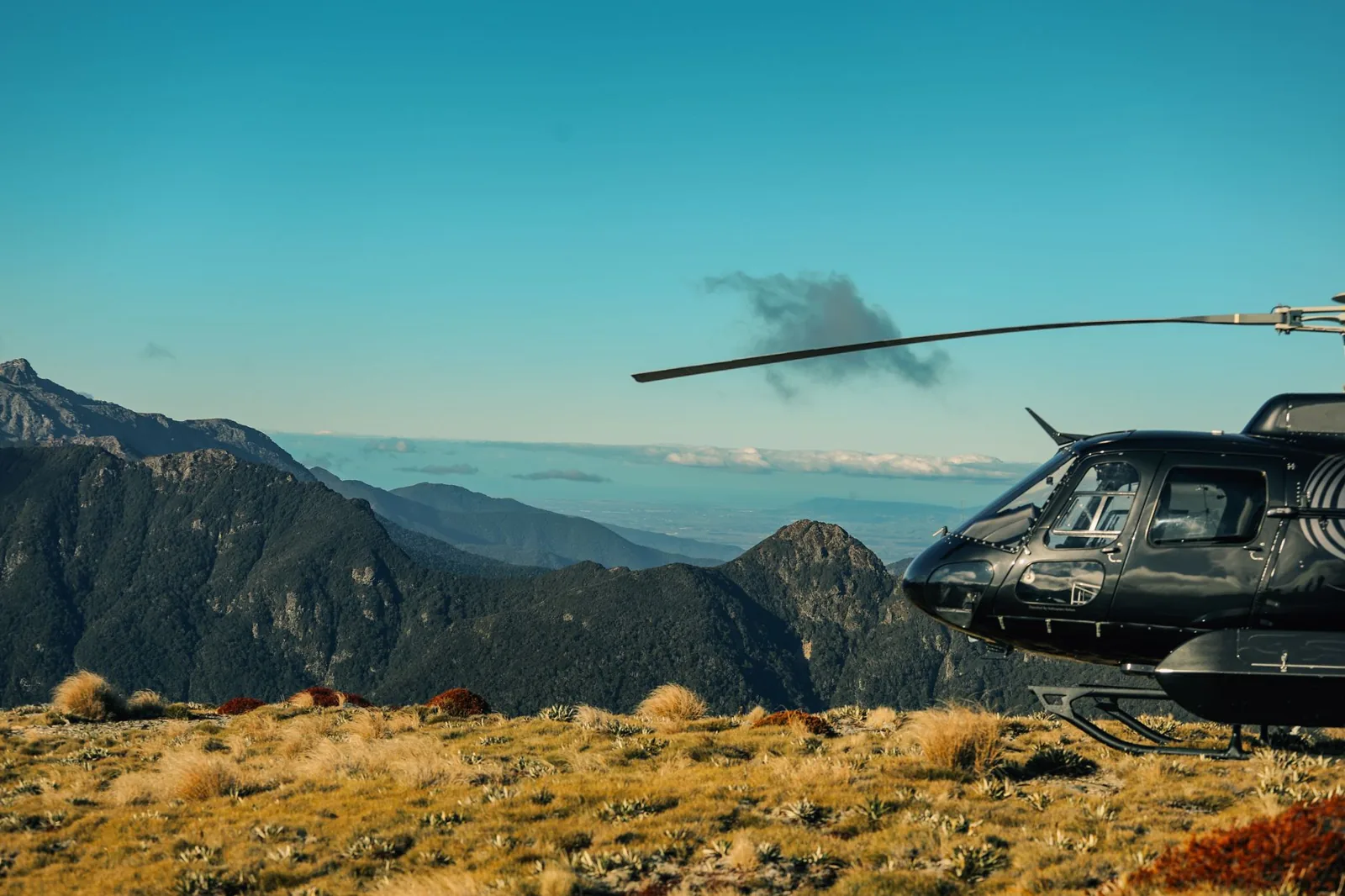
Photo by Glen Winter via Pexels
Costa Rica: Adventure Without the Altitude
Costa Rica is the entry point for adventure travelers who want adrenaline without thin air or freezing nights. It’s warm, it’s compact, and a ten-day itinerary can string together surfing, whitewater rafting, zip-lining, and volcano hiking without a single internal flight.
The Pacuare River is one of the best rafting rivers in the world, with day trips running $95 to $120. Zip-lining in Monteverde or Arenal costs $50 to $75 per person. Two-hour surf lessons in Tamarindo or Santa Teresa sit around $45 to $60. A guided night hike to see sloths and frogs runs $25 to $40. None of these will break the bank.
The country is more expensive than its Central American neighbors — expect $120 to $250 per day for comfortable lodging, food, and activities — but far cheaper than New Zealand or Patagonia. The dry season from December to April is peak, while the “green season” from May to November brings afternoon rains, lower prices, and surf that’s often better.
Costa Rica is the best choice for first-time adventure travelers, families, and anyone nervous about safety. The tourism infrastructure is mature, guides are well-trained, and distances between activities are short. It pairs perfectly with the rest of the adventure travel lineup if you want to stack two destinations into one longer trip.
Best Adventure Travel Destinations: A Quick Cost Comparison
Here’s how the numbers stack up side by side. These are rough per-person figures for one week of adventure activities, not including international flights unless noted.
| Factor | Nepal | New Zealand | Patagonia | Costa Rica |
|---|---|---|---|---|
| Signature activity | Everest or Annapurna trek | Bungee + skydive + hikes | W Trek / Laguna de los Tres | Rafting + zip-lining + surf |
| Weekly activity cost | $700–$2,000 | $1,500–$2,500 | $800–$1,500 | $400–$800 |
| Daily budget (mid-range) | $40–$80 | $150–$250 | $70–$150 | $120–$250 |
| Best season | Mar–May, Oct–Nov | Dec–Feb (Mar–Apr value) | Nov–early Mar | Dec–Apr (May–Nov value) |
| Difficulty | Moderate–hard | Easy–moderate | Hard | Easy–moderate |
| Best for | Trekkers, solo hikers | First-timers, adrenaline | Experienced hikers | Families, beginners |
How to Choose Your First Adventure Destination
If you’re only going to book one of these this year, pick based on your experience level and your budget, in that order.
- Never done an adventure trip? Start with Costa Rica or New Zealand. Both have strong infrastructure, English-speaking operators, and activities you can dial up or down in intensity.
- A confident hiker who wants a challenge? Nepal’s Annapurna Circuit or Patagonia’s W Trek. Both are bucket-list level, without requiring technical mountaineering.
- On a tight budget? Nepal and Costa Rica give you the most adventure per dollar. New Zealand and Patagonia are worth the splurge, but they’ll stretch a lean travel fund hard.
- Traveling solo? Nepal, New Zealand, and Costa Rica are all excellent for solo travelers. Patagonia is doable but merits more planning and, ideally, experience.
Whichever you choose, book your key permits and lodges early. Torres del Paine campsites sell out six months in advance, and Everest Base Camp teahouses fill fast for April and October. If you’re the type who also researches safari or snow-sport budgets before committing, check out our breakdown of African safari costs and ski trip costs for a fuller picture of how these trips compare price-wise.
For current conditions, permit rules, and route updates, Lonely Planet’s Nepal guide and The Points Guy’s advice on booking flights are both worth bookmarking before you hand over any money.
Frequently Asked Questions
What is the best adventure travel destination for beginners?
Costa Rica. It offers whitewater rafting, zip-lining, surfing, and volcano hikes at moderate prices, with short travel distances and well-run operators throughout the country.
Which destination is cheapest for adventure travel?
Nepal, by a wide margin. Multi-day Himalayan treks cost between $700 and $2,000 per person, and daily expenses can stay under $80 while still covering lodging, food, and permits.
When should I book for Patagonia or Nepal?
Six months or more ahead for peak season. Torres del Paine campsites and April/October teahouses in Nepal both sell out early, so lock in permits and beds as soon as your dates are firm.
Do I need to be an experienced hiker for these trips?
Not for Costa Rica or New Zealand. Nepal’s teahouse treks and Patagonia’s trails are doable with moderate fitness, though Patagonia’s weather and remoteness make it better suited to hikers with some outdoor experience.
Is it safe to do these trips alone?
For the most part, yes. New Zealand, Costa Rica, and Nepal are all popular solo-travel destinations with strong tourism infrastructure. Patagonia requires more caution due to remoteness and rapidly changing weather.
The Bottom Line
The best adventure travel destinations share one trait: they give you a real challenge in a place that’s ready to support you when things go sideways. Nepal delivers the highest-altitude payoff for the lowest cost. New Zealand offers the most variety with the least friction. Patagonia is the raw, wind-blasted experience that serious hikers chase. And Costa Rica is the friendly on-ramp that turns first-timers into repeat adventure travelers.
Match the destination to your experience and your budget, book the permits and beds early, and don’t overplan the in-between. The best adventure trips leave room for the part you can’t schedule. Pick one, start training a few months out, and go.