Train Travel vs Plane Travel: Which Should You Book Next?
The moment you plan a trip of 200 to 600 miles, you hit the same question: train travel vs plane travel. On paper, the plane wins on raw speed. In practice, once you add the drive to the airport, security, boarding, and baggage claim, that gap shrinks fast — and the train often pulls ahead on total cost, total time, and comfort.
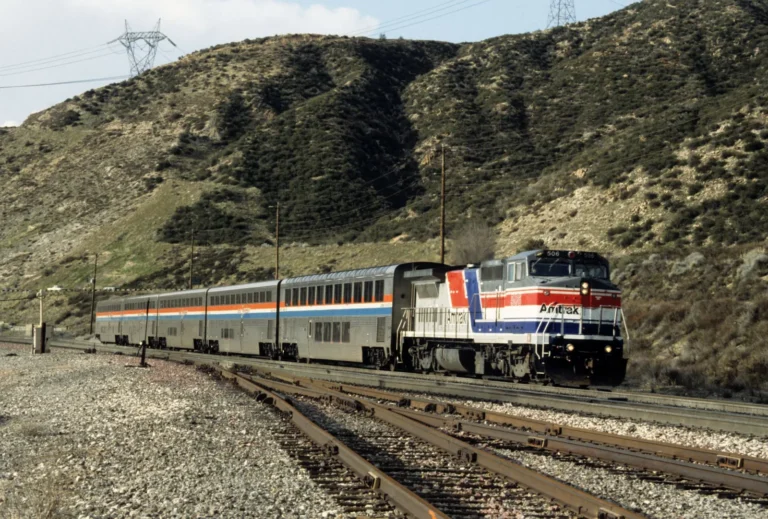
There is no single right answer. Amtrak along the Northeast Corridor, a Eurail pass through France and Italy, or the Shinkansen in Japan each beat flying on their home turf. A cross-country run from New York to Los Angeles still belongs to the airplane. The trick is knowing which factors decide it for your specific route.
Here is a grounded, numbers-first comparison of what each option actually costs you in money, hours, and legroom, so you can book the one that fits.
What Train Travel vs Plane Travel Actually Costs
The posted airfare rarely tells the whole story. Start there, then add the fees.
The Sticker Price Rarely Holds Up
A one-way flight from New York to Washington, D.C. can dip as low as $59 on a basic economy fare, while Amtrak’s Northeast Regional on the same corridor usually runs $80 to $150. But that flight price is a teaser. Basic economy often means no seat selection, a carry-on restriction, and a checked bag that costs $35 to $40 each way on the major US carriers. Toss in a $30 rideshare to and from the airport, and the two totals land within $20 of each other on most short routes.
Farther afield, the math flips. A Eurail Global Pass starts around $231 for four travel days and covers most intercity trains across Europe. Booking those same cities as separate flights — especially on budget carriers that claw back the low headline fare with add-on fees — usually costs more. For the line-by-line breakdown of the money question, see our piece on whether the train is actually cheaper than flying.
Long-Haul Is Where the Plane Wins
Once you cross an ocean, the debate is over — you cannot take an Amtrak to London. The plane is the only option, and the relevant comparison becomes airline versus airline rather than train versus plane. Keep the train-vs-plane decision to routes where both actually exist: roughly 150 to 700 miles.
Door-to-Door Time: The Plane’s Hidden Hour Loss
A two-hour flight rarely means two hours of travel.
The Airport Tax
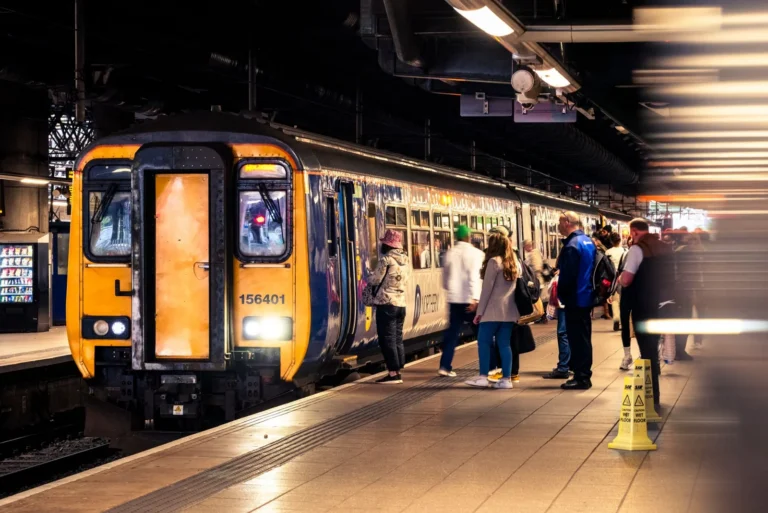
Most US airports tell you to arrive 90 minutes to two hours early for a domestic flight. Add a 30- to 45-minute drive to the airport — or a train ride just to reach it — plus 20 to 30 minutes at baggage claim. On a New York to Boston trip, a 75-minute flight consumes about four hours door to door. Amtrak’s Acela makes the same run in roughly 3 hours and 40 minutes, station to station, and both stations sit downtown, where you were headed anyway.
European high-speed lines tighten this further. Paris to Lyon is about two hours on the TGV. Flying the same city pair means reaching two airports that sit well outside both city centers, pushing a 70-minute flight past four hours of real travel.
City Center to City Center Matters
Trains drop you in the middle of the city. Airports deposit you 10 to 40 minutes outside it. On any route under about 500 miles, count that difference directly against the plane’s speed advantage.
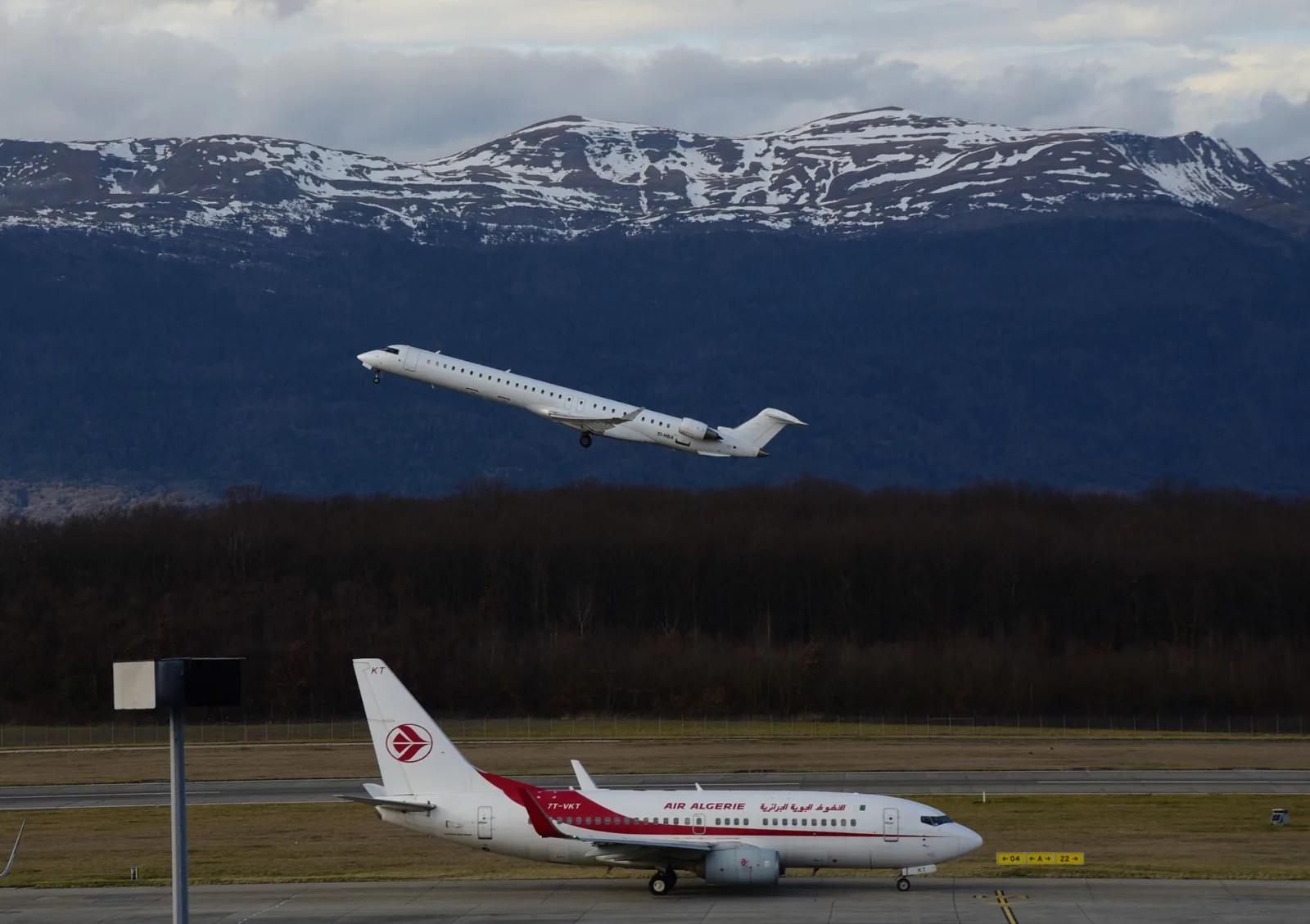
Photo by Planespotter Geneva via Pexels
Comfort, Legroom, and Getting Real Work Done
Seats and Space
A standard economy seat gives you about 30 to 31 inches of pitch. Amtrak coach seats run closer to 39 to 42 inches, and most trains let you stand, walk to the café car, and stretch whenever you like. There is no middle seat on a train. For anyone over six feet tall, that is close to a full argument on its own.
Power, Wi-Fi, and Working
Planes wedge you into a seat with a shared armrest and, on most routes, no reliable internet. A train gives you a power outlet at nearly every seat, a tray table big enough for an open laptop, and Wi-Fi that — on Amtrak’s Northeast Corridor and most European operators — is steady enough for email and light work even when streaming struggles.
Food and Movement
Train food is rarely gourmet, but you are not locked in. You can bring your own, walk to the café car, and step off without the dehydration headache that a pressurized cabin hands you.
Train Travel vs Plane Travel: A Side-by-Side Comparison
Here is how the two options stack up on the factors people actually weigh.
| Factor | Train | Plane |
|---|---|---|
| Cost (short route, one way) | $20–$150 (Amtrak regional / Eurail segments) | $59–$250 once bags and airport transit are added |
| Door-to-door time, ~300 mi | 3–4.5 hours | 3.5–5 hours with security and transfers |
| Seat pitch | 39–42 in | 30–31 in |
| Checked bag | Usually free to carry on, generous limits | $35–$40 each way on most US airlines |
| Wi-Fi | Commonly available, spotty streaming | Rare or paid, often unusable |
| Delay patterns | More reliable on dedicated lines | Prone to weather and gate congestion |
| Best for | 150–700 mi inland trips, city-center hops | 700+ mi, oceans, time-pressed itineraries |

Photo by Juan Moccagatta via Pexels
Luggage, Delays, and the Reliability Question
Luggage Rules
Airlines have turned baggage into a revenue line. Basic economy often allows no carry-on beyond a personal item, and a checked bag adds $70 to $80 round trip on the big US carriers. Trains let you bring two large bags and a carry-on for no extra charge, and nobody weighs your suitcase. For budget travelers — and anyone hauling ski gear or souvenirs — that is real money back. If you are totaling up the full trip, our train vs plane cost comparison runs the complete numbers.
Delays and Cancellations
When a thunderstorm settles over Chicago O’Hare or a snowstorm hits Denver, flights cancel by the hundred and rebooking drags on for days. Trains are not immune — Amtrak shares track with freight and does run late — but weather delays are rarer than air delays, and a 30-minute rail delay rarely strands you overnight.
Where Rail Is Reliable — and Where It Isn’t
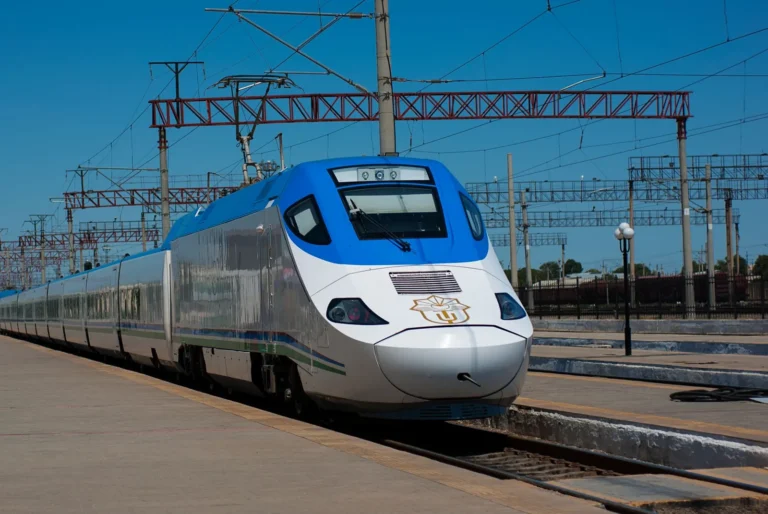
Japan’s Shinkansen arrives within seconds of schedule, year after year. Swiss and German intercity trains are broadly on time. On the flip side, Amtrak outside the Northeast Corridor runs on shared freight track and can be hours late. Check the reliability reputation of your specific line before you commit. Rick Steves covers which European rail passes and routes are worth it in plain terms.
When Flying Still Makes More Sense
It is easy to become a train evangelist. Some trips genuinely need a plane:
- Distances over 700 miles within one country — New York to Miami, Chicago to Los Angeles — where flying is the only sane option.
- Any route across water.
- Tight schedules where a missed connection sinks a meeting; flights offer far more daily frequency than most rail lines.
- Remote regions where the nearest station is a multi-hour drive but a regional airport is 20 minutes away.
Frequently Asked Questions
Is train travel cheaper than plane travel?
On routes under about 500 miles, usually yes once you add checked-bag fees and airport transfers to the flight’s price. On longer routes and over water, flying wins.
Is it faster to take a train or a plane?
Raw flight time is shorter, but door-to-door time on routes up to about 500 miles often favors the train, because you skip arriving 90 minutes early, security lines, and the drive from a remote airport.
Which is better for the environment?
Trains win decisively. Rail travel produces a fraction of the emissions per passenger-mile of flying, especially on electrified lines such as Japan’s Shinkansen or most European high-speed corridors.
Do trains have Wi-Fi and power outlets?
Most intercity and high-speed trains do — power at nearly every seat and Wi-Fi on the major networks, though streaming can be patchy. Most short-haul planes still offer neither.
What about luggage?
Trains generally let you bring two large bags and a personal item free, with no weight checks. Airlines charge $35 to $40 each way for a checked bag on most US routes.
The Bottom Line
Train travel vs plane travel is not a contest with one winner — it is a routing decision. For trips of roughly 150 to 500 miles through regions with decent rail service, the train usually beats the plane on total cost, total time, comfort, and the ability to actually work or relax en route. That is the Northeast Corridor, most of Western Europe, and Japan’s bullet-train spine.
The plane earns its place the moment distance, water, or a hard deadline enters the picture. A consistent answer is fine: take the train when the route allows it, fly when it does not, and run the numbers on the specific trip rather than in the abstract.