Solo Travel Safety Tips: How to Stay Safe Abroad
Most of the fear around traveling alone comes from people who have never done it. Ask anyone who has spent a month solo through Southeast Asia or a summer hopping European rail lines, and they will tell you the same thing: solo travel is not inherently dangerous, but it does reward preparation. The people who run into real trouble are rarely unlucky. They are usually underprepared.
These solo travel safety tips are not about scaring you off the road. They are about the practical habits that let you relax and actually enjoy a city on your own, instead of spending the whole trip tense and second-guessing every corner. Whether you are planning your first solo trip or your tenth, most of what protects you is decided before you ever board the plane.
Solo Travel Safety Tips: Before You Leave Home
The bulk of staying safe happens weeks before departure, not in the moment. If you leave the house with these basics handled, you have already eliminated most of the risk you will face.
Research neighborhoods, not just cities. A city can have a great safety reputation and still contain a few blocks you have no business walking through after dark. Before booking accommodation, check which neighborhoods locals recommend and which ones they avoid. Forums like the ones on Lonely Planet’s Thorn Tree-adjacent community and Reddit’s r/solotravel are full of people who live in and regularly visit these places and will tell you straight.
Share your itinerary with someone who will actually read it. Leave a copy of your route, accommodation details, and flight numbers with a friend or family member at home. Better, use a shared Google Doc you update as plans shift. The point is not to be tracked, it is to give someone a starting point if you go silent for longer than expected.
Register with your government if you are a US or UK citizen. The US State Department’s Smart Traveler Enrollment Program (STEP) is free, takes five minutes, and sends you alerts for your destination while giving the local embassy a way to reach you in an emergency. Most Western countries run a similar service. Do it.
Buy travel insurance that includes medical evacuation. This is the least glamorous item on the list and the one you will be most thankful for if something goes wrong. A hospital stay in a foreign country, or a medical evacuation home, can cost tens of thousands of dollars. A solid policy runs roughly $40–$90 for a two-week trip, and it is the single best value item you can buy before going anywhere alone.
Make digital copies of everything. Photograph your passport, visa, travel insurance policy, and credit cards, then store them in an encrypted folder or a cloud drive you can reach from any device. Keep a physical spare of your passport photo page in your main bag, separate from the passport itself.
Choosing the Right Accommodation
Where you sleep is the highest-use safety decision you will make. A bad area at a low price is never a bargain when you are the only person responsible for getting yourself home at night.
- Read recent reviews with an eye for safety, not just comfort. Search reviews for words like “area,” “walk,” “night,” and “safe.” A place can be clean and still be in a neighborhood you do not want to walk through alone.
- Hostels are usually safer for solo travelers than empty Airbnb apartments. A well-reviewed hostel in a central location means other travelers, staff on the front desk, and a social scene that makes it easy to find people to explore with. If you do book a private rental, check that the host is verified and the listing has a real history of recent reviews.
- Keep the front desk on your side. Let reception staff know roughly where you are headed each day, especially if you are hiking or doing anything off the main tourist path. They often know which taxis are trustworthy and which neighborhoods got worse last month.
Staying Safe on the Move
Getting around is where most solo travelers make avoidable mistakes. Small habits compound.
Never pull out a full map or wallet on a busy street. Plot your route inside a café or your hotel, use one earbud for turn-by-turn directions, and keep a small amount of cash in a front pocket or a low-profile pouch. If you need to check your phone, step into a shop doorway rather than stopping in the middle of a crowded sidewalk.
Taxis and ride-hailing deserve a few extra seconds. In most cities, an app like Uber or Bolt beats flagging a random cab, because the driver, the route, and the fare are all tracked. If you are taking a licensed taxi, grab one from a rank rather than waving one down, and confirm the meter or the fare before you get in.
Learn how to say “no” and move. A polite refusal followed by walking away solves more situations than any tip on this list. People who push past a firm no are exactly the ones you should already be moving away from. You do not owe anyone an explanation for leaving a conversation.
| Factor | Hostel | Hotel | Short-Term Rental |
|---|---|---|---|
| Typical nightly cost | $15–$45 | $80–$200 | $60–$150 |
| Staff on site | Yes, 24/7 | Yes, 24/7 | Usually no |
| Easy to meet people | Excellent | Poor | None |
| Safety as a solo guest | Strong | Strong | Depends on reviews and area |
| Best for | Budget travelers, social trips | Privacy, quiet, reliability | Longer stays, feeling local |
Handling Money and Documents Like a Local
Street crime against solo travelers is almost always opportunistic. The goal is simply not to look like an easy target, and most of that comes down to how you handle money.
- Carry two cards and limited cash. Leave one card and your spare credit card locked in your accommodation safe or a hidden pouch. Carry only what you need for the day. If a card is lost or skimmed, you are not left with nothing while you sort out a replacement.
- Split your cash. Keep a small note in a front pocket for daily spending and a larger reserve somewhere harder to reach, like a money belt worn under clothing. Never flash a full wallet when paying.
- Use ATMs inside banks during daylight. Machines attached to banks in busy areas are far less likely to be tampered with than a standalone machine on a quiet street at night. Decline the machine’s currency conversion offer, which is almost always a worse rate than your own bank gives you.
- Keep your passport in the safe, not your pocket. In most countries a photocopy or a photo on your phone is enough for day-to-day ID. Your actual passport should stay locked up unless you genuinely need it.
Nights Out and Social Situations
A big part of the appeal of solo travel is the freedom to do exactly what you want, when you want. That freedom just needs a few guardrails after dark.
Watch your drink the same way you would at home. Solo travel does not suspend common sense. Buy your own drinks, keep them in sight, and be cautious accepting drinks from strangers you just met. The friendliest person in the hostel bar is still a stranger.
Go out with people from your hostel or a walking tour. Most solo travelers are happy to team up for an evening, and there is real safety in numbers. If you do head out alone, tell someone at your accommodation where you are going and roughly when you will be back.
Set a drink limit and a route home before the night starts. Decide in advance how much you will drink and how you will get back, before you are standing on an unfamiliar street at 2 a.m. trying to make either decision. Save your accommodation’s address in your phone and pin it on your maps app before you leave.
What to Do in an Emergency
Knowing what to do when things go wrong is the difference between one bad night and a ruined trip. Have a plan before you ever need it.
- Know the local emergency number. It is not 911 everywhere. In much of Europe it is 112, in Australia 000, in the UK 999. Save the number for your destination in your phone before you land.
- Save your embassy or consulate details. The local embassy can replace a lost passport, help if you are a victim of crime, and give you a list of vetted local resources. Having the phone number and address saved means you are not hunting for it during a crisis.
- Report theft to the police. If your passport or cards are stolen, file a police report right away. Your travel insurance company will almost always require one before paying a claim, and the embassy will want it before issuing an emergency passport.
Our guide to how to travel solo for the first time walks through planning a trip step by step, and if you are still choosing where to go, start with the best places for solo travel.
Frequently Asked Questions
Is solo travel safe for women?
Yes, with preparation. Millions of women travel alone every year without incident, and the same solo travel safety tips apply with a few extras: read reviews by other women, book accommodation in central, well-lit areas, and trust your instincts when a situation feels off. Choosing destinations known to be welcoming to female travelers makes a real difference.
What is the safest country for first-time solo travelers?
Japan, Iceland, Portugal, New Zealand, and Singapore are consistently ranked among the safest destinations for solo travelers, with low crime rates, reliable public transport, and strong tourist infrastructure. For a fuller list, see our roundup of the best places for solo travel.
Should I bring a safety whistle or personal alarm?
A personal alarm can be a cheap, useful addition for peace of mind, especially for hikers and walkers. A bright flashlight on your phone or a small dedicated torch is arguably more useful day to day. None of these replace situational awareness, but they do not hurt.
How much cash should I carry while traveling solo?
Carry enough for a day or two of spending — $40 to $100 in most destinations — and leave the rest locked in your accommodation safe or split across your bags. Rely on cards where you can, and only withdraw more cash when and where you actually need it.
Is hostel living safe when you travel alone?
Yes, overwhelmingly. Well-reviewed hostels with 24-hour reception, lockers, and a strong recent review history are among the safest places a solo traveler can stay. Use the locker for valuables, be friendly but cautious with new acquaintances, and you will find hostels are a genuine asset to solo travel.
Photo by Efrem Efre via Pexels
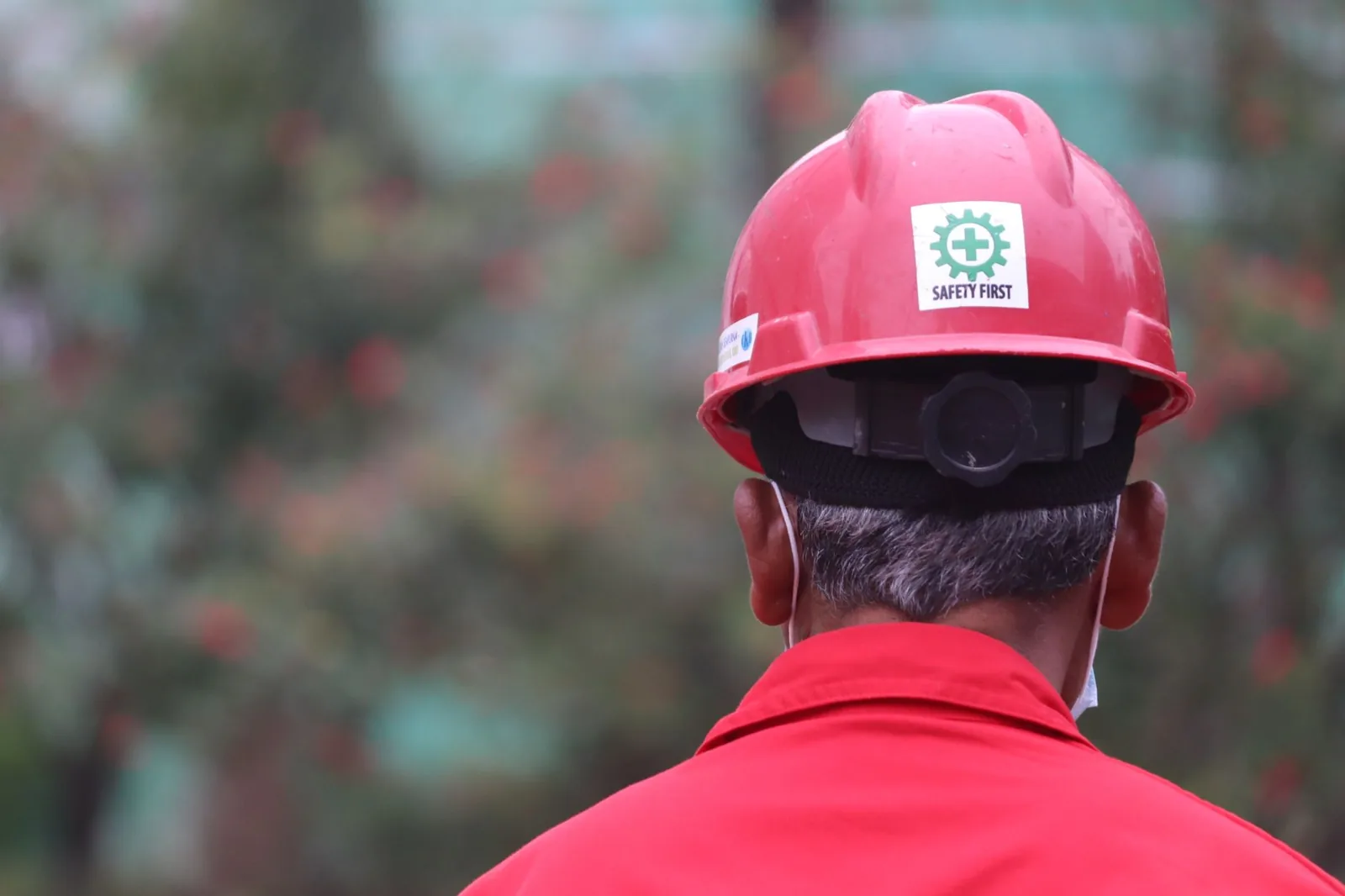
Photo by Mufid Majnun via Pexels
The Bottom Line
Solo travel is one of the most rewarding things you can do, and it does not have to be frightening. The fear people carry into a first solo trip almost always evaporates within a day or two, replaced by the specific, manageable questions of where to eat and how to get across town. That is because real solo travel safety is not about luck — it is about choosing good neighborhoods, handling your money sensibly, staying aware, and having a plan for when things go sideways.
Start small if it helps. Pick one of the safer destinations we cover among our adventure travel destinations, book a well-reviewed hostel in a central area, and go. Prepared, you will find the road is far friendlier than the headlines suggest.