Adventure Tours Cost: What Real Travelers Pay in 2025
Adventure tours cost anywhere from $50 a day for a group trek in Nepal to well over $1,000 a day for a guided polar or mountaineering expedition — and the number you actually pay depends on far more than the destination. A five-day Salkantay trek in Peru and a week of whitewater rafting in Costa Rica are both “adventure travel,” but their price tags sit in completely different leagues.
That spread exists for good reason. Guide-to-guest ratios, permits, gear, meals, and how remote the terrain is all push the daily rate up or down quickly. If you know what drives the price — and where the value actually sits — you can avoid overpaying for a branded trip while still getting a safe, well-run tour.
What Adventure Tours Cost in 2025
To keep the numbers useful, it helps to separate adventure tours into three broad bands. Budget group trips run roughly $50–$200 per person per day and cover the classic backpacker treks with hostels and buses. Mid-range guided trips — the realistic choice for most travelers — land around $200–$500 a day and include real guides, decent rooms, and most meals. Premium and expedition-style tours start around $500 a day and climb fast once ships, porters, helicopters, or fixed-fee permits enter the picture.
| Factor | Budget ($50–$200/day) | Mid-Range ($200–$500/day) | Premium ($500+/day) |
|---|---|---|---|
| Group size | 10–16 people | 6–10 people | 2–8 people |
| Guide ratio | 1:12 or higher | 1:6 to 1:8 | 1:2 to 1:4 |
| Lodging | Hostels, teahouses, camping | 3-star hotels and lodges | Expedition camps, ships, luxury lodges |
| Inclusions | Transport, permits, some meals | Meters, gear rental, most meals | All meals, flights, gear, porters |
| Example | Salkantay trek, ~$450/5 days | Costa Rica multi-sport, ~$1,900/8 days | Antarctica cruise, $8,000–$15,000 |
The biggest takeaway is that “adventure tour” is not one product. A $55-a-day Nepal teahouse trek and a $1,200-a-day Kilimanjaro climb are both legitimate guided trips — they simply buy completely different levels of support.
What Drives the Price of an Adventure Tour
Five factors do most of the work on any quote you see.
- Guide-to-guest ratio. A 1:12 trekking group is cheap to run; a 1:4 whitewater trip with certified river guides costs far more per person because you divide fewer salaries across fewer guests.
- Permits and park fees. Some costs are flat and unavoidable. Kilimanjaro’s park fees alone run about $100 per day, and Nepal’s trekking permits sit on top of every teahouse itinerary.
- Season and demand. Shoulder-season departures are routinely 20–30% cheaper than peak-summer or dry-season slots for the same route.
- Gear and support. Rafts, kayaks, camping equipment, porters, and safety boats are all priced into the daily rate whether you use every item or not.
- How remote you are going. A tour that ends at a trailhead near a major airport costs less to run than one that needs an internal flight, a longboat, and two days of ground transfers to even reach the start.
Understanding these levers lets you read a quote and spot exactly why one operator charges more than another — often for a reason that matters, sometimes not.
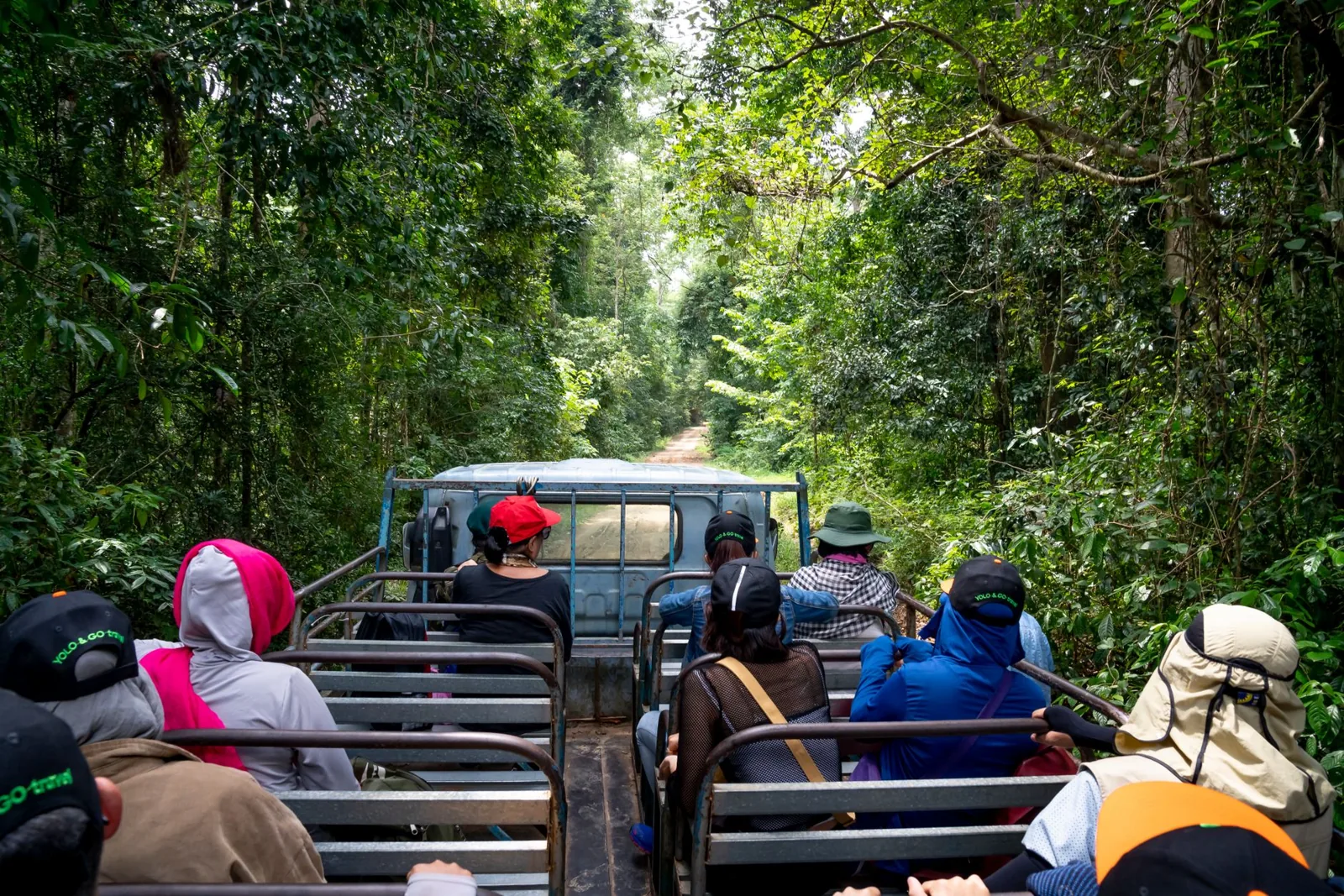
Photo by Quang Nguyen Vinh via Pexels
Budget Adventure Tours: $50–$200 a Day
This band is the backbone of the backpacking world. You travel in a larger group, sleep in teahouses, hostels, or shared tents, and cover more of your own food than on pricier trips.
Real-world examples hold up well. The Salkantay trek to Machu Picchu — the cheaper alternative to the heavily regulated Inca Trail — commonly runs $450–$600 for five days, including guides, camping gear, most meals, and transport back to Cusco. A two-week Annapurna Circuit teahouse trek in Nepal can still be done for $800–$1,200 with a local guide, because lodging and dal bhat meals on the trail are surprisingly cheap. In Morocco, a three-day Atlas Mountains trek with mule support and a Berber guide often lands around $200–$300.
What you give up at this price point is mostly comfort and individual attention, not safety. Group sizes are larger and you may carry your own day pack, but the guides are still licensed and the routes are well-trodden.
Mid-Range Tours: $200–$500 a Day
This is where most first-time adventure travelers land — and it is usually the best value per dollar. You get smaller groups, all equipment, and decent private lodging, which matters after a long day on the trail or the river.
An eight-day Costa Rica multi-sport trip combining rafting, canyoning, and volcano hikes typically prices at $1,800–$2,500 per person. A budget Galápagos cruise — the most economical way to see the islands — starts around $2,500 for a 6–8 day sailing. A guided Inca Trail trek with the full porter service and better campsites runs $700–$900 for four days. In Jordan, a week of hiking Wadi Rum and Petra with a private guide and desert camp often totals $900–$1,400.
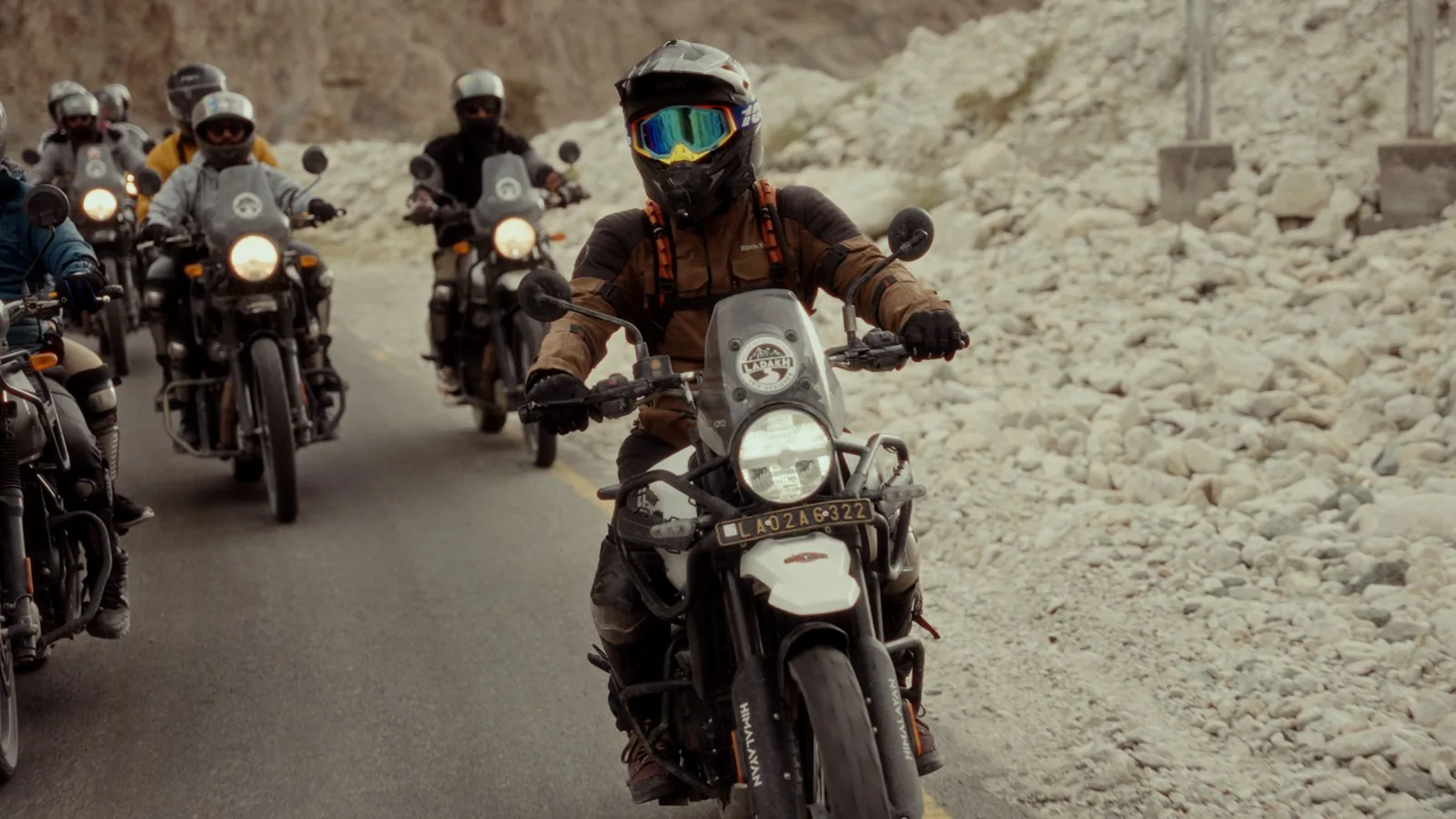
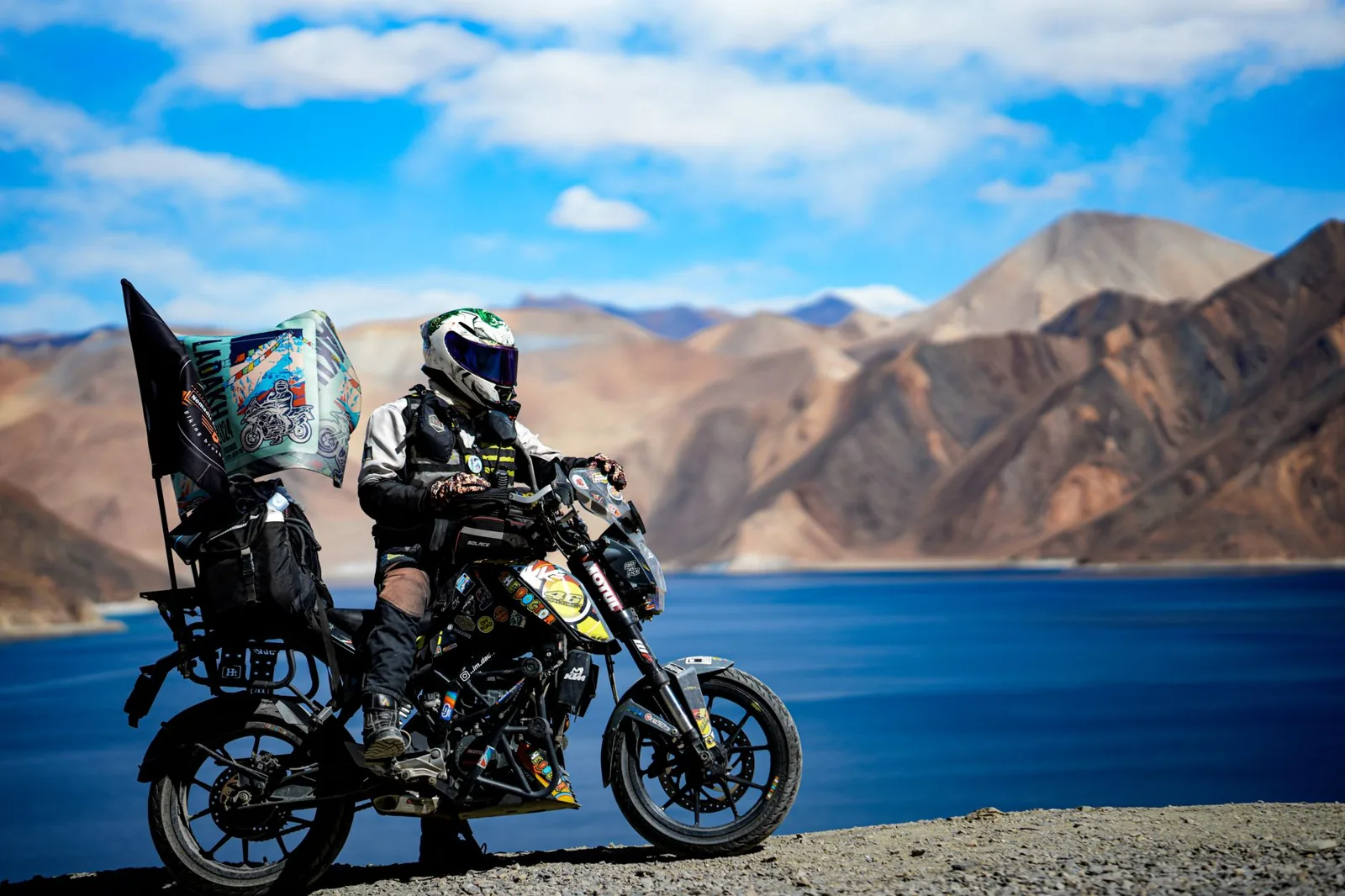
Photo by Yogendra Singh via Pexels
The pattern is consistent: at $250–$400 a day you are paying for the guide quality, the logistics, and the gear, and the price rarely feels inflated for what you receive.
Premium and Expedition Tours: $500+ a Day
At the top of the market, the daily rate jumps because fixed costs are enormous. You are paying for ships, summit permits, porters, rescue coverage, and specialized staff rather than markup.
A guided Kilimanjaro summit climb runs $2,800–$5,500 for seven to eight days, and the honest operators are not the cheapest ones — porter welfare and rescue equipment cost money. An Antarctica expedition cruise starts near $8,000 and routinely passes $15,000. A private Everest Base Camp trek with full support, rather than a bare-bones group, lands around $2,500–$4,000. If the expedition element appeals to you, it is worth comparing these prices against related big-ticket trips, such as how much an African safari costs.
Here, shopping purely on price is a mistake. The cheapest Kilimanjaro operators in Moshi are cheap because they underpay porters — a deal you should walk away from.
How to Cut Adventure Tour Costs
You can trim 30–50% off almost any adventure tour without touching the experience.
- Book shoulder season. The same Costa Rica multi-sport trip is often 25% cheaper in May or November than in December.
- Join a group rather than going private. A private guide usually doubles or triples the per-person rate.
- Book with a local operator. In-country companies routinely charge 30–50% less than a US or UK brand that subcontracts to the same local crew. Vet them through recent reviews first.
- Bring your own gear. Renting a sleeping bag, poles, and layers for two weeks adds up faster than most people expect.
- Separate the tour from the flight. Booking flights yourself almost always beats the “package” airfare.
- Check what “included” actually means. Airport transfers, park fees, and tips are the three items most often left out of a headline price.
For ground-level cost data, Lonely Planet‘s destination pages and NerdWallet‘s travel budgeting guides are both worth bookmarking before you book.
Frequently Asked Questions
How much does an adventure tour cost on average?
Most travelers pay $200–$500 per person per day for a mid-range guided tour. Budget group treks can run as little as $50 a day, while premium expeditions and cruises regularly exceed $500 a day.
Are budget adventure tours safe?
Generally yes — the routes are well-established and the guides licensed. The safety check is about the operator, not the price. Read recent reviews, confirm guides are certified, and never book the rock-bottom option on a route with real objective risks such as altitude or class IV water. If you are traveling alone, our solo travel safety guide covers the operator-vetting steps in detail.
What is usually not included in the tour price?
International flights, travel insurance, tips for guides and porters, alcoholic drinks, and gear rental are the five most common exclusions. On climbing and trekking trips, park permits are sometimes billed separately, so always ask for a line-item quote.
Is it cheaper to book a tour locally or in advance?
Cheaper locally, riskier in advance. Booking in-country cuts out the foreign markup and lets you inspect the operator, but popular routes and peak-season departures sell out weeks or months ahead. A middle path: book the big-ticket trip in advance and wait to book day tours on arrival.
Do I need travel insurance for adventure tours?
Yes, and make sure it covers your specific activity. Standard policies often exclude trekking above a certain altitude, whitewater rafting, and mountaineering. Buy a policy that names your activity in writing.
The Bottom Line
Adventure tours cost far less than most people assume at the budget end and far more than they expect at the top — but the pricing is logical once you see the guide ratios, permits, and gear behind the number. Decide your daily budget first, pick the support level that keeps you safe, and spend your money on the operator, not the brand.
For ideas on where to point that budget, start with our roundup of adventure travel destinations, and if you are planning to go alone, how to travel solo on any budget is the natural next read.