How Much Does Backpacking Cost? A Real-World Budget Breakdown
How much does backpacking cost? In most of Southeast Asia, $30–40 a day covers a dorm bed, three meals, local transport, and a couple of activities, while the same day in Western Europe or Australia usually runs $70–100. The honest answer is that there is no single number: the price swings on where you go, how you sleep, and how long you stay.
That range also widens once you add flights, travel insurance, visas, and gear. A month on the road in Thailand can land under $1,200, but the same month in Scandinavia can easily blow past $3,000. The good news is that the biggest costs are also the most controllable. This guide breaks down what you will actually spend, line by line, so you can plan a number that fits your savings instead of guessing.
How Much Does Backpacking Cost by Region?
Geography is the single biggest factor in your daily spend. The table below uses real, mid-range budget figures for a solo traveler who stays in hostels, eats local food, and mixes buses and trains. These are 2024-2025 prices in US dollars and can drift a few bucks either way on currency and season.
| Factor | Southeast Asia | Central/South America | Western Europe | Australia & NZ |
|---|---|---|---|---|
| Dorm bed / night | $6–12 | $8–15 | $25–45 | $25–40 |
| Daily food | $5–10 | $8–15 | $20–35 | $18–30 |
| Local transport | $3–6 | $4–10 | $10–25 | $10–20 |
| Activities / day | $5–15 | $10–20 | $10–25 | $10–25 |
| Typical daily total | $30–40 | $40–65 | $70–100 | $75–110 |
Southeast Asia remains the cheapest region for first-timers, which is why Thailand, Vietnam, Cambodia, and Laos anchor so many round-the-world routes. Central and South America sit in a comfortable middle, and Western Europe, Australia, and New Zealand sit at the top end. Japan and Singapore are outliers that belong in the Europe-and-above bracket despite being in Asia.
Season also matters more than most travelers expect. A hostel dorm in Barcelona that costs $30 in March can hit $55 in July. Shoulder-season travel alone, which means the weeks just before or after peak, can trim 15–30% off accommodation and flights without sacrificing weather.
Accommodation Costs
Your bed is the daily cost you will pay every single night, so it deserves the most planning. For most backpackers the hierarchy looks like this:
- Hostel dorm bed: $6–12 a night in Southeast Asia, $12–20 in Latin America, $25–45 in Western Europe.
- Private hostel or budget guesthouse room: $15–30 in Asia, $20–40 in Latin America, $50–90 in Europe.
- Campsite: $5–15 in most regions, and free on many public lands in the US, Canada, Australia, and New Zealand.
- Couchsurfing and hospitality exchanges: free, though you should budget for a thank-you meal or shared grocery run.
Hostel aggregators like Hostelworld and Booking.com make price comparison fast, but booking direct through a hostel’s own site often undercuts the listing by 5–10% and sometimes throws in free breakfast. On long trips, one free breakfast a week adds up to real money.
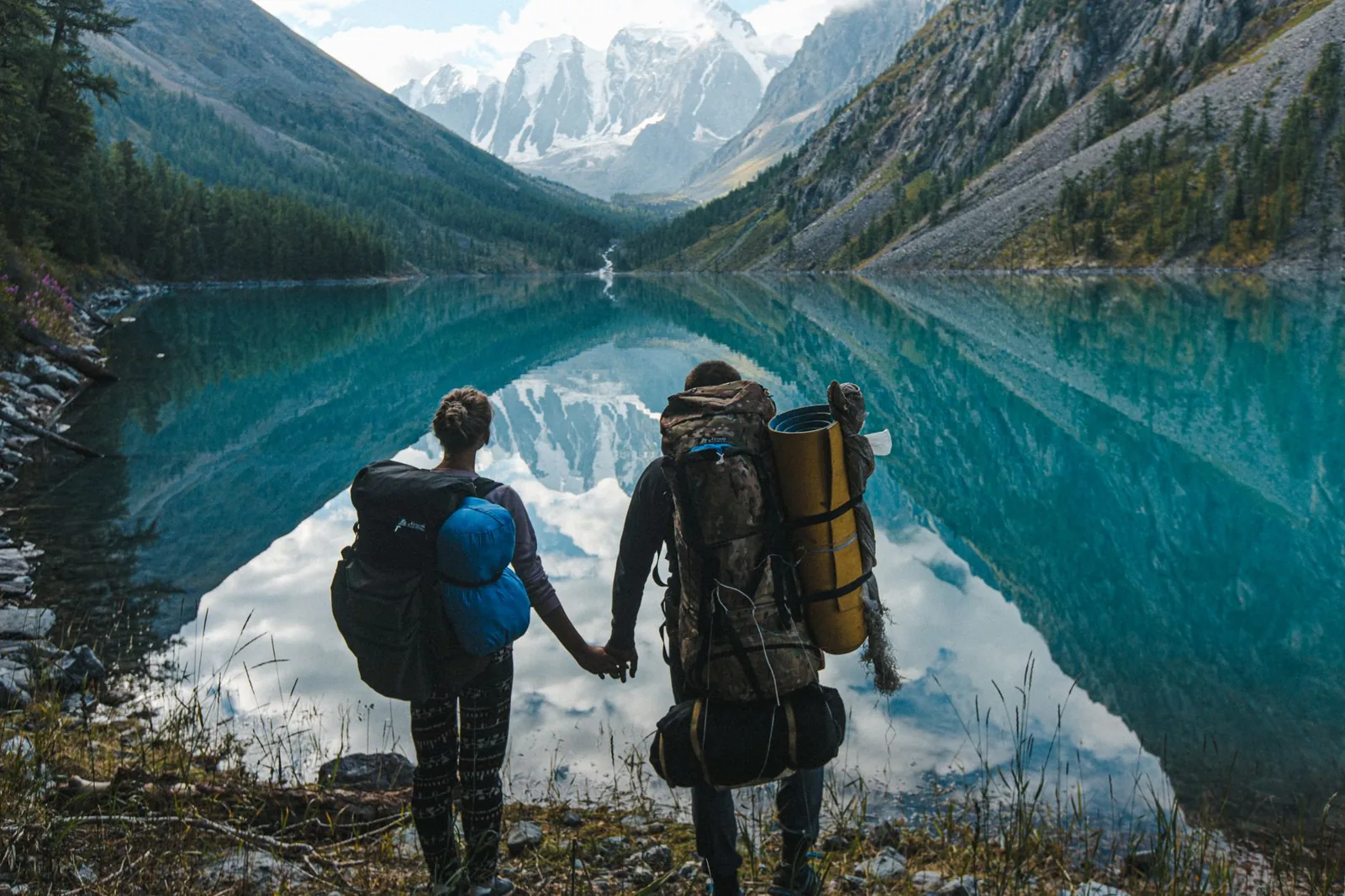
Photo by Anna Shvets via Pexels
If you are staying more than a few nights in one city, look for hostels that offer a weekly rate or a “stay four nights, get the fifth free” deal. Working a couple of nights of receptionist or bar shifts in exchange for a bed, known as work-for-stay, is common in guesthouses across Southeast Asia and in hostels worldwide. Sites like Worldpackers and Workaway formalize the arrangement and can cut your accommodation bill to zero for weeks at a time.
Food and Drink: Eating Cheap on the Road
Food is where most first-timers quietly overspend. Street food and local restaurants are not just cheaper than tourist spots; they are usually better. In Vietnam, a bowl of pho runs around $1.50–2.50, and a full day of Thai street eats rarely exceeds $8. In Western Europe, cooking in a hostel kitchen and hitting supermarkets like Lidl and Aldi is the standard way to keep meals under $15 a day.
A realistic food budget looks like this across regions:
- Southeast Asia: $5–12 a day eating street food and local cafes.
- Latin America: $8–15 a day with set lunches (menú del día) in Colombia, Peru, and Mexico.
- Western Europe: $20–35 a day mixing supermarket meals, bakery breakfasts, and the occasional sit-down dinner.
- Australia/NZ: $18–30 a day, leaning hard on hostel kitchens and pub meal deals.
Alcohol is the fastest way to blow a day’s food budget in an hour. A beer in Bangkok costs $1–2; in Paris or Sydney the same drink is $6–10. Decide early whether drinking is part of your travel experience or a rare treat, and set a weekly cap rather than tracking each drink. Bottled water also adds up in regions where the tap water is not safe to drink; a reusable bottle with a filter pays for itself within a couple of weeks in Southeast Asia.
Transportation Costs
How you get around is the second-biggest lever on your total. Slow travel costs less not just because you move less often, but because buses and locals trains cost a fraction of flights. Here is what to expect:
- Intercity buses: $10–20 between cities in Southeast Asia and Latin America; overnight buses double as a night’s accommodation.
- Regional trains: $10–30 in much of Europe when booked early; Eurail passes only make sense if you plan to ride almost daily.
- Budget flights: $30–80 in Asia and Europe on carriers such as AirAsia and Ryanair when booked 6–8 weeks out.
- Local transport: $1–3 for buses and tuk-tuks in Asia, $2–4 for metro rides in Europe, $8–15 for ride-shares in Australia.
Long-distance buses in South America, such as the ones from Cruz del Sur in Peru, are comfortable enough to sleep on and eliminate a hotel night. Booking buses and trains 2–4 weeks ahead locks in the cheapest fares on popular routes, and many countries offer regional passes that beat single tickets when you are covering a lot of ground. For a deeper look at stretching your transport money, see our guide on how to travel on a budget and our list of the cheap places to travel that make movement almost free.
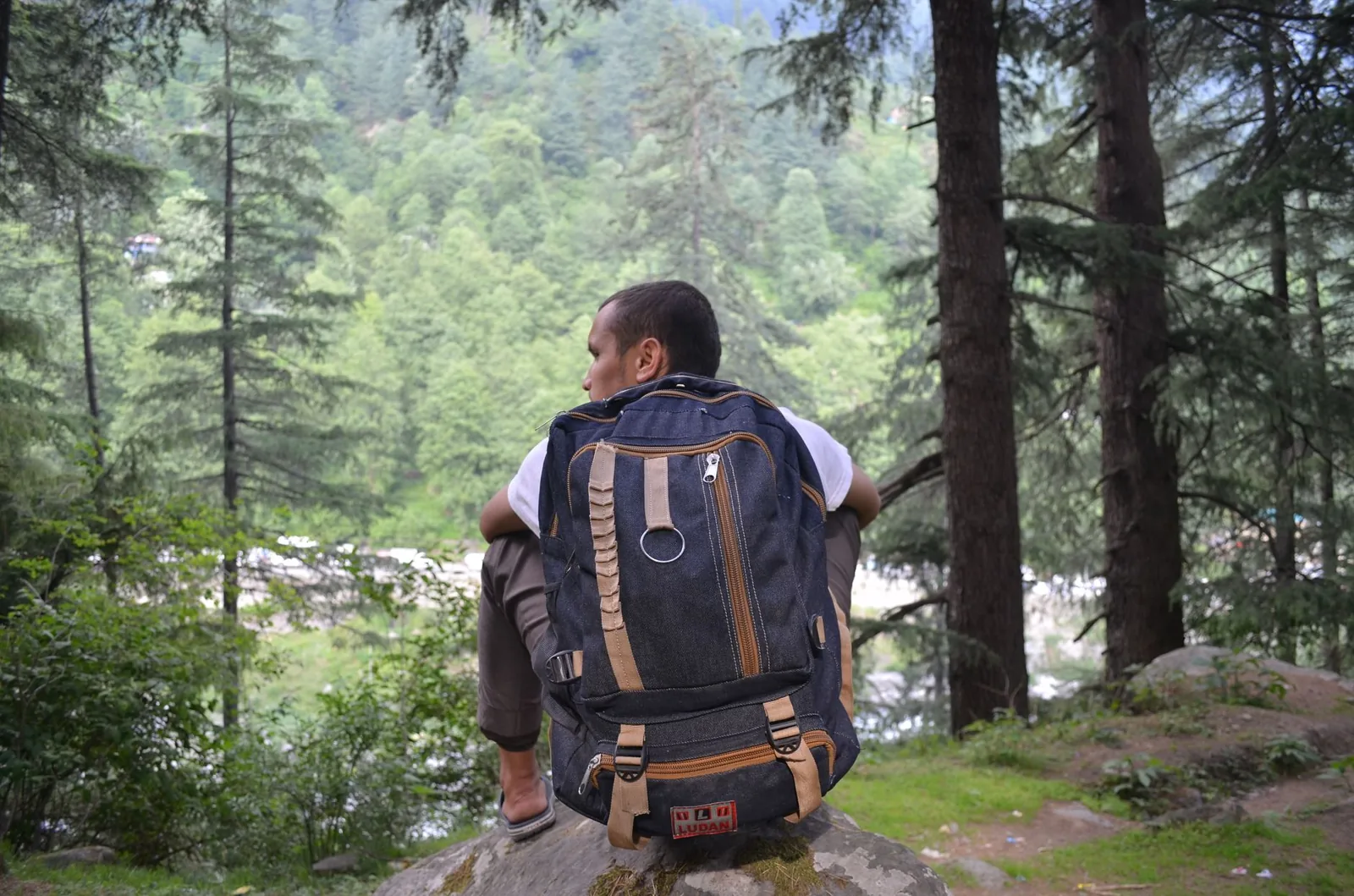
Photo by Nisheeth Chauhan via Pexels
Activities, Gear, Visas, and Insurance
The extras are where a trip’s “hidden” cost lives, and they are easy to miss when you budget only for beds and food.
Activities: Tours and entry fees vary wildly. The Inca Trail costs several hundred dollars once you factor in permits and guides; temple complexes in Southeast Asia run $3–15; free walking tours in European capitals run on tips of $5–15. Budget $5–25 a day as a working average, and price out your must-do bucket-list items before you leave rather than discovering them mid-trip.
Gear: A decent 40–55L backpack costs $150–250, and a full starter kit (pack, shoes, packable daypack, quick-dry clothing, lock, and power adapter) lands around $400–600. Rent or borrow for your first short trip before you commit to buying everything.
Visas: Most travelers underestimate this line. A Vietnam e-visa runs about $25, an Australian tourist visa around $100–150, and a UK or US entry can be more. South Americans entering some countries need reciprocity fees. Add $50–150 per trip as a starting guess, then research each border you plan to cross.
Travel insurance: Do not skip it. A backpacking-focused policy from providers such as World Nomads or SafetyWing typically costs $1.50–3 a day, or roughly $50–90 a month. That is the cheapest line item on the page relative to what it protects; one hospital visit abroad without it can erase years of savings. For the flights that anchor your route, our guide to backpacking on a budget covers how to time purchases for the cheapest fares.
How to Bring Down the Total
Most of what you spend is negotiable by habit, not by luck. The travelers who do a year abroad on $15,000 are not hunting for magic deals; they are stacking these moves every single day:
- Travel in shoulder season instead of peak summer.
- Eat street food and supermarket meals, and cook where kitchens exist.
- Ride overnight buses and trains to save a night’s accommodation.
- Book transport and hostels 2–8 weeks ahead on the routes that sell out.
- Use work-for-stay and hospitality exchanges to zero out weeks of rent.
- Cap alcohol and track every expense in a simple notes app or spreadsheet.
None of these are glamorous, but together they routinely cut a budget by 30–40%. The travelers who overspend are the ones who treat every day like a vacation; the ones who stay years treat travel like a lifestyle with a monthly number attached to it.
Frequently Asked Questions
How much money do I need to backpack for a month?
A comfortable month costs roughly $900–1,200 in Southeast Asia, $1,200–1,800 in Latin America, and $2,100–3,000 in Western Europe or Australia, excluding international flights.
How much does backpacking cost per day on average?
A global working average for a hostel, local food, transport, and a modest activity budget is $40–60 a day. The spread is wide: $30 at the cheap end in Southeast Asia and $100-plus in Western Europe and Oceania.
Is it cheaper to backpack solo or with a partner?
Solo is cheaper on beds (a dorm bed costs less than half a private room), but a pair can split private rooms and some transport. Couples typically spend about the same per person as solo travelers once room-sharing offsets dorm savings.
What are the hidden costs first-timers forget?
Visas, gear, insurance, bank and ATM fees, SIM cards, laundry, and the occasional private room on a rough night. Add 10–20% on top of your core daily budget as a buffer for these.
Do I need $10,000 to travel for a year?
Not necessarily. Many long-term backpackers spend $12,000–18,000 a year by staying in cheap regions, working for accommodation, and moving slowly. The more time you spend in Southeast Asia and South America, the further your money goes.
The Bottom Line
How much does backpacking cost? Plan on $30–40 a day in Southeast Asia, $40–65 in Latin America, and $70–110 in Western Europe, Australia, and New Zealand, then layer in flights, insurance, visas, and gear on top. A realistic one-year budget sits between $12,000 and $20,000 depending on your route and pace.
Start with the daily number for your first region, book your biggest savings first (flights and long hauls), and track everything for your first two weeks until a real average emerges. Once you know your number, the trip stops feeling like a gamble on your savings and starts feeling like a plan. For money-saving tactics that survive the road, start with our guide to how to travel the world on a budget and our breakdown of travel hacking with credit cards.